 Save
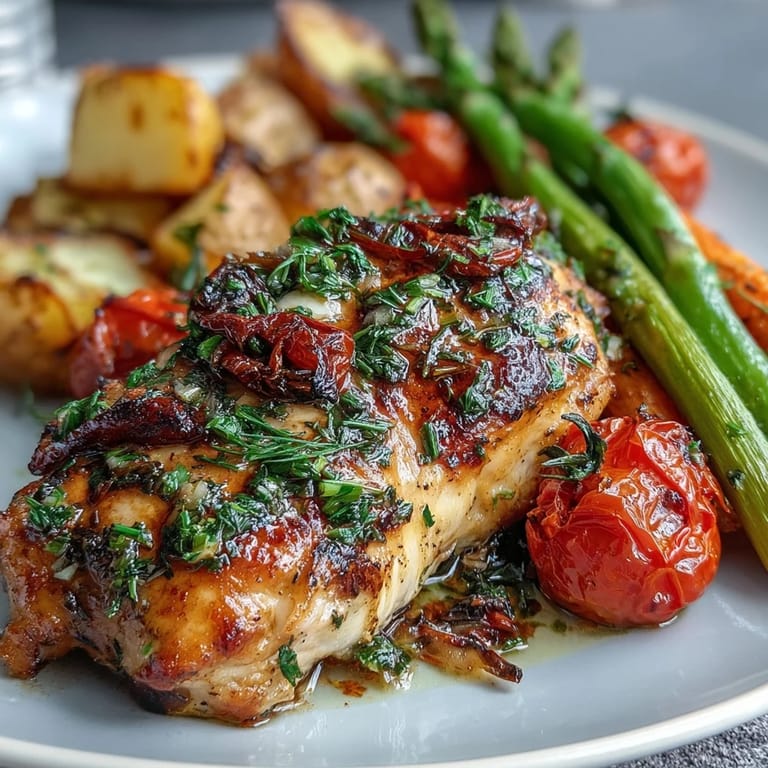
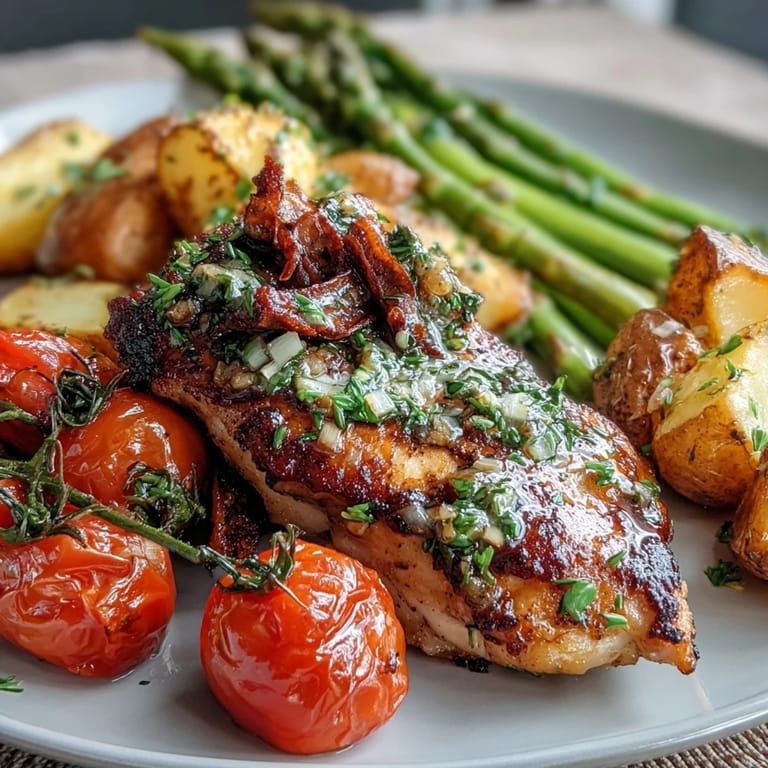
Save My neighbor stopped by on a Thursday evening asking what smelled so good, and I realized I'd been so focused on getting dinner ready that I hadn't even noticed how the lemon and garlic had filled my entire kitchen. That's when I knew this sheet pan chicken was going to become a regular rotation—it delivers restaurant-quality flavor in less time than it takes to order takeout, and cleanup is practically nonexistent. The magic is in how everything cooks together, each vegetable absorbing those bright, herbaceous juices while the chicken stays impossibly tender.
I made this for my sister during her first week back from traveling, and watching her close her eyes after that first bite—like she was mentally checking back into real life—made me understand why simple, honest food sometimes hits harder than anything fancy. She ate two servings and asked for the recipe before dessert, which is really all you need to know.
Ingredients
- Boneless, skinless chicken breasts (4, about 1.5 lbs): Look for breasts that are roughly the same thickness so they cook evenly; if some are puffy, gently pound them with the heel of your hand to even them out.
- Asparagus, trimmed and cut into 2-inch pieces (1 bunch): The tough ends snap off naturally where they want to break, so don't overthink it—just bend them until they crack.
- Cherry tomatoes, halved (1 cup): Halving them exposes more surface area for caramelization, turning them into sweet little flavor bombs by the end of roasting.
- Sugar snap peas, trimmed (1 cup): These stay bright and snappy if you don't overcrowd the pan, so give them breathing room and they'll thank you with a satisfying crunch.
- Baby carrots, halved lengthwise (1 cup): Halving them this way lets the flat side kiss the hot pan, creating a gorgeous caramelized face that tastes like concentrated carrot sweetness.
- Red onion, sliced into wedges (1 small): The sharp bite mellows during roasting and turns into something almost jammy and sweet, making it one of the best parts of the pan.
- Yellow bell pepper, sliced (1): I slice mine into thick strips so they hold their shape better and get those gorgeous charred edges.
- Olive oil (3 tbsp): This is your coating and your insurance policy against dryness; don't skimp here because good oil makes everything taste intentional.
- Fresh lemon juice (2 tbsp): Squeeze it fresh if you possibly can—bottled lemon juice tastes like sadness, but fresh juice brings brightness that actually makes a difference.
- Garlic cloves, minced (2): Mince them fine so they distribute evenly throughout the marinade and don't end up as bitter little nuggets.
- Dijon mustard (1 tsp): This adds a subtle tang that makes people ask what the secret ingredient is, even though they're standing right in front of you.
- Honey (1 tsp): Just a touch to balance the acid and add a whisper of sweetness that makes the savory flavors sing louder.
- Dried oregano (1 tsp): Dried herbs work beautifully here since the heat brings out their essential oils; if you want to use fresh, use triple the amount.
- Dried thyme (½ tsp): Thyme is forgiving and aromatic, rounding out the flavor profile without ever shouting for attention.
- Salt (½ tsp) and black pepper (¼ tsp): Taste as you go because salt levels vary wildly depending on your oil and other ingredients.
- Fresh parsley, chopped (2 tbsp): The final flourish that makes everything look intentional and adds a fresh herbaceous brightness at the very end.
- Lemon wedges (optional): People love squeezing these at the table, so include them even if just for the ritual of it.
Tired of Takeout? 🥡
Get 10 meals you can make faster than delivery arrives. Seriously.
One email. No spam. Unsubscribe anytime.
Instructions
- Set your oven and prepare your stage:
- Preheat to 425°F and line your sheet pan with parchment paper so you can actually enjoy eating instead of scrubbing burnt-on bits later. A hot oven is non-negotiable here because those 25 to 30 minutes need to be aggressive enough to get some color on everything.
- Build your golden marinade:
- Whisk together the oil, lemon juice, minced garlic, mustard, honey, oregano, thyme, salt, and pepper in a small bowl—the mixture should smell bright and herbal and make you want to drink it. This is where all your flavor lives, so give it a good 30 seconds of whisking to make sure everything is actually combined.
- Dress the chicken:
- Lay the chicken breasts on your prepared sheet pan and brush both sides generously with half of your marinade, using about a tablespoon per breast. The chicken should glisten, not swim, so you're building flavor, not poaching.
- Coat the vegetables:
- Toss all your vegetables in a large bowl with the remaining marinade until everything glistens and smells absolutely incredible. Make sure the smaller pieces get tucked under the larger vegetables so they're coated, not just piled on top.
- Arrange and roast:
- Scatter the vegetables around the chicken in a single layer—they should mostly touch the pan, not stack on top of each other—and slide everything into your hot oven. After about 25 to 30 minutes, the chicken should read 165°F at the thickest part, and the vegetables should be tender with caramelized edges.
- Rest and finish:
- Pull the pan out and let the chicken rest for 5 minutes before slicing so the juices redistribute instead of running all over the plate. Scatter the fresh parsley over everything, squeeze a lemon wedge or two over the top if you're feeling it, and serve immediately while it's still steaming.
 Save
Save There's something almost meditative about watching this come together on a weeknight, knowing you're 45 minutes away from something that feels far more complicated than it actually is. My kids, who would normally fight me on vegetables, ask for seconds of the roasted carrots now, which tells you everything you need to know.
Why This Becomes a Weeknight Staple
Once you realize you can throw everything on one pan and walk away, sheet pan dinners stop feeling like a chore and start feeling like a small victory. This particular combination works because the chicken cooks at the exact same pace as your spring vegetables—no guessing, no adjusting, no separate timers. It's the kind of meal that makes you look like you spent hours in the kitchen when really you were just smart about your setup.
Swapping and Substituting Without Losing Your Mind
Boneless thighs work beautifully here if you prefer something that's harder to overcook; they're more forgiving and honestly more flavorful, though they might need an extra 5 minutes. Summer vegetables like zucchini and yellow squash swap in easily for the spring selection, and if you're feeling adventurous, halved radishes add a peppery crunch that disappears into something almost sweet after roasting. Just remember that starchy vegetables like potatoes or root vegetables need to go on a longer timeline—think 40 to 45 minutes instead of 30—so either start them early or skip them in favor of something faster.
Taking It Beyond the Basics
Feta crumbled over the top before serving is a game-changer, adding a salty richness that makes everything feel more Mediterranean and intentional. A splash of white wine mixed into the marinade deepens the flavors without being obvious about it, and if you have fresh dill on hand, that's another lovely finishing touch that plays beautifully with lemon. This meal pairs wonderfully with something light and crisp—a Sauvignon Blanc or a dry rosé lets the vegetables shine instead of competing for attention.
- Fresh herbs like dill, basil, or chives scattered over the top at the very end add brightness that changes everything.
- A splash of balsamic vinegar drizzled over the roasted vegetables right before serving adds depth without tasting like anything but better versions of themselves.
- If you're making this for someone with dietary restrictions, it's naturally gluten-free as long as your Dijon mustard is, so always double-check your labels.
 Save
Save This recipe quietly became my answer to the question "what's for dinner?" because it delivers on flavor, nutrition, and sanity all in one go. It's the kind of meal that reminds you why cooking at home matters.