 Save
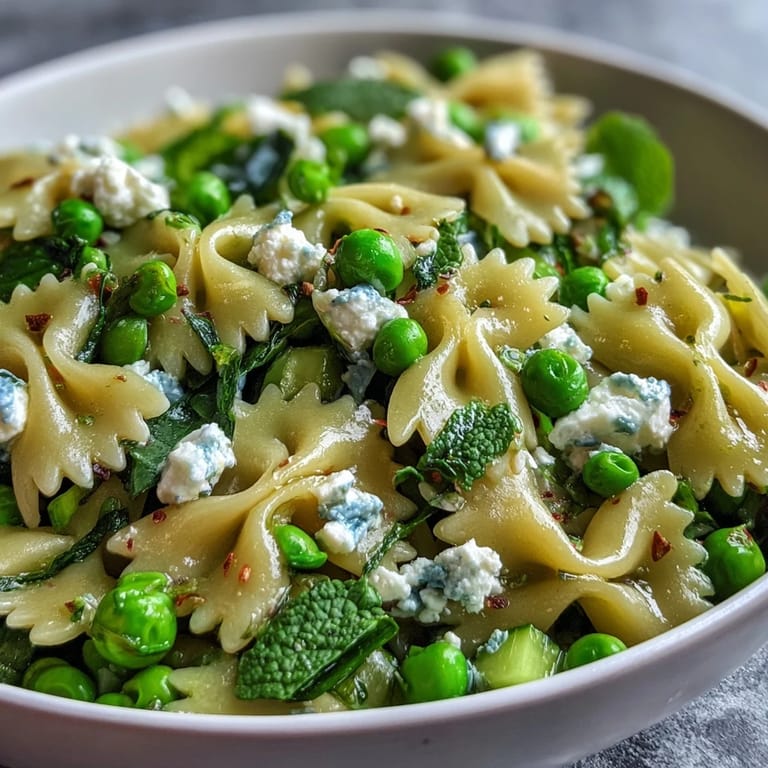
Save Last summer, my neighbor brought over a bowl of this pasta salad on a particularly sweltering afternoon, and I watched it disappear in minutes while everyone lingered on the porch. What struck me wasn't just how refreshing it was, but the way the mint seemed to wake up every single bite, making the whole thing taste like spring had decided to stay a little longer. I pestered her for the recipe, made it the next day, and discovered that the secret was in the timing—letting everything chill just long enough for the lemon to really sing through the pasta. Now I make it whenever I need to remember that not every meal has to be heavy or complicated to be memorable.
I made this for my daughter's end-of-year school potluck, and it was the only thing that came home empty—not a single pea left behind. The other parents kept asking what was in it, and I loved watching their faces when I said it was just pasta, vegetables, and a squeeze of lemon. Sometimes the simplest things feel like the most impressive.
Ingredients
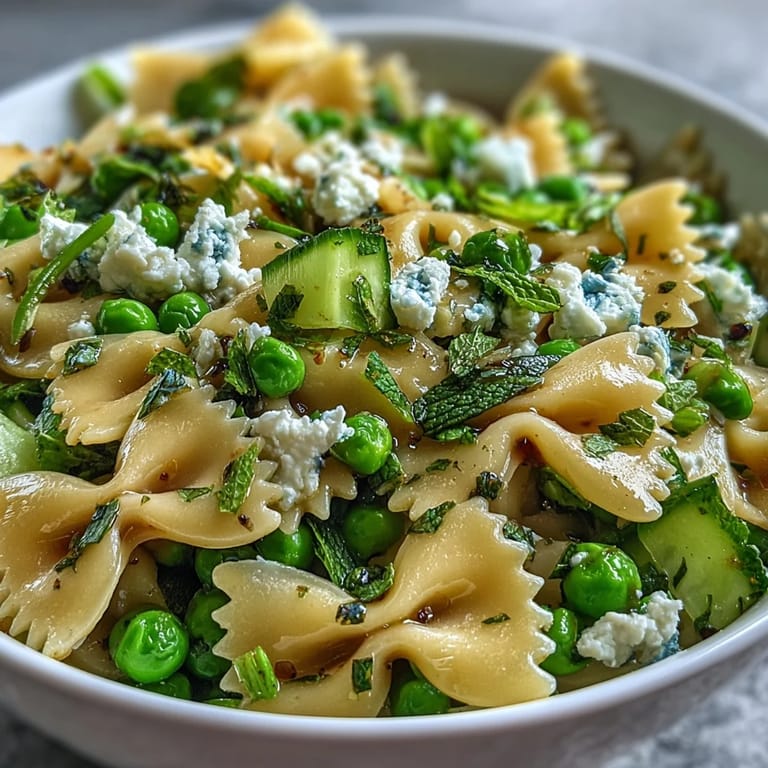
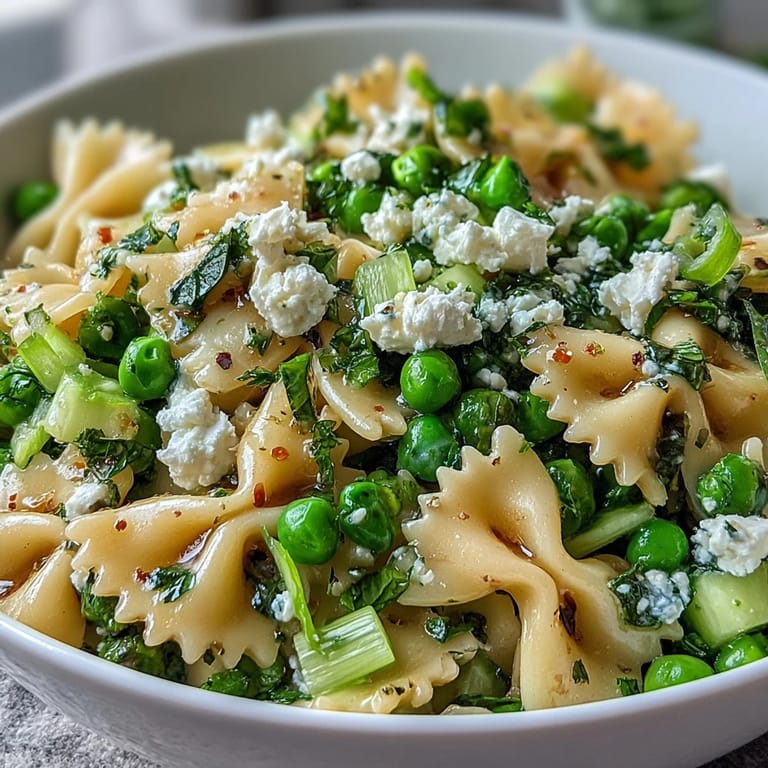
- Small pasta (farfalle, orecchiette, or penne), 250 g: The curves and ridges catch the vinaigrette beautifully, so avoid long, smooth shapes that let the dressing slide right off.
- Fresh or frozen peas, 1 cup: Frozen peas are actually perfect here—they soften in the boiling water and release their sweetness without turning mushy like older peas sometimes do.
- Cucumber, 1 small, diced: The watery crispness is essential; it's what keeps this salad from feeling heavy even in the middle of summer.
- Spring onions, 3, thinly sliced: Use both the white and green parts—the white gives bite, the green adds a whisper of freshness that shouldn't be wasted.
- Fresh mint leaves, 1/3 cup, chopped: Tear it by hand rather than chopping with a knife; bruising releases the oils and makes the flavor punch through more clearly.
- Fresh flat-leaf parsley, 1/4 cup, chopped: This acts as the supporting player that keeps mint from overwhelming everything—it's the balance nobody notices until it's missing.
- Feta cheese, 50 g, crumbled (optional): If you use it, add it at the very end so the salty edges stay distinct rather than melting into everything.
- Lemon, 1, zested and juiced: Zest first, then juice—you'll get more zest this way, and the oils in the zest are where the actual lemon character lives.
- Extra-virgin olive oil, 3 tbsp: Don't skimp here; the oil is the vehicle that carries all the lemon flavor through the salad, so quality matters.
- Dijon mustard, 1 tsp: It acts as an emulsifier and adds a subtle sharpness that stops the vinaigrette from tasting one-note.
- Honey or maple syrup, 1 tsp: A tiny touch of sweetness rounds out the lemon's intensity without making the salad taste like dessert.
- Garlic clove, 1 small, finely minced: Mince it as fine as you possibly can so it distributes evenly and doesn't create sharp, raw garlic pockets in the bowl.
- Salt and freshly ground black pepper: Taste as you go; the pasta is likely already salted, so you might need less than you think.
Tired of Takeout? 🥡
Get 10 meals you can make faster than delivery arrives. Seriously.
One email. No spam. Unsubscribe anytime.
Instructions
- Boil the pasta and peas together:
- Bring salted water to a rolling boil, add the pasta, and follow the package timing. During the last two minutes, scatter in the peas and listen for the water to return to a boil. Once the pasta tastes just shy of tender and the peas have turned a brighter green, drain everything into a colander and run cold water over it—this stops the cooking immediately and keeps the pasta from turning soft.
- Combine the vegetables and herbs:
- In a large bowl, toss together the cooled pasta, peas, diced cucumber, sliced spring onions, torn mint, and chopped parsley. The vegetables should be scattered throughout, not clumped together, so the flavors mingle as you eat.
- Make the lemon vinaigrette:
- In a small bowl or jar, combine the lemon zest, fresh lemon juice, olive oil, Dijon mustard, honey, and minced garlic. Whisk or shake vigorously for about 20 seconds until the mixture turns slightly cloudy and emulsified—you want the oil and lemon juice to bond, not separate. Taste and season with salt and pepper, remembering that the feta (if using) will add saltiness.
- Dress the salad:
- Pour the vinaigrette over the pasta mixture and toss gently but thoroughly, using a large spoon and fork to lift and turn everything so every piece gets coated. Don't be timid here—the more you toss, the more evenly the dressing distributes.
- Add the feta, if using:
- Scatter the crumbled feta over the top and fold it in lightly, just once or twice, so the cheese stays in distinct, salty pockets rather than dissolving into everything.
- Chill and adjust before serving:
- Cover the bowl and refrigerate for at least 15 to 30 minutes—this rest time allows the pasta to drink in the lemon vinaigrette and the flavors to settle into something cohesive. Before serving, give it a stir, taste it again, and adjust the salt, pepper, or lemon juice if needed.
 Save
Save I once made this salad for a friend who'd been going through a difficult month, and she sat on my kitchen counter eating straight from the bowl while telling me what was on her mind. Something about the freshness and simplicity made conversation easier, like the lightness of the food gave her room to think. It reminded me that sometimes feeding someone means giving them a moment to breathe.
When to Make This
This salad is born for warm weather—spring lunches, summer picnics, or those evenings when turning on the oven feels like a crime. It's equally at home on a picnic blanket as it is on your kitchen table during a sudden thunderstorm when you need something that feels like a reset. The beauty is that it doesn't demand heat or complicated timing, so you can make it even when your kitchen feels too warm to function.
Making It Your Own
This salad is wonderfully flexible without losing its character. I've added grilled chicken on nights when we needed more protein, and I've swapped the peas for snap peas or edamame depending on what the season offered. The core of lemon, mint, and fresh herbs stays the same—that's what makes it taste like itself—but everything else can bend to what you have or what you're craving.
Storage and Leftovers
This salad keeps beautifully in the refrigerator for up to two days, which makes it perfect for batch cooking or bringing lunch to work. The pasta continues to absorb the vinaigrette, actually becoming more flavorful on day two, though the cucumber softens slightly and the mint loses a touch of brightness. If you're storing it, keep the feta separate and add it fresh each time you eat, so the cheese stays crumbly and distinct rather than melting into the mix.
- For meal prep, you can assemble everything except the mint and feta, then add those fresh when you're ready to eat.
- If the salad seems dry when you pull it from the fridge, don't panic—just whisk together a little more lemon juice and olive oil and toss it in.
- This salad forgives neglect; unlike something with delicate greens, it actually improves with a little time and doesn't wilt or collapse.
 Save
Save This pasta salad taught me that sometimes the most nourishing meals are the ones that ask the least of you. It's proof that simplicity, when done with attention and good ingredients, is its own kind of generosity.
Recipe FAQs
- → Can I use frozen peas in this dish?
Yes, frozen peas work well and can be added during the last minutes of pasta cooking to retain a tender texture.
- → What pasta shapes work best here?
Small pasta shapes like farfalle, orecchiette, or penne hold the vinaigrette and other ingredients nicely.
- → How can I make this suitable for a vegan diet?
Simply omit the feta or substitute it with plant-based cheese alternatives.
- → Is it better served immediately or chilled?
Chilling for 15–30 minutes enhances flavors and provides a cool, refreshing taste.
- → What variations can I try with the vegetables?
Try swapping peas for snap peas or edamame, and consider adding grilled chicken or chickpeas for protein.
- → How do I store leftovers?
Store in an airtight container in the fridge for up to two days to maintain freshness.