 Save
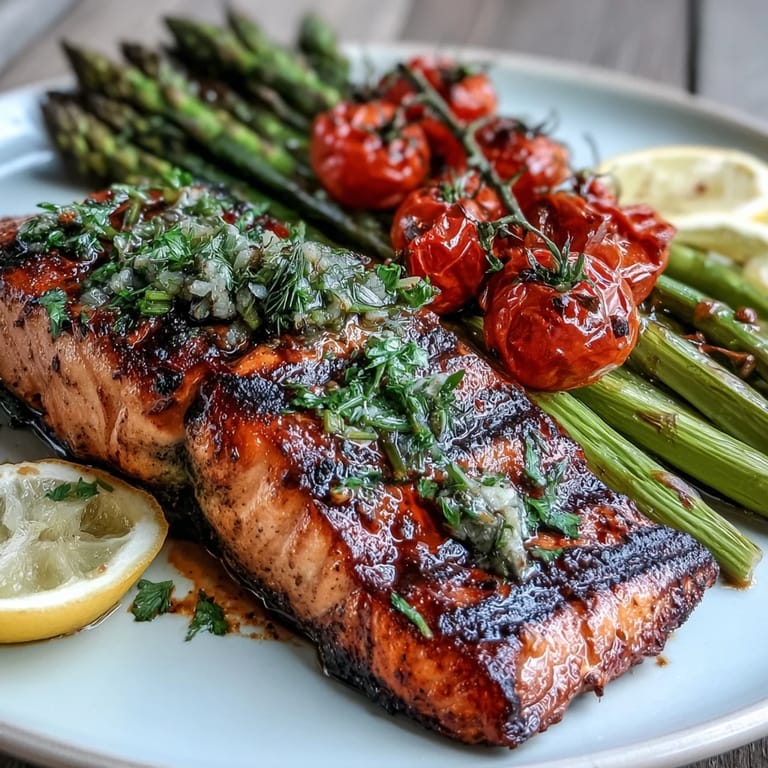
Save Last summer, my neighbor knocked on the fence with a bag of fresh dill from her garden, and I suddenly had to figure out what to do with it before it wilted. I'd been craving something bright and uncomplicated, so I grabbed a salmon fillet from the freezer and threw together this marinade on instinct, more out of necessity than planning. The smell alone—lemon, herbs, and that clean garlic—made me realize I'd stumbled onto something worth repeating. Now it's become my go-to when I want to impress people without fussing, or when I need dinner ready before the sun sets.
I made this for my sister's birthday picnic, and what started as a casual summer dinner became the meal everyone asked for the recipe of. Watching people's faces light up when they bit into the salmon—that perfect flake, the brightness of the lemon cutting through the richness—reminded me why simple food done well sticks with people longer than anything complicated ever could.
Ingredients
- Salmon fillets (150 g each, skin-on preferred): Skin-on keeps the flesh from sticking to the grill and adds crispy texture; look for fillets that are firm to touch and smell fresh like the ocean.
- Extra virgin olive oil: The quality here matters because it's the base of your marinade and carries the other flavors; use something you'd actually taste on bread.
- Fresh lemon juice and zest: Don't skip the zest—it holds more fragrant oils than the juice alone and brightens every bite.
- Garlic, parsley, dill, and thyme: Fresh herbs are non-negotiable; dried thyme works in a pinch, but fresh makes the difference between good and memorable.
- Sea salt and black pepper: Season generously because the grill's heat intensifies flavors, and underseasoning is the most common mistake home cooks make.
- Asparagus (woody ends trimmed): Bend each spear until it naturally snaps—that's where the tender part begins, and there's no reason to cook the tough ends.
- Cherry tomatoes (halved): Halving them exposes more surface to the grill's heat, so they burst and caramelize instead of just softening.
Tired of Takeout? 🥡
Get 10 meals you can make faster than delivery arrives. Seriously.
One email. No spam. Unsubscribe anytime.
Instructions
- Make the marinade:
- Whisk together olive oil, lemon juice, zest, minced garlic, and all the herbs in a small bowl until everything is evenly combined. The garlic should be finely minced so it distributes throughout the oil rather than settling to the bottom.
- Marinate the salmon:
- Pat your salmon fillets completely dry with paper towels—this helps the marinade cling and ensures better browning on the grill. Place them in a shallow dish, pour the marinade over, and let them sit for 10 to 15 minutes at room temperature while you prep the vegetables; don't over-marinate or the acid will start cooking the fish before heat does.
- Prep the vegetables:
- Toss your trimmed asparagus and halved cherry tomatoes with a tablespoon of olive oil, salt, and pepper in a bowl, making sure every piece gets coated. This light coating is what turns them into something golden and delicious rather than just warm.
- Get the grill ready:
- Heat your grill or grill pan to medium-high heat for about 5 minutes until it's hot enough that a drop of water sizzles on contact. A hot grill is what gives you those gorgeous grill marks and helps the fish cook evenly.
- Grill the vegetables first:
- Place your asparagus and tomatoes directly on the grill grates or in a grill basket if you're worried about them falling through. Turn them once about halfway through, cooking for 5 to 7 minutes total until the asparagus is tender-crisp and the tomatoes have blistered and begun to collapse.
- Grill the salmon:
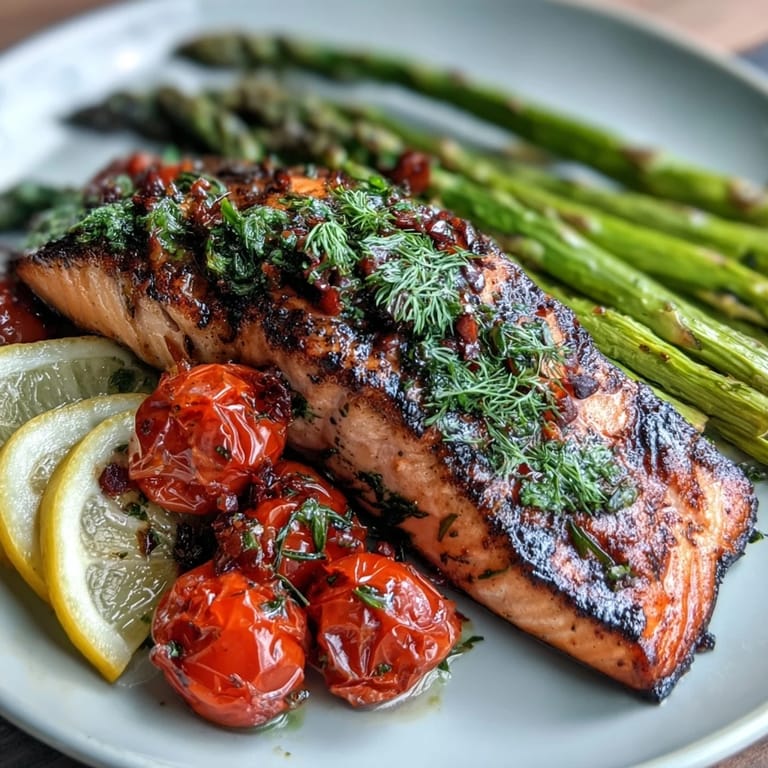
- Once the vegetables are done, push them to the cooler edges of the grill and lay your salmon fillets skin-side down on the hottest part. Leave them alone for 3 to 4 minutes—resist the urge to poke or move them—then flip gently and cook the other side for another 2 to 3 minutes depending on thickness; the fish is done when it's opaque and flakes gently with a fork.
- Plate and finish:
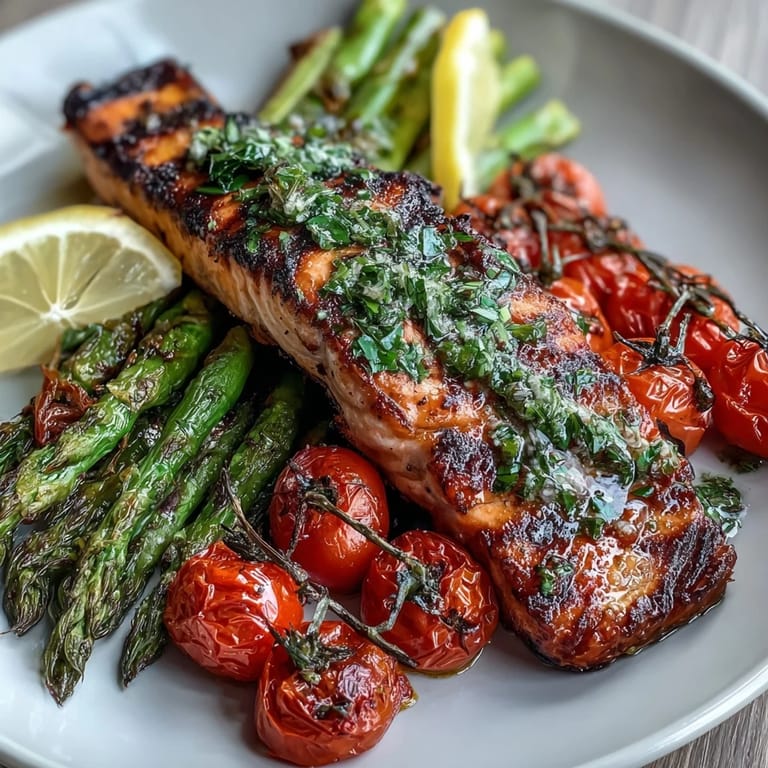
- Transfer everything to a plate while it's still hot, drizzle any remaining marinade over the top if you'd like, and garnish with fresh herbs and lemon wedges. The whole dish comes together in moments once everything hits the grill.
 Save
Save There's a moment when you flip the salmon and see that golden-brown skin, when the smell of lemon and herbs mingles with charred asparagus smoke, that you realize dinner isn't just about feeding people—it's about those small rituals that make an ordinary evening feel worth slowing down for.
Why This Works as a Summer Staple
This dish hits every note a summer meal should: it's light enough that you don't feel weighed down, flavorful enough to be exciting, and fast enough that you're not stuck inside cooking while the weather begs for attention. The combination of salmon's richness with asparagus's slight earthiness and tomatoes' brightness creates a plate that feels balanced and complete without needing bread or grains. Everything cooks on the same surface, which means minimal cleanup and maximum time actually enjoying your dinner.
Building Flavor in a Short Marinade
Salmon is forgiving enough that it doesn't need hours to absorb flavor the way chicken or beef might; 10 to 15 minutes is plenty of time for the herbs and lemon to do their job. What matters is that every component of the marinade pulls its weight—the acid from the lemon brightens and tenderizes, the oil carries the flavors and helps them cling to the fish, and the fresh herbs add personality and complexity. This is why using the best quality olive oil and truly fresh herbs makes such a noticeable difference; there's nowhere for mediocre ingredients to hide in a recipe this simple.
Grilling Tips That Actually Change the Outcome
The secret to grilled salmon that doesn't stick or fall apart is temperature control and patience—preheat your grill properly so the grates are hot enough to sear the skin instantly, and don't move the fish around obsessively. For vegetables, halving the cherry tomatoes and trimming asparagus woody ends means they cook evenly and pick up grill flavor instead of just getting soft. If you don't have a grill, an oven at 220°C (425°F) for 12 to 15 minutes produces nearly identical results with less drama.
- Oil the grill grates, not the fish: This prevents sticking better than oiling the salmon, which just slides around instead of searing.
- Flip only once: Every flip drops the temperature and interrupts the sear, so flip the salmon only once per side.
- Cook vegetables on a cooler zone: Grill tomatoes and asparagus on a slightly cooler part of the grill so they develop flavor without burning while salmon takes the hottest spot.
 Save
Save This is the kind of dinner that proves simple food tastes best—no fussing required, just good ingredients and the confidence to let them speak for themselves. Make it once and it'll become your go-to for weeknight sanity and weekend entertaining alike.
Recipe FAQs
- → How long should the salmon marinate?
Marinate the salmon for 10–15 minutes at room temperature to allow the flavors to infuse without overpowering the fish.
- → What grilling temperature is best for this dish?
A medium-high heat works best to ensure the salmon cooks evenly and the vegetables develop a nice char without burning.
- → Can I use other fish types instead of salmon?
Yes, trout or steelhead can be substituted and will deliver similarly flavorful results on the grill.
- → How do I know when the salmon is cooked?
Cook salmon until it is just opaque and flakes easily with a fork, typically 3–5 minutes per side depending on thickness.
- → What side dishes pair well with grilled salmon and vegetables?
Light sides like mixed greens, quinoa, or a chilled glass of Sauvignon Blanc complement the meal perfectly.