 Save
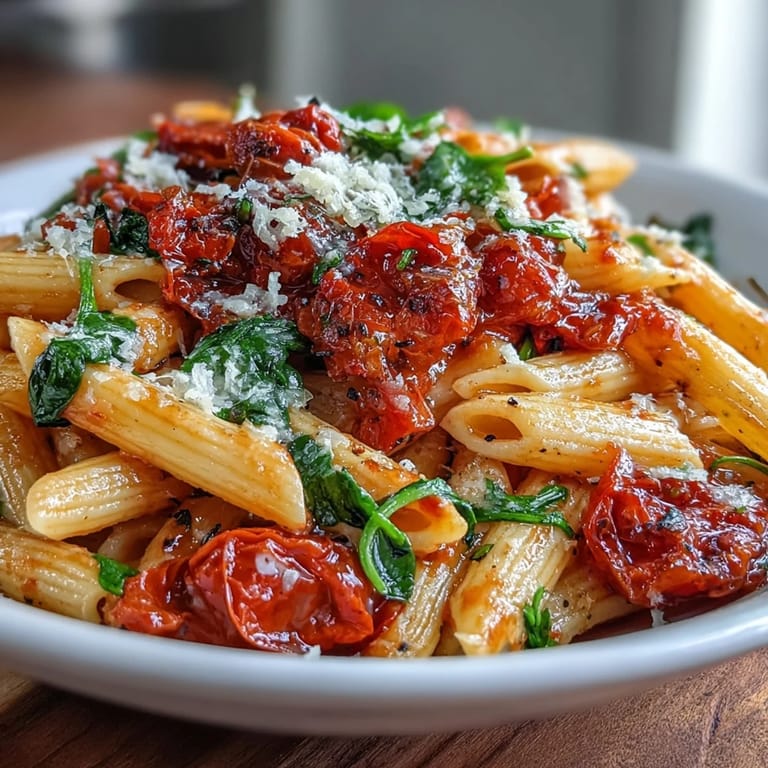
Save My neighbor knocked on the door one Tuesday evening asking if I had anything to eat, and I had maybe three vegetables, a box of pasta, and broth in my pantry. Twenty minutes later, we were twirling penne on forks over steaming bowls, and she asked for the recipe before she left. That's when I realized this wasn't just a meal thrown together from desperation—it was actually the opposite, a dish so satisfying and simple that it deserved a proper place in my rotation.
I made this on a Friday when I was too tired to think about multiple pans, and my partner came downstairs asking what smelled so inviting. By the time I ladled it into bowls, they were already setting the table without being asked—that's how you know a dish has staying power.
Ingredients
- 350 g dried penne or fusilli: Penne's ridges catch the sauce beautifully, but honestly any short pasta works fine and costs about the same.
- 1 medium onion, finely chopped: This builds the flavor base, so take a minute to chop it small rather than in chunks.
- 2 garlic cloves, minced: Fresh garlic makes a real difference here, even though it's just two cloves—don't skip this or use powder.
- 1 medium zucchini, diced: Zucchini softens quickly and adds body without any fuss or expense.
- 1 red bell pepper, diced: The color matters as much as the flavor, making the dish look like you actually planned it.
- 400 g canned diced tomatoes with juices: Those juices are your liquid gold, so pour everything in including what's clinging to the sides of the can.
- 100 g baby spinach: It wilts down to almost nothing, so don't be shy with the handful—the fresher it is, the better.
- 700 ml vegetable broth: This is your cooking medium, so use proper broth rather than water to keep flavors honest.
- 60 g grated Parmesan cheese, plus extra: Buy the block and grate it yourself if your budget allows; pre-grated tastes like sawdust by comparison.
- 2 tbsp olive oil: Good enough olive oil matters in a simple dish like this where nothing masks its taste.
- 1 tsp dried Italian herbs: A blend works better than single herbs here, giving you that Mediterranean whisper.
- ½ tsp chili flakes optional: These add a gentle heat that makes you feel fancy without overheating the dish.
- Salt and black pepper to taste: Taste as you go because seasoning adjustments happen at the end when you can actually gauge what the dish needs.
Tired of Takeout? 🥡
Get 10 meals you can make faster than delivery arrives. Seriously.
One email. No spam. Unsubscribe anytime.
Instructions
- Warm your pot and build the base:
- Pour olive oil into your large pot and let it heat over medium until it shimmers, then add the chopped onion and garlic. Listen for the gentle sizzle as they hit the pan, and you'll smell when they're ready—about two or three minutes of stirring.
- Add your vegetables and let them soften:
- Stir in the diced zucchini and bell pepper, cooking them for another couple of minutes until they begin to release their moisture and soften slightly. The peppers will start to smell sweet and mellow.
- Pour in everything at once:
- Add the uncooked pasta directly into the pot along with the canned tomatoes and all their juice, then pour in the vegetable broth. Sprinkle your dried herbs, chili flakes if you're using them, and a generous pinch of both salt and pepper.
- Bring it to a boil and simmer gently:
- Stir everything together so the pasta isn't clumped on the bottom, then let it come to a rolling boil before turning the heat down to a simmer. Cover the pot and let it bubble quietly for ten to twelve minutes, stirring occasionally so the pasta cooks evenly and doesn't stick.
- Finish with spinach and cheese:
- Once the pasta is tender and most of the liquid has been absorbed into it, remove the lid and stir in the baby spinach along with the grated Parmesan. Within a minute the spinach will collapse into the warm pasta and the cheese will melt into everything.
- Taste and serve:
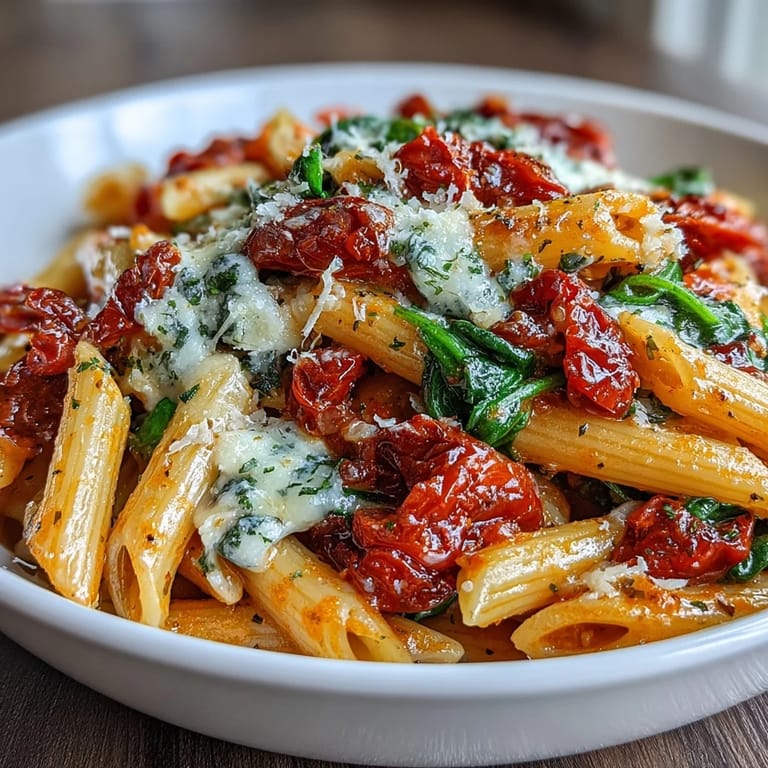
- Before plating, taste a spoonful and adjust the salt, pepper, or a pinch of chili if needed. Ladle into bowls and finish with a small handful of extra Parmesan on top.
 Save
Save What stuck with me most was realizing this dish proved that comfort food doesn't need a long ingredient list or complicated timing—just good ingredients treated with respect and attention. My neighbor actually comes by on busy weeks now asking if I'm making it, which tells you everything about how this simple pot of pasta became something people actually crave.
Why This Works as a Weeknight Dinner
Most pasta dishes require you to babysit a separate sauce while water boils and pasta cooks, but this method collapses all that into one moment. Everything cooks together, which means the pasta actually absorbs the flavors instead of just getting coated on top, and you spend maybe five minutes of active cooking time before you can step away.
Making It Your Own
The vegetables here are just suggestions—I've made this with mushrooms when zucchini looked sad at the market, and once I threw in some diced carrots because they were taking up space in my crisper drawer. The pasta also doesn't care what shape you use, though shorter shapes do seem to trap the sauce better than long thin ones.
Storage and Leftovers
This dish keeps beautifully in the refrigerator for three days, and you can reheat it gently on the stovetop with a splash of broth to loosen it back up if it's thickened. Some people freeze it, though I find it tastes fresher eaten within a couple of days.
- Leftovers are perfect cold the next day straight from the fridge if you're in a rush.
- Add a protein like rotisserie chicken or white beans if you want to make it more substantial for another meal.
- Any extra Parmesan can be grated over the top when you reheat, giving you a small luxury on a second serving.
 Save
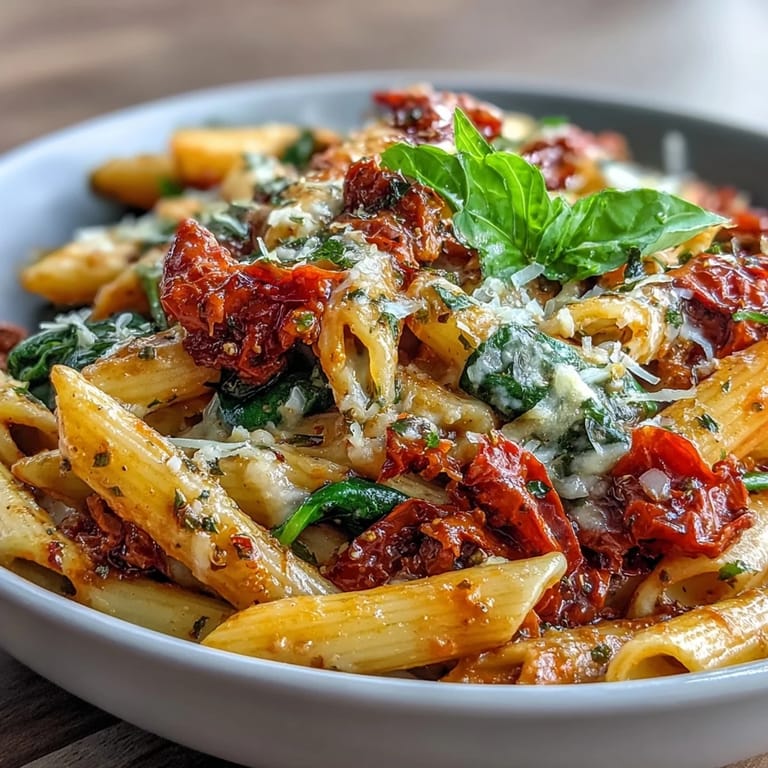
Save This one-pot pasta has become my answer to the question of what to make when I want something that feels homemade without the stress. It's proof that the best recipes aren't the ones with the longest ingredient lists, but the ones that fit into your actual life.
Recipe FAQs
- → What type of pasta works best for this dish?
Dried penne or fusilli are ideal due to their shape and texture which hold flavors well and cook evenly in one pot.
- → Can I use fresh tomatoes instead of canned diced tomatoes?
Yes, fresh diced tomatoes can be substituted but may require longer cooking to achieve similar juiciness and flavor.
- → How do I make this dish suitable for a gluten-free diet?
Use gluten-free pasta varieties and ensure your vegetable broth is gluten-free to maintain flavor and safety.
- → What are good protein options to add?
Cooked sausage, shredded chicken, or canned beans provide excellent protein boosts and complement the vegetable base.
- → How do I avoid overcooking the pasta?
Simmer covered for 10–12 minutes, stirring occasionally and checking for al dente texture before finishing with spinach and cheese.
- → Can I prepare this dish vegan?
Replace Parmesan with a plant-based alternative or omit it altogether and ensure broth is vegetable-based for a vegan-friendly meal.