 Save
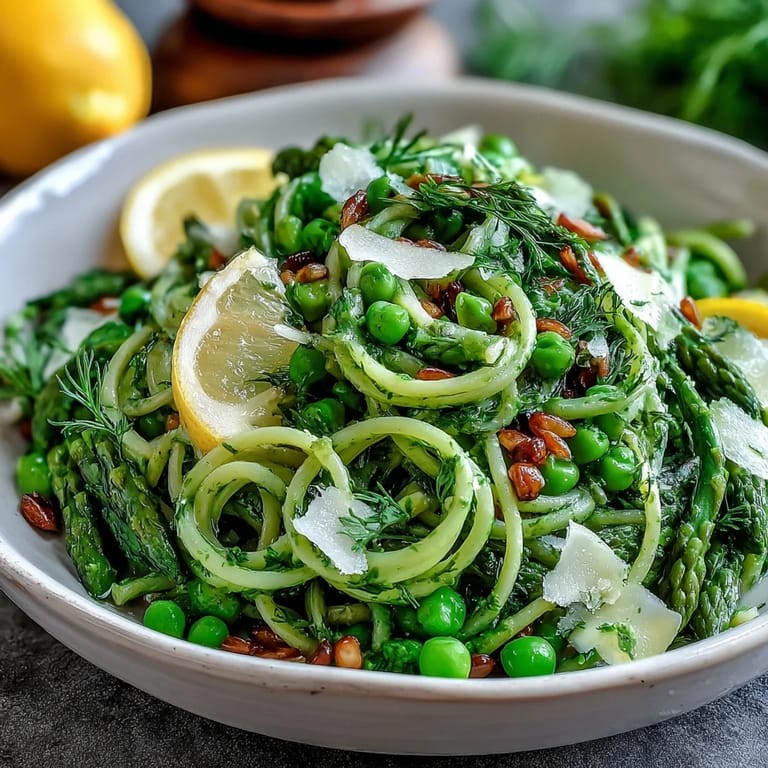
Save One March afternoon, I stood at the farmers market holding a bunch of the first asparagus of the season, and the vendor mentioned shaving it raw instead of roasting it. I was skeptical until I tried it that evening—the delicate ribbons practically melted on my tongue, sweet and tender in a way I'd never experienced. That simple suggestion turned into this salad, which has since become my go-to whenever spring finally arrives and I need something that tastes like hope.
I made this for a potluck at work where everyone brought something heavy and mayo-laden, and watching people's faces light up when they tasted how bright and alive it was—that was worth more than any compliment. One colleague came back for seconds and asked if I used some fancy technique, and I loved telling her it was just a vegetable peeler and good lemon juice.
Ingredients
- Fresh asparagus (about 300 g): Choose thin to medium spears with tight tips, as thicker ones can be woody even after trimming—feel them gently at the farmers market if you can.
- Fresh or thawed frozen green peas (1 cup): Frozen peas are honestly just as good here and save you the effort of shelling, plus they're picked at peak ripeness.
- Baby arugula or mixed spring greens (2 cups): The peppery bite of arugula is ideal, but tender lettuces work too—whatever looks brightest at your market.
- Radishes (2): These add a crisp, slightly peppery crunch that balances the sweetness of the peas beautifully.
- Shaved Parmesan cheese (1/4 cup): A vegetable peeler works perfectly here, creating delicate curls that melt slightly into the warm salad.
- Toasted pine nuts or slivered almonds (1/4 cup): Toast them yourself in a dry pan for about three minutes—the difference in flavor between raw and toasted is honestly life-changing.
- Extra-virgin olive oil (3 tbsp): Don't cheap out here; this is where good oil makes a noticeable difference in the final taste.
- Freshly squeezed lemon juice (2 tbsp): Bottled juice will work, but fresh lemons give you that bright, alive quality that makes this salad special.
- Lemon zest (1 tsp): This tiny amount carries surprising flavor—use a microplane if you have one for the finest texture.
- Honey or maple syrup (1 tsp): Just a touch rounds out the dressing so it's not one-note acidic.
- Dijon mustard (1 tsp): This acts as an emulsifier, helping the oil and lemon juice stay together instead of separating.
- Sea salt and freshly ground black pepper (1/2 tsp and 1/4 tsp): Grind the pepper fresh—pre-ground loses its punch faster than you'd think.
Tired of Takeout? 🥡
Get 10 meals you can make faster than delivery arrives. Seriously.
One email. No spam. Unsubscribe anytime.
Instructions
- Shave the asparagus into ribbons:
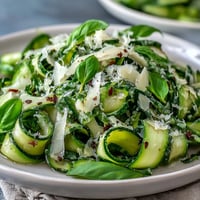
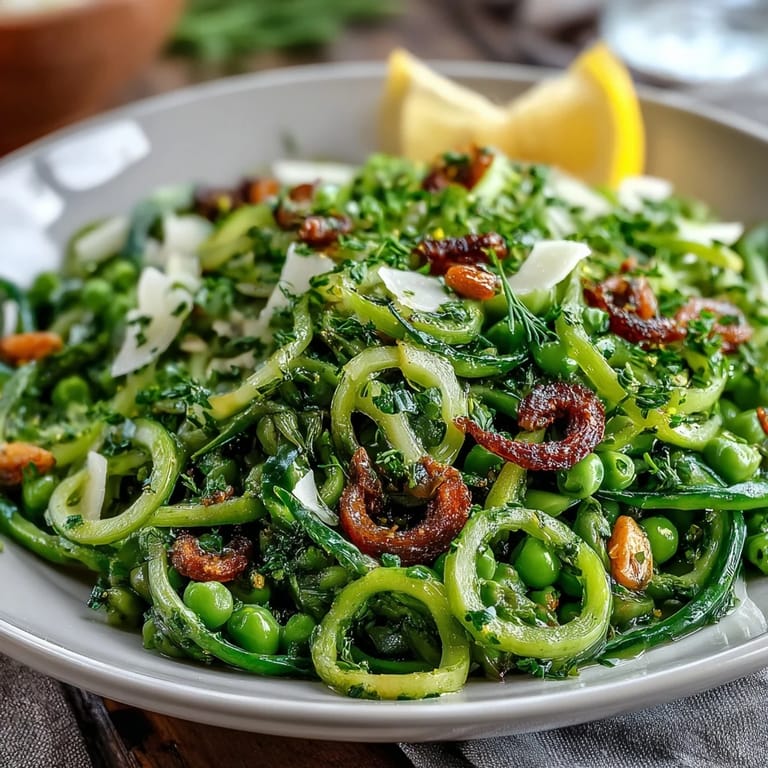
- Hold each spear firmly on a cutting board and draw a vegetable peeler lengthwise down the stalk, rotating as you go until you reach the tender tip. The ribbons should look delicate and almost translucent, and the whole process is oddly meditative once you find your rhythm.
- Build your salad base:
- Pile the asparagus ribbons into your large bowl, then scatter in the peas, greens, and radish slices—don't stress about arrangement, this isn't that kind of salad. At this point everything just looks like spring in a bowl.
- Make the dressing:
- Pour the olive oil, lemon juice, zest, honey, mustard, salt, and pepper into a small jar or bowl and whisk or shake vigorously until it looks slightly creamy and emulsified. Taste it on a leaf of something and adjust the salt or lemon to your preference—this is your chance to make it exactly right for you.
- Dress and toss:
- Drizzle the dressing over everything and toss gently with your hands or two forks, being careful not to bruise the delicate asparagus ribbons. A few turns is enough; you're not trying to wilt anything, just coat it lightly.
- Top and serve:
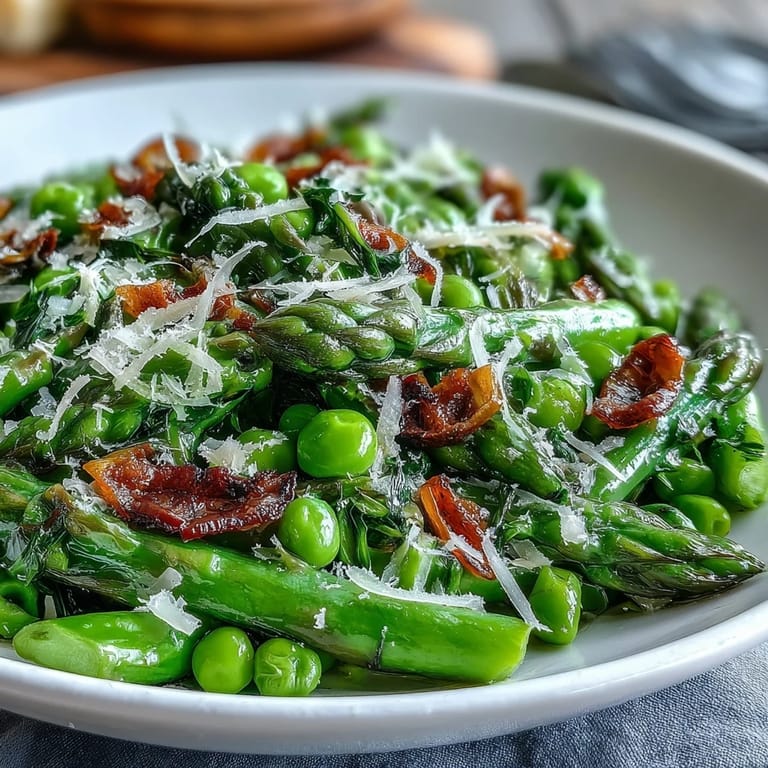
- Scatter the Parmesan shavings and toasted nuts over the top, giving it one last gentle toss or leaving them scattered—whatever looks prettier to you. Serve immediately while everything is crisp and the flavors are singing.
 Save
Save My grandmother tasted this once and said it reminded her of eating in Nice, of that particular moment when you realize food doesn't have to be complicated to be memorable. I think about that every time I make it now.
When to Serve This Salad
This is a salad that belongs on spring tables, the kind you make when you finally believe winter is over. It's light enough for lunch on its own, substantial enough to serve four people as a side, and elegant enough to bring to someone else's table without second-guessing yourself. The brightness works alongside grilled fish or chicken if you want something heartier, or you can pair it with a crusty bread and call dinner done.
Flavor Variations Worth Trying
Once you've made this version a few times and it feels like muscle memory, start playing around. Sugar snap peas add a different kind of sweetness and crunch, while blanched fava beans bring an earthiness that's lovely in late spring. Fresh herbs change everything—try mint if you want it summery, basil if you're thinking Italian, or tarragon if you want something unexpectedly sophisticated.
Making It Work for Different Diets
This salad is naturally vegetarian and gluten-free, but it's also endlessly customizable for anyone with allergies or preferences. Omit the Parmesan for vegan diets or swap it for a plant-based version that you actually enjoy eating, not just tolerate. For nut allergies, skip the pine nuts entirely or substitute roasted chickpeas for similar crunch and heartiness—the salad loses nothing in translation.
- Make the dressing vegan by using maple syrup instead of honey, which tastes equally delicious.
- Double-check that your Dijon mustard is gluten-free if that matters for your table, though most brands are.
- Toast your own nuts or chickpeas ahead of time so assembly becomes truly effortless.
 Save
Save This is the kind of salad that makes you feel good about what you're eating, and better yet, it tastes like something you actually want to eat. Make it once and you'll be making it every spring, probably for the rest of your life.
Recipe FAQs
- → How do I shave asparagus properly?
Use a vegetable peeler to create thin ribbons by peeling lengthwise along the asparagus stalks, avoiding the woody ends for tender texture.
- → Can frozen peas be used in this salad?
Yes, thaw frozen peas before combining to maintain their sweetness and texture without cooking.
- → What are good alternatives to Parmesan cheese here?
Try pecorino for a similar sharpness or use plant-based cheese for a dairy-free option.
- → How can I make the dressing without honey?
Maple syrup or agave nectar can substitute honey, providing natural sweetness to balance the lemon and mustard.
- → What nuts work best for toasting in this salad?
Pine nuts or slivered almonds toast well, adding a crunchy, nutty element that complements the fresh vegetables.
- → Is this salad suitable for gluten-free diets?
Yes, all ingredients used are naturally gluten-free, making it safe for gluten-sensitive individuals.