 Save
Save My cousin texted me three weeks before her graduation asking if I could bake something for the party, and honestly, I panicked for about five seconds before remembering this vanilla sheet cake. It's the kind of cake that doesn't need fancy techniques or obscure ingredients—just honest butter, eggs, and vanilla doing what they do best. The first time I made it, I was stressed about whether it would feed everyone, but watching that single pan produce enough slices for 24 people felt like magic. Now, whenever there's a celebration on the horizon, this is the cake people ask for by name.
I'll never forget the moment my friend Sarah took her first bite at her graduation party—she closed her eyes and said it tasted like 'every good thing that ever happened,' which made me laugh until I cried. That's when I realized this cake isn't really about technique or precision; it's about showing up for people with something made by your hands that says you believe in celebrating them. The vanilla didn't need to be fancy or the buttercream didn't need to be architectural—it just needed to taste genuine and generous.
Ingredients
- All-purpose flour (3 cups): The foundation that creates a tender crumb when whisked with leavening agents rather than overmixed.
- Baking powder and baking soda (2½ tsp and ½ tsp): Together they lift the cake gently and create that cloud-like texture without an eggy taste.
- Salt (½ tsp): A tiny whisper that makes the vanilla sing and balances the sweetness without anyone knowing it's there.
- Unsalted butter (1 cup for cake, 1 cup for frosting): Room temperature is non-negotiable because cold butter won't incorporate air, and air is what makes this cake fluffy.
- Granulated sugar (2 cups): Beaten with butter until pale and fluffy, which takes about three minutes and honestly feels meditative.
- Large eggs (4): Room temperature eggs emulsify better into the butter mixture, creating a smoother batter with fewer lumps.
- Vanilla extract (1 tbsp for cake, 2 tsp for frosting): Use pure vanilla if your budget allows—the flavor difference is subtle but real, and this cake deserves it.
- Whole milk (1½ cups for cake, ¼ cup for frosting): Room temperature milk prevents the batter from seizing up when it hits the warm ingredients.
- Powdered sugar (4 cups, sifted): Sifting removes lumps and makes the frosting silky rather than grainy, which takes five extra minutes and changes everything.
- Graduation-themed decorations: Sprinkles, edible pearls, or gel food coloring in school colors transform a simple cake into a celebration.
Tired of Takeout? 🥡
Get 10 meals you can make faster than delivery arrives. Seriously.
One email. No spam. Unsubscribe anytime.
Instructions
- Set up your stage:
- Preheat your oven to 350°F and grease that half-sheet pan generously before lining it with parchment paper—parchment is your friend here because it means the cake comes out clean and intact. Having everything ready before you start mixing prevents that panicky moment when your mixer is running and you realize you forgot to line the pan.
- Gather your dry ingredients:
- Whisk together flour, baking powder, baking soda, and salt in a medium bowl and set it aside; this is called mise en place and it prevents flour clouds from appearing at the worst moment. The whisking aerates the flour slightly and distributes the leavening agents evenly.
- Cream butter and sugar until dreams:
- Beat room-temperature butter and sugar together for about three minutes until it looks pale, fluffy, and completely different from when you started—this is where the magic begins. You're literally whipping air into the butter, and that air is what makes the cake light.
- Introduce eggs one by one:
- Add eggs individually and beat well after each one; rushing this step or adding them all at once creates a broken, curdled-looking mixture. By the time all four eggs are incorporated, the mixture should look pale and creamy.
- Flavor with vanilla:
- Mix in vanilla extract, which should smell like it came from a place where vanilla pods grow on actual vines. This takes ten seconds but transforms the flavor.
- Alternate dry and wet in rhythm:
- Add half the dry ingredients on low speed, then half the milk, then the remaining dry ingredients, then the remaining milk, mixing just until combined between each addition. This alternating method prevents overmixing, which would develop gluten and make the cake tough.
- Pour and spread:
- Transfer batter to the prepared pan and spread it evenly using an offset spatula—an offset spatula is worth owning just for this moment because it makes the top perfectly level. Even distribution means even baking.
- Bake with patience:
- Bake for 28 to 32 minutes, testing with a toothpick in the center; the toothpick should come out clean or with just a few moist crumbs, not wet batter. Every oven is different, so trust your toothpick more than the timer.
- Cool completely:
- Let the cake cool in the pan on a wire rack until it's completely room temperature—this takes patience but prevents the frosting from melting into the warm cake. I usually bake in the morning and frost in the afternoon, which gives plenty of time.
- Make frosting fluffy:
- Beat room-temperature butter until creamy, gradually add sifted powdered sugar while mixing on low speed to avoid flour explosions, then add vanilla, milk, and a pinch of salt. Turn the mixer to high speed for two to three minutes until the frosting is light and fluffy with visible peaks.
- Frost and celebrate:
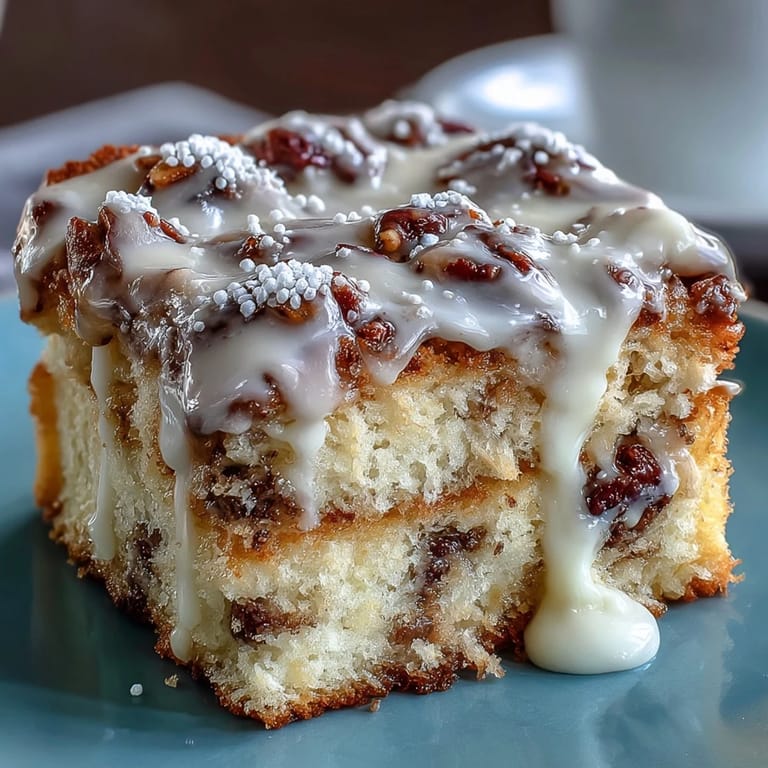
- Spread frosting evenly over the cooled cake with an offset spatula, keeping the crumb coat thin if needed, then decorate with graduation-themed sprinkles or edible decorations. The frosting is forgiving and any imperfections look intentional when you add the toppings.
 Save
Save There's a particular kind of joy in watching someone's face light up when they taste a cake made with intention, especially when it's for a milestone they've worked toward. For graduations, this cake becomes part of the memory, the thing people taste when they remember that day a decade later.
Why This Recipe Works for Graduation Parties
A sheet cake is practical in ways that layer cakes never are—it serves 24 people from a single pan, travels easily in a sturdy container, and doesn't require you to have architectural skills to frost it beautifully. The fact that it's traditionally vanilla matters too; vanilla is the flavor everyone expects at celebrations because it's nostalgic and universally beloved. It's the cake that never shows off, which somehow makes it more special because the focus stays on the person being celebrated rather than your baking skills.
Decorating with School Colors and Personality
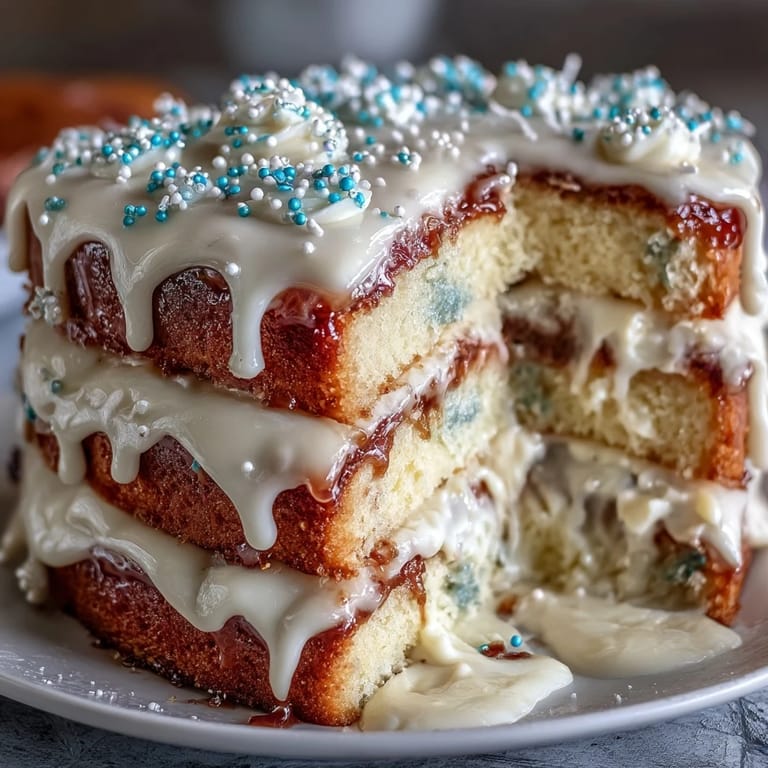
The buttercream holds gel food coloring beautifully, so you can tint the entire batch to match school colors or create a swirl effect with multiple colors if you're feeling confident with a piping bag. Some friends have piped the graduate's name and year across the top, while others created simple borders that looked elegant without requiring professional training. Edible glitter, pearl sprinkles, or even just colorful nonpareils scattered across the top transform a simple cake into something that photographs beautifully and feels special.
Storing and Serving Wisdom
This cake is forgiving about timing, which is ideal for parties where you're never quite sure when guests will arrive. Keep it covered at room temperature for a day or two, or refrigerate for up to four days, and it stays moist and flavorful throughout.
- If you need to bake ahead, the unfrosted cake keeps beautifully for up to three days wrapped in plastic wrap, then frost it the morning of the party.
- Cut slices with a long, thin knife dipped in hot water between cuts—the water prevents frosting from clinging and sticking.
- Leftovers taste even better the next day because the flavors have time to marry together, so whoever takes the extras home is getting a gift.
 Save
Save Baking this cake for someone's graduation is a quiet way of saying 'I believe in you and I'm proud of you,' and those messages matter more than any fancy ingredient ever could. Make it with good butter, good vanilla, and good intentions, and it will be exactly right.
Recipe FAQs
- → What pan size is best for this cake?
A 12x18-inch half-sheet pan works perfectly for even baking and portioning.
- → Can I use almond extract instead of vanilla?
Yes, adding ½ tsp almond extract to the batter gives a subtle nutty flavor.
- → How do I achieve a fluffy texture?
Beat the butter and sugar until light and fluffy, and mix dry and wet ingredients just until combined.
- → Is it possible to make this gluten-free?
Substitute all-purpose flour with a 1:1 gluten-free baking blend for a gluten-free version.
- → How should I store leftover cake?
Store covered at room temperature for up to 1 day or refrigerate up to 4 days to maintain freshness.
- → How can I decorate for graduation themes?
Use graduation-themed sprinkles or gel food coloring to customize the buttercream frosting.