 Save
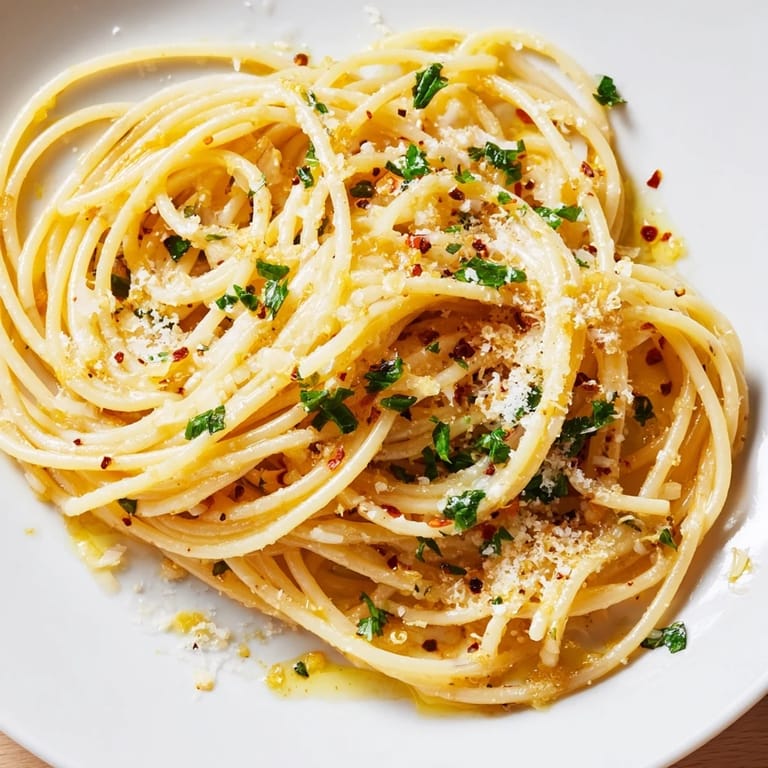
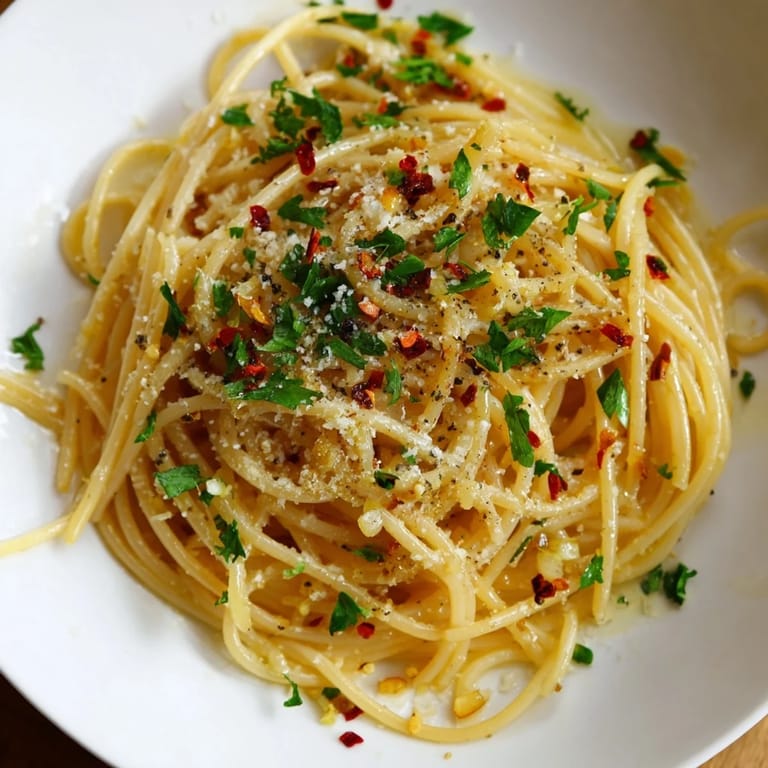
Save There's something about the smell of garlic turning golden in olive oil that stops me mid-thought every single time. I discovered aglio e olio years ago when I was too tired to make anything fancy but still wanted my kitchen to smell like I'd put in real effort. Ten minutes later, I had a bowl of silky spaghetti that tasted like someone who actually knew what they were doing made it. The beauty of this dish is that it doesn't hide behind fancy ingredients or long cooking times—it's just garlic, oil, pasta, and heat, working in perfect harmony.
I made this for my neighbor on a Tuesday night when she mentioned being too exhausted to cook. Watching her face when she tasted it—that moment when you realize something so simple could be so satisfying—made me understand why this dish has survived centuries of Italian cooking. She asked for the recipe, and when I listed the ingredients, she laughed because she had all of them too. Now whenever she's had a long day, she texts me the garlic emoji, and I know exactly what she's making.
Ingredients
- Dried spaghetti (200 g): Use a good quality bronze-cut pasta if you can find it—the rougher texture holds that silky oil better than smooth pasta, and it actually makes a difference.
- Extra-virgin olive oil (4 tbsp): This is where the whole dish lives, so choose one you actually like tasting on its own. Fruity, peppery, or buttery—pick what speaks to you.
- Garlic cloves (4 large, thinly sliced): Thin slices cook evenly and turn golden instead of burning, which is the whole point here.
- Red chili flakes (1 tsp): This is your heat baseline, but taste as you go—some batches are spicier than others.
- Fresh parsley (2 tbsp, chopped): The green brightens everything at the last second and makes it feel intentional rather than rushed.
- Sea salt and black pepper: Season in layers, not all at the end, so the flavors blend instead of sitting on top.
- Parmesan cheese (2 tbsp, optional): If you use it, grate it fresh—the pre-grated stuff feels like giving up on something this simple.
Tired of Takeout? 🥡
Get 10 meals you can make faster than delivery arrives. Seriously.
One email. No spam. Unsubscribe anytime.
Instructions
- Boil the water like you mean it:
- Bring a large pot of salted water to a rolling boil before the spaghetti goes in. The water should taste like the sea—this is the only seasoning the pasta gets. When it's boiling hard, add your spaghetti and stir right away so the strands don't stick together.
- Watch the garlic like a hawk:
- Pour your olive oil into a large skillet and turn the heat to medium-low. Add your sliced garlic and let it sit there, stirring now and then, until it's golden and smell fills your whole kitchen. This takes about a minute or two, and the moment it turns from golden to dark brown, you've crossed the line from delicious to bitter.
- Wake up the heat:
- Sprinkle in your red chili flakes and stir for just 10 seconds so they bloom and release their flavor into the oil without burning.
- Meet the pasta:
- Drain your spaghetti, remembering to save that starchy pasta water in a measuring cup first. Add the hot pasta straight into the skillet with the garlic and oil, then toss everything together, letting each strand get coated.
- Loosen it up:
- If it looks dry, splash in a little pasta water and toss again. The starch in the water emulsifies with the oil and creates something creamy without any cream.
- Finish and serve:
- Remove from heat, toss in the fresh parsley, season with salt and pepper, and plate it while it's still hot. If you're using Parmesan, grate it right over the top just before eating.
 Save
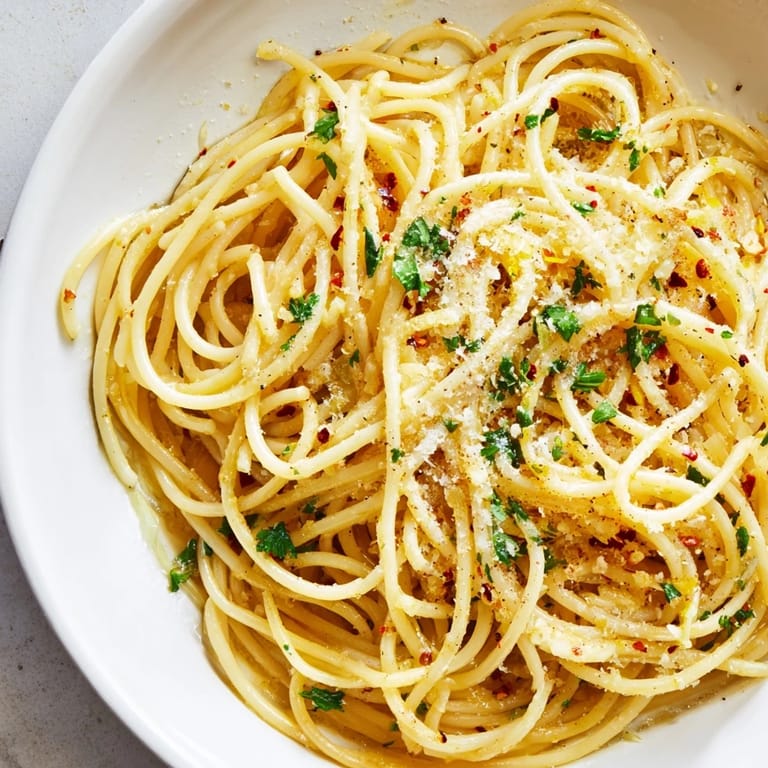
Save My roommate in my twenties used to make this whenever someone broke up, which seemed like an odd choice until I realized it was perfect for that specific sadness—something comforting but also elegant enough to feel like self-care instead of defeat. That's when I learned that the best dishes are the ones that meet you wherever you're standing emotionally and just taste good.
Why This Works
Aglio e olio proves that you don't need cream, butter, or complicated technique to make something that tastes expensive and intentional. The genius is in understanding that pasta water and hot olive oil create an emulsion that clings to every strand, so instead of a pile of slippery noodles, you get something with actual flavor in every bite. It's the kind of dish that shows off what you know about cooking without making a fuss about it.
The Art of Timing
Everything needs to happen at once—the pasta finishing, the garlic turning golden, the oil blooming with chili heat. There's no rest period or waiting for a sauce to simmer, which is why this dish either feels effortless or panicked depending on whether you've read ahead. The secret is having your pan ready and your garlic sliced before the pasta water even goes on the stove.
Make It Your Own
Once you understand how this works, you can bend it without breaking it. Some nights I add a squeeze of lemon juice because the brightness feels right, or a handful of fresh bread crumbs for something crispy. I've seen versions with anchovies, capers, even a whisper of garlic powder for when you want more depth. The frame stays the same—oil, heat, garlic, pasta—but the details are yours to play with.
- A squeeze of fresh lemon juice just before serving lifts everything and makes it feel brighter.
- Crispy bread crumbs or panko fried in olive oil add a texture that changes the whole experience.
- If you love anchovies, chop one or two and let them dissolve into the oil at the end—it adds a savory depth without tasting fishy.
 Save
Save This is the dish I return to when I need to remember that cooking doesn't have to be complicated to be good. It's proof that five ingredients and ten minutes can feel like an act of care.
Recipe FAQs
- → How do I prevent garlic from burning?
Cook garlic over medium-low heat and stir frequently until it turns golden and fragrant, usually within 1–2 minutes.
- → Can I adjust the heat level in this pasta?
Yes, simply modify the amount of red chili flakes to suit your preferred spice intensity.
- → What is the purpose of reserved pasta water?
Adding a splash of reserved pasta water helps loosen the sauce and creates a smooth, cohesive coating on the spaghetti.
- → What alternatives exist for Parmesan cheese?
You can omit it or use a vegan or dairy-free alternative to keep the dish suitable for various diets.
- → Is this dish suitable for gluten-free diets?
Use gluten-free pasta to make this dish appropriate for gluten-sensitive individuals.