 Save
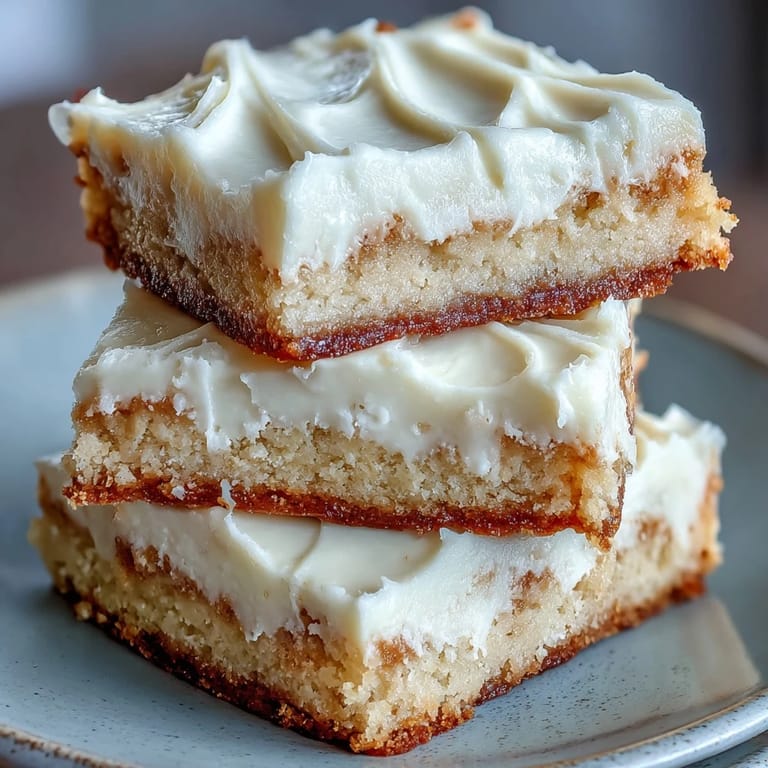
Save One afternoon, my sister texted asking if I could bring something gluten-free to a family gathering, and I found myself staring at my pantry wondering what could possibly work. Almond flour caught my eye, and I remembered how soft those almond-based cookies always turn out. By the time I pulled these bars from the oven, the whole kitchen smelled like buttery vanilla, and I knew I'd stumbled onto something that would become a regular request. The frosting sealed it—creamy, tangy from the cream cheese, and naturally sweet without that artificial aftertaste I usually hate.
I brought these to a potluck last spring, and watched a friend take one cautiously, probably expecting disappointment. After the first bite, they went quiet, then asked for the recipe immediately. That moment—when someone realizes a gluten-free dessert doesn't require compromise—never gets old. Now whenever I make them, I think of how food can change someone's afternoon for the better.
Ingredients
- Almond flour: The foundation here—organic brands tend to be fresher and less likely to taste rancid, which can happen with older batches.
- Monk fruit sweetener: This keeps things naturally sweet without the cooling sensation that stevia sometimes leaves, and it won't spike your blood sugar like regular sugar would.
- Baking powder: Essential for lift and that slightly cakey texture; make sure yours is fresh or the bars will be dense and heavy.
- Salt: Just enough to bring out the flavor and balance the sweetness; don't skip it even though it seems small.
- Coconut oil and Greek yogurt: Together they create moisture and tenderness while keeping things lighter than butter alone would.
- Eggs: They bind everything and add structure without needing flour to do the work.
- Vanilla extract: A teaspoon seems modest, but it's what makes these taste like cookies instead of just almond cake.
- Protein powder (optional): I add it when I want these to feel more substantial, especially if I'm eating them as a post-workout snack.
- Cream cheese frosting base: Make sure it's completely softened or you'll get lumps that no amount of mixing can fix.
- Almond milk for frosting: Start with less than you think you need; you can always add more but you can't take it back.
Tired of Takeout? 🥡
Get 10 meals you can make faster than delivery arrives. Seriously.
One email. No spam. Unsubscribe anytime.
Instructions
- Set yourself up for success:
- Preheat your oven to 325°F and line that 8x8 pan with parchment paper, letting it hang over the edges. This step seems fussy but makes removing the bars later feel effortless instead of like you're performing surgery.
- Build the dry mix:
- Whisk together your almond flour, monk fruit, baking powder, salt, and protein powder if you're using it. Getting these combined first means you won't have lumpy pockets of baking powder later.
- Bring it together:
- Add your eggs, softened coconut oil, Greek yogurt, and vanilla to the dry ingredients and mix until you have a thick, smooth batter. It should look like something between cookie dough and cake batter—thicker than you'd expect but not dry.
- Spread and bake:
- Press your batter into the pan as evenly as you can manage, then slide it into the oven for 20 to 25 minutes. You're looking for the center to puff up slightly and the edges to turn golden; the middle might still feel a tiny bit soft, and that's perfect.
- Cool with patience:
- Let these cool completely in the pan at room temperature, which usually takes about 20 minutes. Frosting them while they're warm will make everything slide around messily.
- Make the frosting:
- While the bars are cooling, beat softened cream cheese with protein powder if using, vanilla, and just a splash of almond milk. Add the milk slowly because you want this to be spreadable but not soupy, then sweeten to your taste.
- Frost and chill:
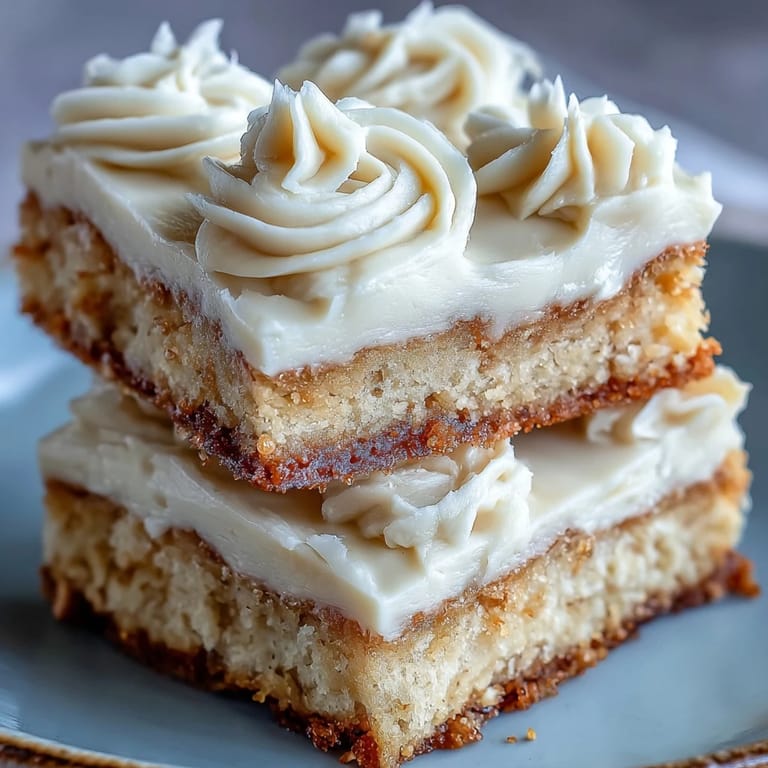
- Spread the frosting evenly over the cooled bars, then refrigerate for at least 30 minutes before slicing. This chill time is what lets everything set properly and makes cutting clean squares actually possible.
 Save
Save My roommate used to avoid desserts because of how they made her feel afterward, but she ate one of these bars and told me she felt fine for once. That's when I realized this recipe wasn't just about making something gluten-free; it was about making something that actually nourishes you. Food like that deserves to exist in your regular rotation, not just on special occasions.
Flavor Variations That Actually Work
These bars are delicious plain, but I've experimented enough to know what transforms them. Adding almond extract to the batter gives them a deeper, almost marzipan-like flavor that feels sophisticated without being weird. Lemon zest mixed into the frosting creates a bright contrast, and I've tried coconut extract in place of vanilla for something tropical. The trick is never overpowering the almond flavor—use variations as whispers, not shouts.
Storage and Make-Ahead Wisdom
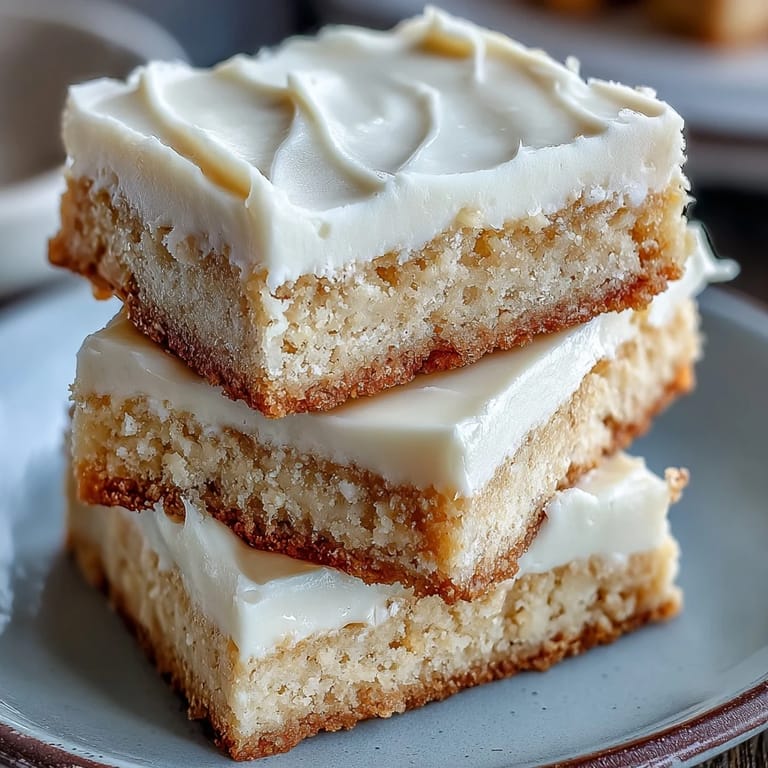
These keep beautifully in the fridge for up to five days in an airtight container, and I've found they actually taste better the next day as the flavors settle. If you want to make them ahead, you can bake the bars and freeze them unfrosted for up to a month, then frost them the morning you need them. They're also fine at room temperature, so you can pull them out of the fridge an hour before serving if you prefer them less cold.
Customizations for Your Situation
The beauty of this recipe is how forgiving it is when you need to adapt. For dairy-free versions, I've had success swapping the Greek yogurt and cream cheese for coconut cream or cashew-based alternatives, though the texture becomes slightly different. If you don't have monk fruit, regular sugar works fine though the bars will be slightly less protein-dense. Want them festive? Colored sprinkles look cheerful, and nobody will question why you have a dessert that's actually good for you.
- Check all ingredient labels if you have allergies, since processed products can sometimes surprise you with hidden gluten or soy.
- If your almond flour smells even slightly off or rancid, toss it and start over because it will make everything taste wrong.
- These are forgiving enough to double if you have a 9x13 pan and need to feed more people.
 Save
Save These bars have become the thing I make when I want to show someone I care about them, or when I need a reminder that healthy food can also be joyful. They never disappoint, and there's something wonderful about that reliability.
Recipe FAQs
- → What makes almond flour a good choice here?
Almond flour lends a moist, tender texture and naturally nutty flavor that complements the sweetness while keeping this treat gluten-free.
- → How does monk fruit sweetener affect the flavor?
Monk fruit provides natural sweetness without added sugars, enhancing flavor and keeping carbs low without bitterness.
- → Can I use dairy-free alternatives in the frosting?
Yes, swapping Greek yogurt and cream cheese for plant-based versions works well, maintaining creamy consistency and taste.
- → What’s the best way to achieve a smooth frosting?
Beat softened cream cheese with almond milk gradually, adjusting liquid until the frosting spreads easily without being too runny.
- → How should these bars be stored to maintain freshness?
Keep in an airtight container refrigerated for up to 5 days; chilling enhances texture and flavor melding.
- → Is protein powder necessary in this preparation?
Protein powder is optional; it adds extra nutrition without altering texture significantly, but can be omitted safely.