 Save
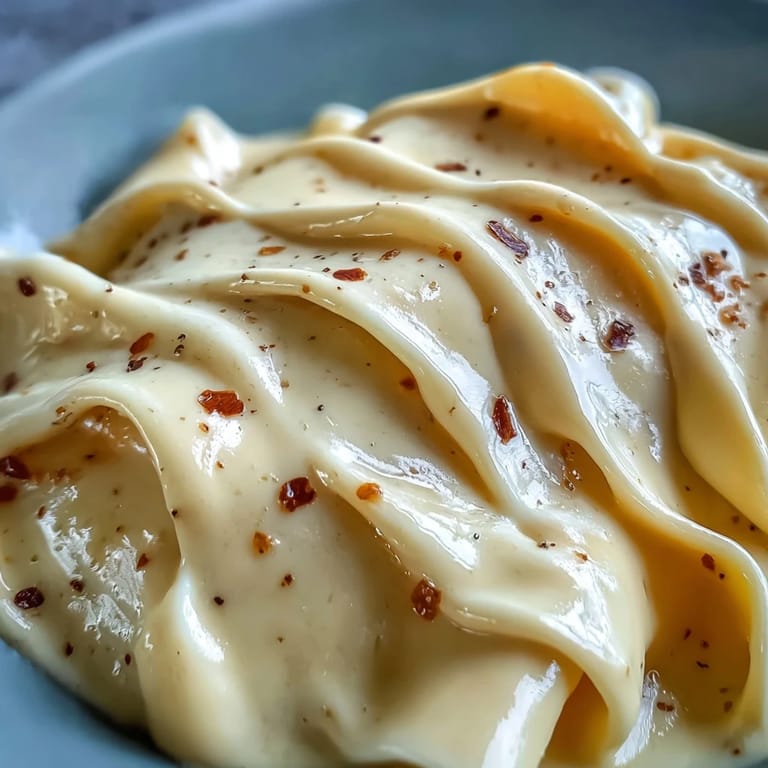
Save When the clock is ticking and a dreamy brunch is suddenly on the horizon, this blender hollandaise comes to my rescue with its almost mischievous ease. I never imagined silky French sauces could happen in under five minutes, let alone without the hovering dread of curdled yolks. You know it’s a winner when, halfway through prepping for an Easter brunch, someone strolls into the kitchen asking: Something smells buttery—is that for the eggs Benedict? The look of sheer disbelief after the first spoonful always delights me. It’s creamy satisfaction with breathtaking speed.
The first time I whipped up this sauce was before a late morning gathering, when my neighbor, Sarah, dropped by just as I started melting the butter. She lingered close, curious, while we watched yolks and lemon juice whirl together in the blender, and our laughter filled the kitchen when the sauce practically made itself. We poured it over asparagus, and the whole thing disappeared before anyone remembered to grab their phones for a photo. Now, I secretly hope she knocks on my door any time I’m melting butter.
Ingredients
- Unsalted butter (½ cup/115g): Using unsalted lets me control the salt, and melting it until just bubbling—not browned—keeps the sauce gleaming and smooth.
- Large egg yolks (3): Room-temperature yolks blend more easily and result in a silkier texture; fresher eggs yield a brighter sauce.
- Fresh lemon juice (1 tablespoon): Adds lively acidity and helps stabilize the emulsification; a fresh squeeze always tastes brighter than bottled.
- Dijon mustard (½ teaspoon, optional): Isn’t traditional, but a dab can make the sauce more stable—especially handy if you’re feeling cautious.
- Salt (¼ teaspoon): I start with a pinch and adjust after blending, since the buttery richness loves a touch of salt.
- Cayenne or black pepper (pinch): Just enough to give a gentle warmth that livens up every bite.
Tired of Takeout? 🥡
Get 10 meals you can make faster than delivery arrives. Seriously.
One email. No spam. Unsubscribe anytime.
Instructions
- Melt the butter:
- Heat the butter in a small saucepan or microwave-safe bowl until hot, bubbling, and fully liquid—but don’t let it brown, or you risk separating the sauce later.
- Prepare the blender base:
- Add the egg yolks, lemon juice, mustard (if using), salt, and just a pinch of cayenne or pepper to your blender; blend for about 10 seconds, watching as the color lightens and everything comes together.
- Emulsify:
- With the blender running on low, slowly pour in the hot melted butter in a steady stream—the sound turns satisfyingly creamy as it thickens in seconds.
- Adjust and serve:
- Taste, adding extra salt or lemon juice if you want; serve the hollandaise immediately over eggs Benedict or any favorite veggie, reveling in its decadent swirls.
 Save
Save There was a weekend when I used hollandaise as a last-minute save for some wilted carrots and even leftover potatoes—my family ate them in blissful silence, broken only by someone whispering, Why don’t we make this every week? That’s the magic of this sauce: transforming even odds and ends into a little celebration.
How to Keep Hollandaise Warm (and Safe)
I once tried leaving the blender jug right on the warm stove, only to return to a sad, overcooked sauce. Now, I keep it cozy by nestling the blender in a bowl of just-warm water while everyone assembles their plates. It’s a small trick that saves you from heartbreak and keeps every spoonful creamy instead of clumpy.
Ways to Make It Your Own
If you love a bit of adventure, finish your hollandaise with chopped tarragon or a splash of white wine vinegar for a Béarnaise twist. I sometimes swap half the butter for a mild, neutral oil to lighten things up—no one ever tastes the difference but everyone comments on the feathery texture. And don’t be afraid of the mustard: just a tiny dab makes the sauce sturdy, especially if you’re new to emulsifying in the blender.
Quick Serving Ideas That Spark Joy
This sauce isn’t just for eggs Benedict—try swirling it over salmon, roasted baby potatoes, or crisp-tender asparagus. There’s delight in discovering what else benefits from a buttery, lemony hug.
- Don’t pour the sauce onto scorching hot food, or it might separate.
- If prepping ahead, keep the sauce in a warm place (not hot).
- Have an extra lemon on hand in case you want extra zing.
 Save
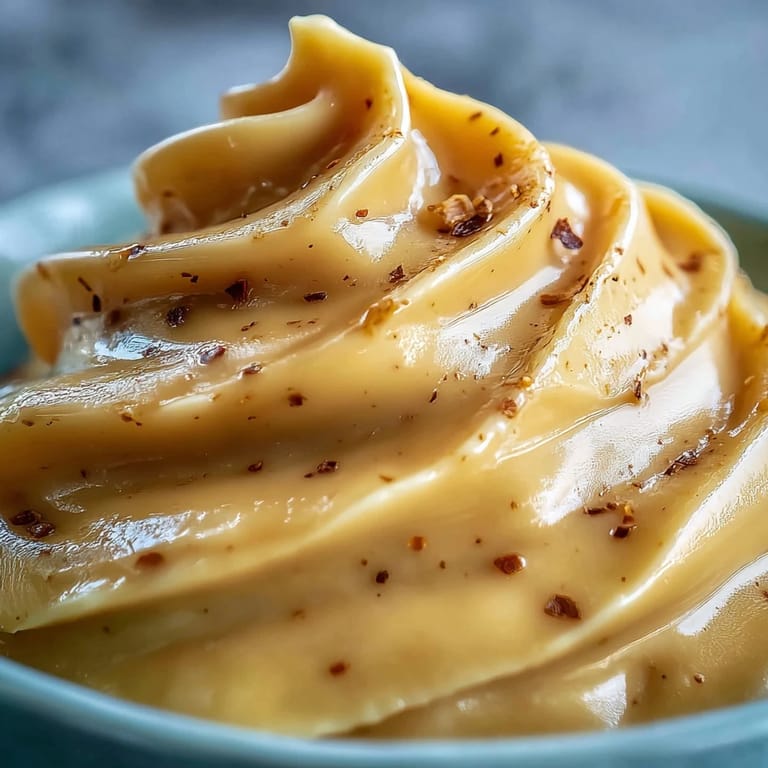
Save A little hollandaise goes a long way in making any meal feel like a celebration—no fuss, no fear. Once you master this two-minute marvel, you’ll never look at brunch the same way again.
Recipe FAQs
- → How does the blender method create an emulsion?
High-speed blending disperses tiny droplets of butter into the yolks and acid, allowing the fat to suspend evenly. The gradual drizzle of hot butter while blending helps the yolks coat each droplet and form a stable, creamy sauce.
- → How do I prevent the emulsion from breaking?
Use warm but not browned butter and add it in a slow, steady stream while blending on low. If the sauce looks loose, blend a spoonful of warm yolk or add a teaspoon of hot water to rebind the emulsion.
- → Can I use whole eggs instead of yolks?
Whole eggs will create a lighter, less rich emulsion and can increase the risk of separation. For the classic silkiness and stability, stick to egg yolks; if using whole eggs, reduce the amount and blend carefully.
- → What are good pairings for this hollandaise?
Classic matches include poached eggs, steamed asparagus, roasted artichokes, and delicate fish like poached salmon. The buttery, lemony gloss also lifts spring vegetables and simple grain bowls.
- → How should I keep the sauce warm without overheating?
Keep the blender jug in a bowl of warm (not hot) water to maintain temperature. Avoid direct heat which can overcook the yolks or break the emulsion; use gentle warmth and serve soon after making.
- → Are there easy swaps for a lighter version?
Use half butter and half neutral clarified vegetable oil to reduce richness, or reduce the butter amount and add a splash of hot water to adjust texture while keeping the emulsion intact.