 Save
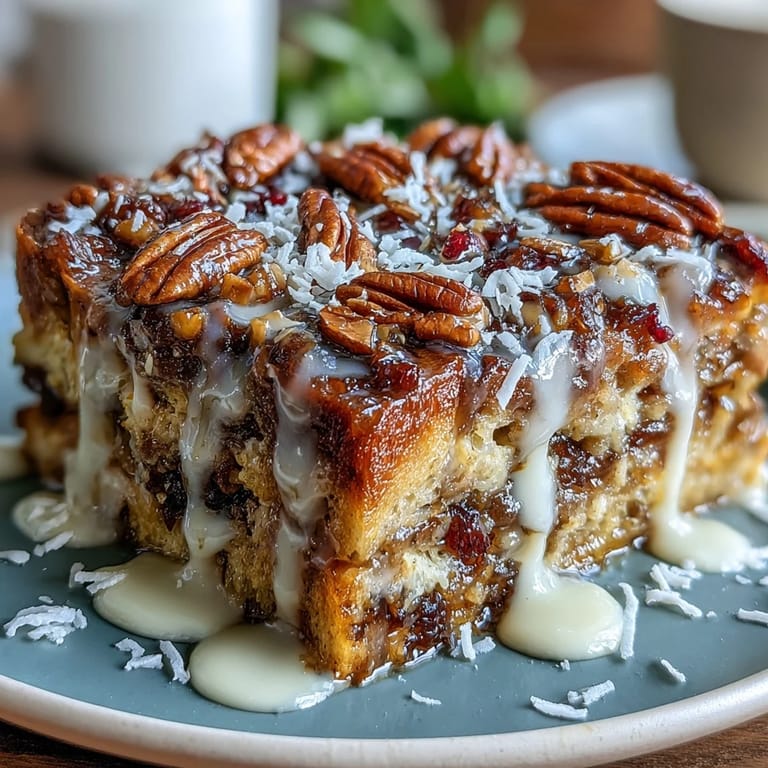
Save The scent of cinnamon and piloncillo drifting from my oven always catches me off guard—it sweeps me back to bustling afternoons when neighbors would stop by unexpectedly, drawn by the promise of something sweet. The first time I tackled capirotada, I hadn't expected my kitchen to feel so alive: music playing, spoons clattering, everyone scoping out the bread bowl. I was amused to discover how capirotada carries its own rhythm, each layer a gentle pause and each ingredient a moment to linger. It's a dessert with a personality—and once you start, you really feel it. Sometimes I find myself awkwardly grinning as I blot syrup off my hands, halfway between nostalgia and sheer pleasure.
Last spring, I made this for a small gathering during Lent, expecting leftovers—but every square disappeared before I could stash any away. My cousin asked for the recipe, mostly for the trick involving toasted bread and warm syrup, and my aunt laughed, admitting she'd always skipped the coconut flakes until now. Everyone gathered around the dish, peering as if there was a mystery inside, but the real magic was just the way it tasted when shared.
Ingredients
- Bread: Using bolillo or slightly stale French bread results in that satisfying crunch before soaking up syrup—try not to rush toasting.
- Piloncillo syrup: Chopped piloncillo creates a deep, molasses-like sweetness; dark brown sugar works but isn't quite as aromatic.
- Cinnamon stick & cloves: Whole spices make the syrup beautifully fragrant—don't substitute ground unless absolutely necessary.
- Dried fruit: Raisins, apricots, or prunes add gentle chew and balance the syrup; a handful goes a long way.
- Cheese: Mild cheeses like queso fresco or Monterey Jack melt delicately, blending savory notes into the pudding.
- Nuts & seeds: Pecans, peanuts, and almonds offer a crunch between the soft bread; chop them unevenly for a rustic feel.
- Coconut flakes: They add a playful sweetness on top, but aren't essential—just a fun option for texture.
- Butter: Melted butter helps the capirotada crisp up and gives richness to every bite.
Tired of Takeout? 🥡
Get 10 meals you can make faster than delivery arrives. Seriously.
One email. No spam. Unsubscribe anytime.
Instructions
- Warm up the oven:
- Set your oven to 180°C (350°F) and give your baking dish a quick swipe of butter, readying everything for layering.
- Toast the bread:
- Spread the slices out and toast until they're just golden—listen for the faint crackle as you flip them, which means they're ready.
- Create the syrup:
- Simmer water, piloncillo, cinnamon, and cloves together, watching as the kitchen turns aromatic; strain out the spices so only the syrup remains.
- Start layering:
- Lay down a third of your toasted bread, then sprinkle on nuts, dried fruit, and cheese—repeat twice more, finishing with cheese and nuts.
- Saturate with syrup:
- Pour the warm syrup gently over each layer to evenly moisten the bread; the sizzle and hiss is your cue.
- Add toppings:
- Drizzle melted butter and sprinkle coconut flakes across the top, making sure every corner gets a little love.
- Bake to perfection:
- Cover with foil and bake for 25 minutes. Then, remove the foil and watch as it turns bubbly and golden in the last 10–15 minutes.
- Let it settle:
- Give the pudding 15 minutes to rest before serving—enough time for all the flavors to cuddle up together.
 Save
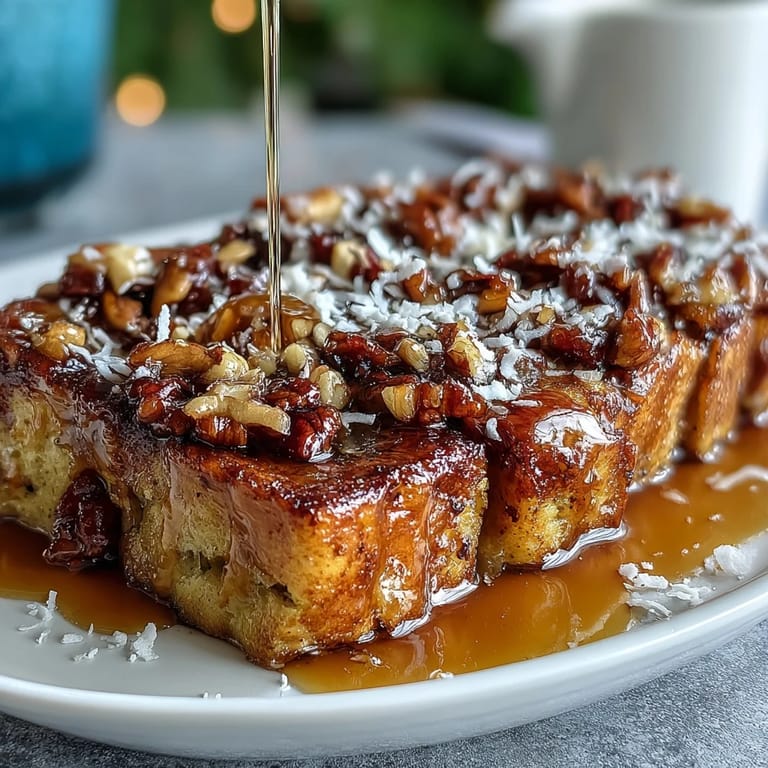
Save Sharing capirotada after dinner, I watched everyone take small bites at first, then reach for seconds with barely disguised excitement. There was something affirming about how the kitchen grew quiet and content—the dessert seemed to encourage conversation and calm, all at once.
A Sweet Symphony: Layering Brings Magic
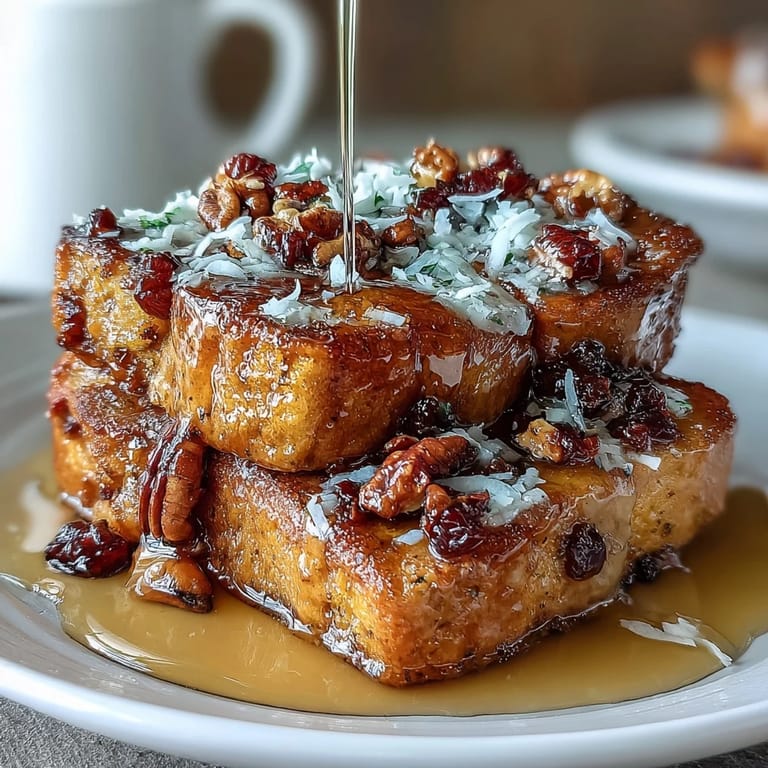
Layering in capirotada isn't just a structural choice—it's what makes every bite distinct, teasing out surprises from the ingredients. I learned that spacing out the nuts and fruit gives a better textural journey, and the bread forms little pockets of flavor that don't repeat. Sometimes I swap in dried apples, and the tartness brightens the syrupy richness. It helps to remember that each layer gets a little busier as you go, but that's part of the fun.
How Syrup Changes Everything
The piloncillo syrup is more than just sweet—it's aromatic, sticky, and tinged with memory. When I first made it, I almost skipped the cloves, but their mild peppery bite turned out to be just right. The moment you pour syrup, the scent blossoms, and suddenly everyone wants to see what's happening. It taught me to trust the process, even if the syrup seems too thin at first—it thickens up, coats everything, and ties the dish together.
Toasted Bread Makes the Difference
The bread is the unsung hero here: the transformation from soft loaf to crisp slice is what keeps capirotada from becoming mere mush.
- If your bread is too fresh, toast a bit longer for reliable structure.
- Covering the dish tightly lets the syrup steam and settles everything beautifully.
- Letting it cool enough before serving ensures the layers cut cleanly.
 Save
Save Capirotada invites a moment to pause—one piece at a time, surrounded by the warmth of sharing. Its simple charm feels right at any table, especially with good company.
Recipe FAQs
- → What makes capirotada unique?
Its combination of toasted bread, aromatic piloncillo syrup, nuts, dried fruits, and cheese creates a distinctive layered dessert.
- → Can I substitute piloncillo with brown sugar?
Yes, dark brown sugar works well if piloncillo isn't available. It offers a similar depth and sweetness.
- → How can I make capirotada lactose-free?
Use a lactose-free cheese or omit cheese for a lighter, dairy-free variation.
- → What's the best bread for capirotada?
Bolillo or French bread, slightly stale, is ideal for structure and texture.
- → How should capirotada be served?
Capirotada is delicious warm or at room temperature. It pairs well with coffee or Mexican hot chocolate.
- → Can additional fruits be added?
Yes, bananas or apples can be layered for extra fruitiness and flavor contrast.