 Save
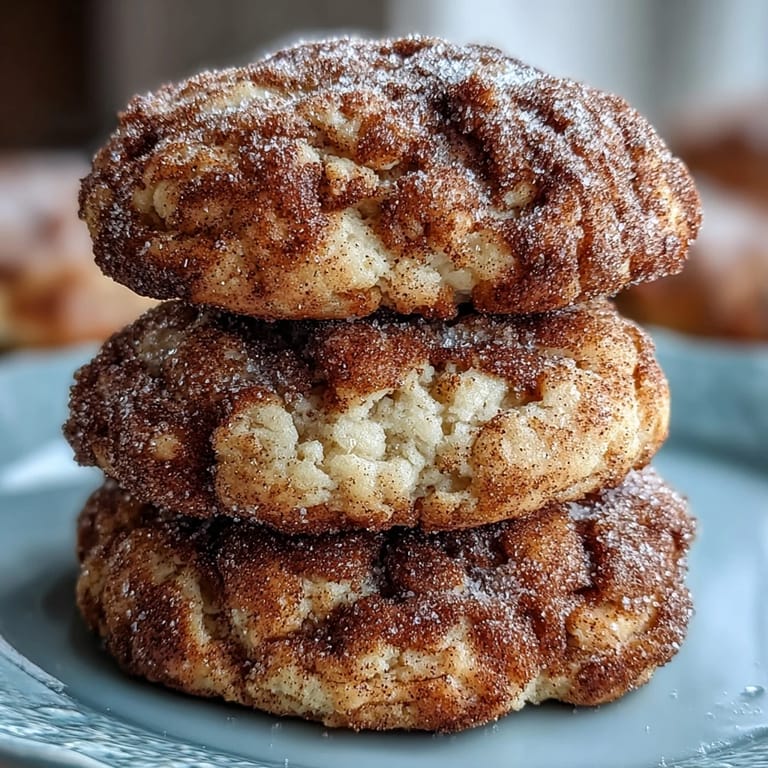
Save My neighbor swore by cottage cheese in her snickerdoodles, and I was skeptical until I watched her pull a batch from the oven—they were impossibly soft, with this subtle tang that made you want another immediately. She'd discovered the trick years ago when she ran out of sour cream and grabbed what was in her fridge instead. Now I can't imagine making them any other way because that creamy texture, combined with the warm cinnamon sugar coat, creates something genuinely special.
I made these for a book club gathering on a rainy Tuesday evening, and within minutes they were gone—people were genuinely asking for the recipe, surprised when I told them about the cottage cheese. One friend kept saying she could taste something special but couldn't place it, which made the whole thing even more fun. It became one of those moments where a simple ingredient swap turned into something everyone wanted to recreate.
Ingredients
- Cottage cheese (1 cup, full-fat or low-fat): This is the secret weapon—it adds moisture and that pleasant tang without making the cookies dense, and full-fat creates a richer, more tender crumb.
- Unsalted butter (1/2 cup, softened): Softening it first means it creams smoothly with the cottage cheese, creating an airy base for tender cookies.
- Granulated sugar (1 cup): The main sweetener that, when beaten with the butter and cottage cheese, helps trap air for that pillowy texture.
- Egg (1 large): Binds everything together and adds richness without overwhelming the delicate flavor balance.
- Vanilla extract (2 tsp): A small amount is all you need—it enhances the warmth without competing with the cinnamon.
- All-purpose flour (2 1/4 cups): The structure-builder; measuring by weight instead of volume helps prevent dense cookies.
- Cream of tartar (1 1/2 tsp): This is what makes snickerdoodles snickerdoodles—it reacts with the baking soda to create that signature slightly chewy texture.
- Baking soda (1/2 tsp) and baking powder (1/2 tsp): Together they lift the cookies slightly and ensure even rising without any off-flavors.
- Salt (1/2 tsp): A small amount awakens all the other flavors and balances the sweetness beautifully.
- Cinnamon sugar coating (1/4 cup sugar + 2 tsp cinnamon): This is where all that visual and aromatic appeal comes from—don't skimp on the cinnamon or they'll taste like plain sugar cookies.
Tired of Takeout? 🥡
Get 10 meals you can make faster than delivery arrives. Seriously.
One email. No spam. Unsubscribe anytime.
Instructions
- Set the stage:
- Preheat your oven to 350°F and line two baking sheets with parchment paper—this ensures even baking and makes cleanup painless.
- Cream the wet ingredients:
- Beat the cottage cheese, softened butter, and 1 cup sugar together until the mixture is smooth and creamy, which usually takes about 2-3 minutes with an electric mixer. You'll notice the butter and cottage cheese blend into something silky, and that's when you know you're on the right track.
- Incorporate the egg and vanilla:
- Add the egg and vanilla extract, mixing until everything is fully combined and the mixture looks homogeneous. Don't worry if it looks slightly curdled at first—a few more beats and it'll come together.
- Combine the dry ingredients:
- In a separate bowl, whisk together the flour, cream of tartar, baking soda, baking powder, and salt until they're evenly distributed. This step prevents pockets of baking soda that could create an unpleasant bitter taste.
- Bring it together gently:
- Gradually add the dry mixture to the wet mixture, stirring until just combined—this is crucial because overmixing develops gluten and makes the cookies tough instead of tender. Stop as soon as you don't see any dry flour streaks.
- Prepare the cinnamon sugar:
- Mix the 1/4 cup sugar and 2 tsp cinnamon in a small bowl, making sure the cinnamon is evenly distributed throughout.
- Shape and coat:
- Scoop tablespoon-sized portions of dough and roll them into balls between your palms, then roll each ball in the cinnamon sugar until it's completely coated with that fragrant mixture. This creates the signature appearance and flavor burst.
- Space them properly:
- Place the coated cookies about 2 inches apart on your prepared baking sheets—they'll spread slightly as they bake, and crowding them creates uneven cooking.
- Bake with patience:
- Bake for 11-13 minutes, watching until the edges are just set and the tops look dry but still slightly soft to the touch. The centers will continue cooking after you remove them from the oven, so resist the urge to bake longer.
- Cool strategically:
- Let the cookies rest on the baking sheet for 5 minutes—this allows them to firm up enough to move without breaking. Then transfer them to a wire rack to cool completely, where they'll develop their final tender texture.
 Save
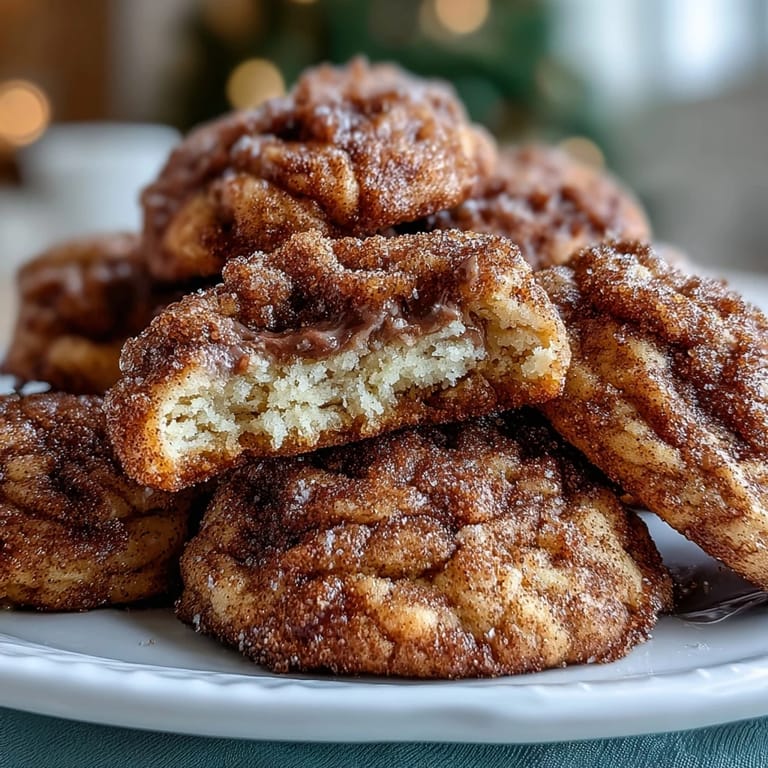
Save There's something genuinely comforting about pulling a batch of these from the oven and watching someone take that first bite—their expression shifts the moment the cinnamon sugar hits their tongue and they realize how soft the cookie is. It's the kind of simple treat that becomes a tradition once people taste it.
The Magic of Cottage Cheese in Baking
Cottage cheese sounds unusual in a cookie, but it's actually one of those clever baker's tricks that creates moisture and tenderness without adding extra fat or making things heavy. The curds dissolve into the batter, creating pockets of moisture that steam during baking and keep the cookies soft for days. I've used this technique in cakes and quick breads too, and it's become one of my favorite secrets for achieving that homemade, just-baked quality.
Storing and Serving These Cookies
Once completely cooled, these cookies keep beautifully in an airtight container for up to 5 days, though honestly they rarely last that long in my house. They're perfect with coffee in the morning or alongside tea in the afternoon, and they travel well too—I've packed them in lunch boxes and sent them in care packages. The cinnamon sugar coating actually helps prevent them from drying out because it creates a slight barrier on the surface.
Variations and Personal Touches
Once you've mastered the basic recipe, there's room to play around and make it your own. Some people love adding a pinch of nutmeg or cardamom to the cinnamon sugar for extra warmth, while others have experimented with swapping ricotta for cottage cheese to create a milder, less tangy version. I've even tried rolling some in a mix of cinnamon and brown sugar instead, which gives a richer, molasses-forward flavor that's completely different but equally delicious.
- Try substituting half the all-purpose flour with whole wheat pastry flour for a nuttier flavor and slightly denser texture.
- Add a tiny pinch of espresso powder to the dough to deepen the cinnamon flavor without making them taste like coffee.
- Roll the warm cookies in the cinnamon sugar immediately after baking for extra coating that caramelizes slightly on the outside.
 Save
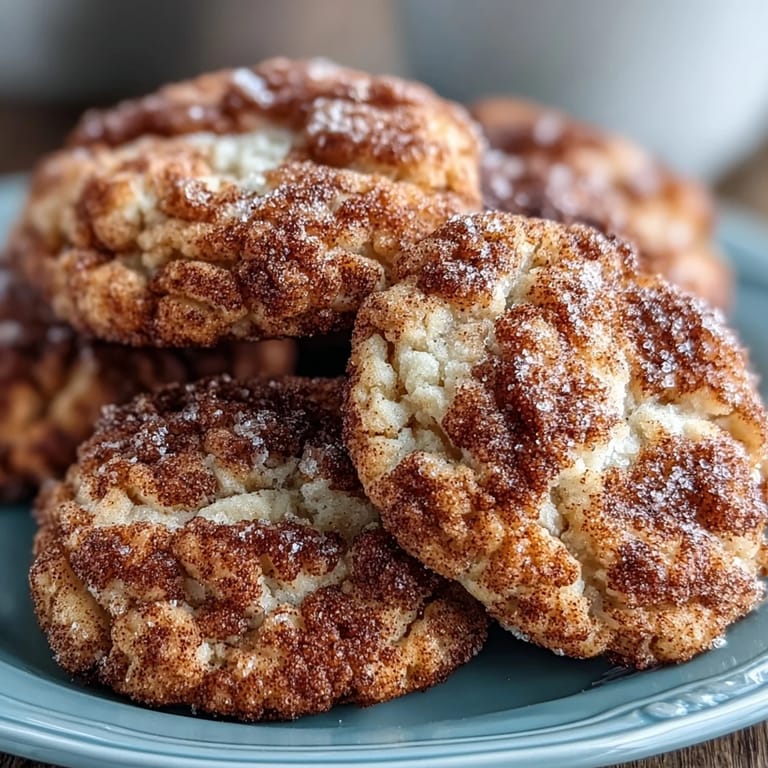
Save These cookies have become my go-to when I want something that feels special but doesn't require complicated techniques or hard-to-find ingredients. There's real joy in sharing something this simple that somehow tastes like you fussed over it for hours.
Recipe FAQs
- → What gives these cookies their soft texture?
The addition of cottage cheese adds moisture and protein, resulting in a tender, pillowy crumb.
- → Can I substitute the cottage cheese with another ingredient?
Ricotta works well as a milder alternative while maintaining softness and moisture.
- → How do I achieve the perfect cinnamon sugar coating?
Mix granulated sugar with ground cinnamon and roll each dough ball thoroughly before baking.
- → What is the ideal baking time for these cookies?
Bake at 350°F (175°C) for 11-13 minutes until edges set and tops look dry to keep softness inside.
- → Can I add other spices to the cinnamon sugar mix?
Adding a pinch of nutmeg or cloves enhances warmth and depth without overpowering the cinnamon.
- → How should I store these cookies to maintain freshness?
Store in an airtight container at room temperature for up to a week to preserve softness.