 Save
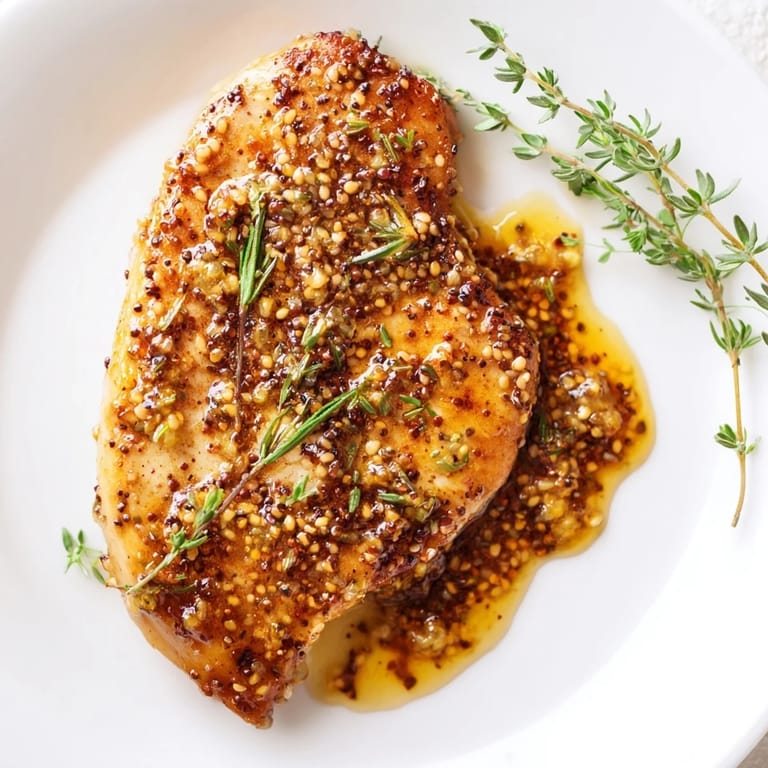
Save The smell hit me before I even walked into the kitchen that Tuesday evening, sticky sweetness mixing with something sharp and warm. My neighbor had left her back door open, and I could hear the sizzle of chicken hitting a hot pan. When she invited me in for a taste, I stood there with a fork in my hand, completely quiet, just savoring the balance of honey and mustard clinging to that perfectly browned chicken. I went home and made it the very next night.
I made this for my brother the night before he moved across the country, and we ate it straight from the skillet at the kitchen counter. He kept quiet through most of the meal, which is rare for him, and then finally said it tasted like comfort. I have made it dozens of times since, but that night it felt less like feeding him and more like sending him off with something he could remember.
Ingredients
- Boneless, skinless chicken breasts: Pat them very dry before seasoning or they will steam instead of sear, and you will miss that golden crust that makes the sauce cling.
- Dijon mustard: This is the backbone of the sauce, sharp and smooth, and it emulsifies beautifully with the honey and broth.
- Honey: Use a mild honey like clover or wildflower so it sweetens without overpowering the tangy mustard.
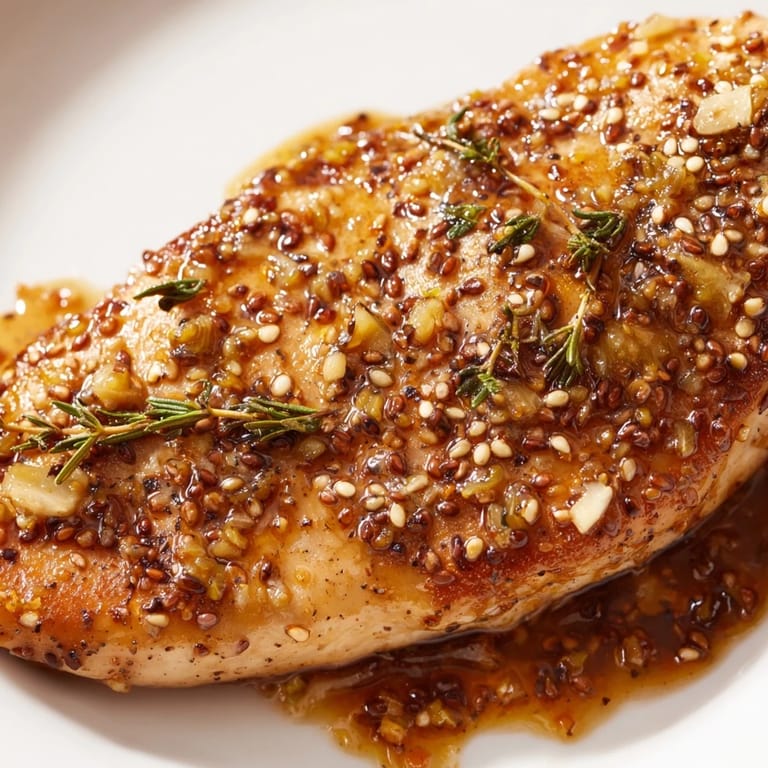
- Whole grain mustard: Those little seeds add texture and a gentle pop of flavor that makes every bite interesting.
- Garlic: Mince it finely and do not let it brown or it will turn bitter and ruin the sweetness of the sauce.
- Apple cider vinegar: Just a tablespoon cuts through the richness and brightens everything up.
- Chicken broth: Low sodium is key here because the mustard and the reduction will concentrate the salt.
- Fresh thyme and rosemary: If you only have dried, use half the amount, but fresh herbs make the kitchen smell like a French bistro.
- Olive oil: Any neutral oil works, but olive oil adds a subtle fruity note that complements the vinegar.
- Fresh parsley: Optional, but a handful of chopped parsley at the end makes it look like you really tried.
Tired of Takeout? 🥡
Get 10 meals you can make faster than delivery arrives. Seriously.
One email. No spam. Unsubscribe anytime.
Instructions
- Season the chicken:
- Pat the chicken breasts completely dry with paper towels, then season both sides generously with salt and pepper. Wet chicken will not brown properly, and you want that caramelized crust.
- Sear the chicken:
- Heat olive oil in a large skillet over medium high heat until it shimmers, then lay the chicken breasts in gently and let them sear undisturbed for three to four minutes per side until deeply golden. Transfer them to a plate and do not worry if they are not cooked through yet.
- Sauté the garlic:
- Lower the heat to medium, add the minced garlic to the same skillet, and stir it around for about 30 seconds until it smells fragrant and toasty. Do not walk away or it will burn.
- Build the sauce:
- Stir in the Dijon mustard, whole grain mustard, honey, apple cider vinegar, and chicken broth, whisking everything together until smooth. Bring it to a gentle simmer and let it bubble softly.
- Add herbs and chicken:
- Sprinkle in the thyme and rosemary, then nestle the chicken breasts back into the skillet and spoon some of that glossy sauce over the tops. Cover the skillet with a lid.
- Simmer until cooked through:
- Let the chicken simmer gently for 10 to 12 minutes, until it reaches an internal temperature of 165 degrees Fahrenheit. The sauce will bubble around the edges and the chicken will finish cooking in that sweet, tangy bath.
- Thicken the sauce:
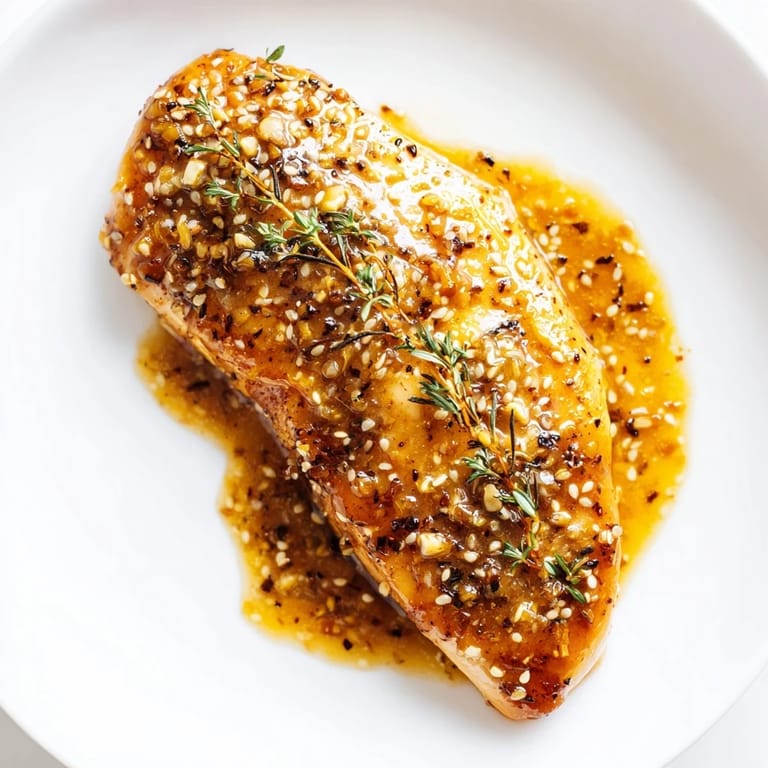
- Remove the lid, increase the heat slightly, and let the sauce simmer uncovered for two to three minutes until it thickens and coats the back of a spoon. This is when it transforms from watery to luscious.
- Garnish and serve:
- Sprinkle chopped parsley over the top if you have it, then serve the chicken with plenty of that sauce spooned over each piece.
 Save
Save One night I served this to a friend who claimed she hated chicken breasts because they were always dry and boring. She finished her plate, looked up at me, and said maybe she had just been cooking them wrong her whole life. That moment felt better than any compliment I have ever received about my cooking.
What to Serve It With
This chicken begs for something to soak up all that sauce, so I almost always serve it over rice or mashed potatoes. Roasted vegetables like carrots, green beans, or Brussels sprouts work beautifully on the side, and a simple green salad with a lemony vinaigrette balances the richness. If you want to get fancy, try it over creamy polenta or with a pile of buttery egg noodles.
Making It Your Own
If you prefer dark meat, swap the chicken breasts for boneless thighs and add a few extra minutes to the cooking time. For a creamier sauce, stir in two tablespoons of heavy cream right at the end and let it swirl into that golden mustard base. I have also added a handful of spinach in the last two minutes of cooking, and it wilts perfectly into the sauce.
Storage and Leftovers
Leftovers keep well in an airtight container in the fridge for up to three days, and the flavors actually deepen overnight. Reheat gently in a skillet over low heat with a splash of chicken broth to loosen the sauce, because microwaving can make the chicken rubbery. I have also shredded leftover chicken and tossed it with the sauce over pasta, and it was gone in minutes.
- Let the chicken cool completely before storing to prevent condensation and sogginess.
- Freeze individual portions in sauce for up to two months if you want quick weeknight meals later.
- Warm leftovers slowly and add a drizzle of honey if the sauce tastes too sharp after sitting.
 Save
Save This is the kind of recipe that makes you look like you know what you are doing in the kitchen, even on nights when you feel like you are just winging it. I hope it becomes one of those dishes you make without thinking, the one you reach for when you need dinner to feel like more than just dinner.
Recipe FAQs
- → Can I use chicken thighs instead of breasts?
Yes, chicken thighs work wonderfully and will be even more flavorful and juicy. Increase the simmering time to 14-16 minutes to ensure they cook through completely, checking that the internal temperature reaches 165°F.
- → How can I make the sauce creamier?
Stir in 2 tablespoons of heavy cream during the final minute of cooking. This adds richness and smoothness while maintaining the honey Dijon flavor profile. Mix thoroughly to incorporate evenly.
- → What's the best way to ensure the chicken stays juicy?
Pat the chicken dry before seasoning, sear it quickly to develop a golden exterior, then cover the skillet while simmering. Avoid overcooking by using a meat thermometer to confirm the internal temperature reaches exactly 165°F.
- → Is this truly gluten-free?
The basic preparation is gluten-free, but always verify your chicken broth and mustard labels, as some brands may contain hidden gluten or be produced in facilities that process gluten-containing ingredients. Choose certified gluten-free products if necessary.
- → What wine pairs well with this dish?
A lightly oaked Chardonnay complements the sweet and tangy sauce beautifully. The wine's acidity cuts through the richness while its buttery notes echo the creamy sauce, creating a harmonious pairing.
- → Can I prepare this ahead of time?
You can prep all ingredients in advance and store them separately. When ready to cook, follow the instructions fresh for the best texture. The finished dish keeps well refrigerated for up to 3 days and can be gently reheated.