 Save
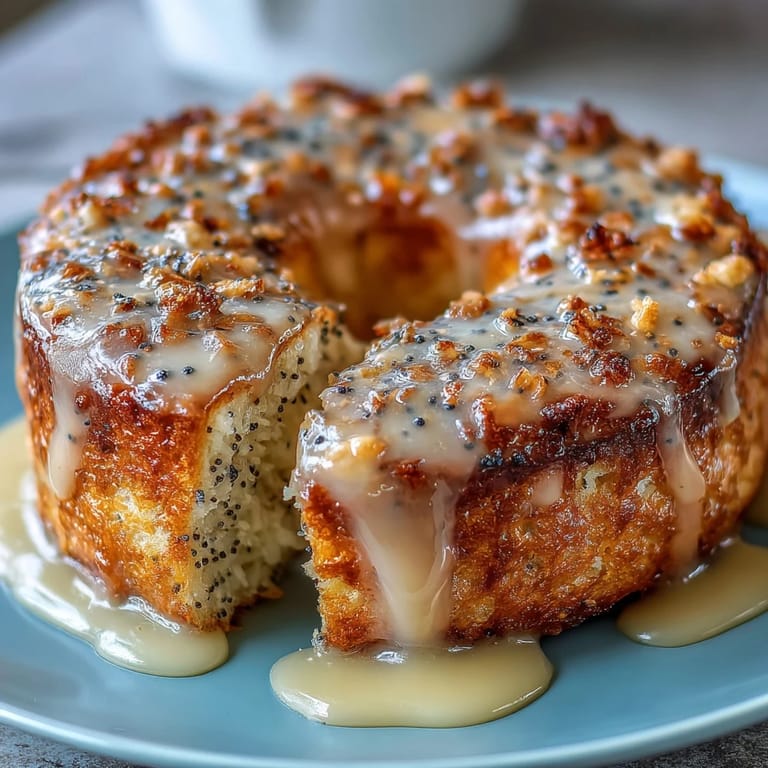
Save One rainy afternoon, I was scrolling through my phone when a friend sent me a photo of these golden bagels she'd made, and honestly, I was skeptical about protein powder in breakfast baked goods until I tasted one. The lemon brightness cut through any chalky texture I'd worried about, and the poppy seeds added this delightful little crunch that made it feel fancy without the fuss. I spent the next week tinkering in my kitchen, adjusting the yogurt ratio and testing different lemon amounts until these bagels became something I actually wanted to make again and again. They hit that sweet spot between indulgent comfort food and the kind of breakfast that doesn't leave you feeling sluggish by mid-morning.
I made these for my running club's post-long-run brunch, mostly because I wanted to prove that healthy breakfast food doesn't have to taste like cardboard, and they disappeared within minutes. One teammate actually asked for the recipe with cream cheese smeared across their face, which felt like the highest compliment possible. What surprised me most was how a bagel could be light enough to eat after a hard workout but substantial enough that nobody reached for a second pastry an hour later.
Ingredients
- Bread flour (2 cups): This gives you structure and chew without going overboard; all-purpose flour works in a pinch but expect a slightly softer crumb.
- Vanilla or unflavored whey protein powder (1 cup): Vanilla adds subtle sweetness that plays beautifully with lemon, though unflavored is equally lovely if you prefer pure citrus notes.
- Poppy seeds (2 tbsp): Toast them lightly in a dry pan first if you want to intensify their nuttiness, though I skip this step when I'm short on time.
- Baking powder (1 tbsp): This is essential for lift since these aren't traditional yeast bagels; don't skip it or you'll get dense, hockey-puck situations.
- Fine sea salt (1/2 tsp): It brightens the lemon flavor and balances the sweetness in ways coarse salt just doesn't manage as well.
- Granulated sugar (1/4 cup): This feeds the glaze's sweetness and helps the exterior caramelize during baking.
- Lemon zest (2 lemons): Use a microplane grater for the finest texture; the oils in the zest are where the real flavor lives.
- Plain Greek yogurt (1 cup): Low-fat or non-fat versions work equally well and keep the dough from becoming greasy.
- Large egg (1 for dough): This binds everything together and contributes to the tender crumb.
- Fresh lemon juice (1 tbsp for dough, 2 tbsp for glaze): Fresh is absolutely non-negotiable; bottled juice tastes tinny by comparison.
- Unsalted butter, melted (2 tbsp): This adds richness without interfering with the lemon flavor.
- Honey (1 tbsp for boiling water): It helps create a subtle sheen on the bagels and keeps them tender longer.
- Powdered sugar (3/4 cup for glaze): Sifting it first prevents lumpy glaze, which I learned the hard way.
- Lemon zest for glaze (1 tsp): A fresh shower of zest on top adds visual appeal and one last pop of brightness.
Tired of Takeout? 🥡
Get 10 meals you can make faster than delivery arrives. Seriously.
One email. No spam. Unsubscribe anytime.
Instructions
- Set your stage:
- Preheat your oven to 375°F and line a baking sheet with parchment paper so your bagels won't stick and cleanup stays simple. This is also the moment to grab a large pot for boiling water later.
- Mix the dry foundation:
- In a large bowl, whisk together bread flour, protein powder, poppy seeds, baking powder, salt, sugar, and lemon zest until everything is evenly distributed. You'll notice the zest turning the flour a pale golden color, which is your first visual cue that things are heading in the right direction.
- Combine the wet elements:
- In a separate bowl, stir together Greek yogurt, one egg, lemon juice, and melted butter until you have a smooth, cohesive mixture. Don't overmix; just blend until there are no visible streaks.
- Bring it together:
- Add your wet ingredients to the dry mixture and start mixing with a wooden spoon until a shaggy dough forms, then switch to kneading by hand for about 2 to 4 minutes until it becomes soft and only slightly tacky. If it feels too dry and crumbly, add yogurt a tablespoon at a time; if it's sticking aggressively to your hands, dust in a bit more flour.
- Shape your bagels:
- Divide the dough into 8 equal portions and roll each into a ball about the size of a golf ball. Poke your thumb through the center of each ball and gently stretch and rotate until you form a bagel shape with a hole about an inch in diameter.
- Let them breathe:
- Place the bagels on your prepared baking sheet, cover loosely with a kitchen towel, and let them rest for 15 minutes; this short rise makes them slightly fluffier.
- Prepare the boiling bath:
- While bagels rest, bring 2 quarts of water and 1 tablespoon of honey to a gentle boil in a large pot. Once it's bubbling, reduce the heat to a simmer.
- Boil with intention:
- Working in batches so you don't overcrowd the pot, gently place bagels in the simmering water and let them bob around for 30 seconds on each side. Use a slotted spoon to remove them, letting excess water drip back into the pot, and return them to the baking sheet.
- Finish with egg wash:
- Brush each boiled bagel with the beaten egg wash mixture, which will give them that gorgeous golden-brown sheen as they bake.
- Bake until golden:
- Bake for 18 to 22 minutes, watching for a deep golden-brown color that signals they're cooked through. The kitchen will smell incredible at this point, which is honestly the best part.
- Cool completely:
- Transfer bagels to a wire cooling rack and let them rest for at least 10 minutes before glazing, or they'll have a puddle of glaze instead of a beautiful coating.
- Make and apply the glaze:
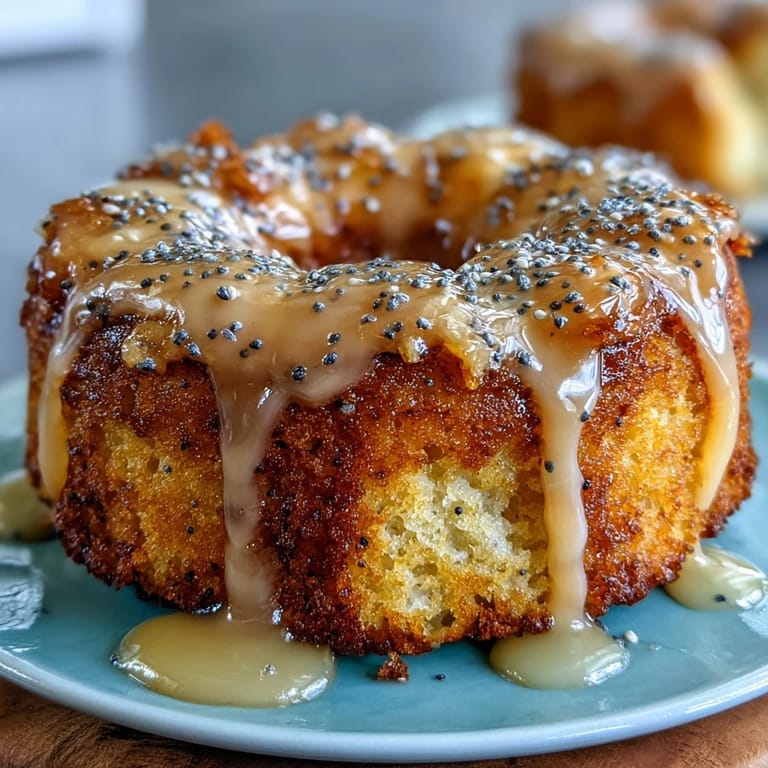
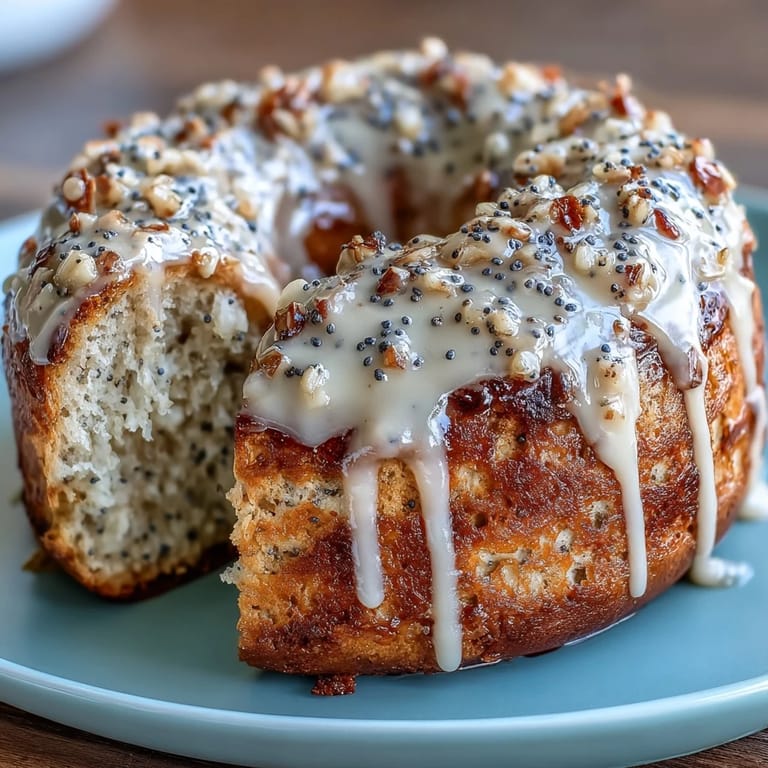
- While bagels cool, whisk together powdered sugar, fresh lemon juice, and lemon zest until you have a smooth, pourable consistency. Drizzle generously over each cooled bagel and let the glaze set for a few minutes before eating.
 Save
Save My favorite moment with these bagels happened on a quiet Tuesday morning when I pulled a frozen one from the freezer, toasted it until it was warm and crispy on the outside, and realized that a year of experimenting had finally created something I genuinely wanted to eat regularly. That small victory of creating something that tasted better than store-bought made every testing session completely worth it.
The Secret to Fluffy Protein Bagels
The magic happens at the intersection of Greek yogurt and protein powder; the yogurt provides moisture and tang that softens what could otherwise be a chalky texture from the protein, while the baking powder gives you lift without requiring an overnight fermentation. When I first started playing with this ratio, I added too much protein powder and ended up with something that tasted medicinal, so now I'm religious about measuring. The balance creates a bagel that's genuinely fluffy on the inside while maintaining that bagel chew on the outside.
Lemon Flavor That Actually Shines Through
Using both fresh lemon zest in the dough and in the glaze creates layers of brightness that feel sophisticated without being overwhelming. The zest oils are where the real action happens, so never settle for extract or bottled juice when you're making these; the difference between fresh and packaged is absolutely noticeable. I learned this after making a batch with bottled lemon juice that tasted vaguely citrus-adjacent instead of boldly lemony, and I haven't made that mistake twice.
Making Them Work for Your Life
These bagels are designed for real life, which means they freeze beautifully and reheat like they were just made. I keep a batch in my freezer for those mornings when I need breakfast but didn't plan ahead, which is most mornings if I'm being honest. Toast them straight from frozen and you get the same texture as a fresh bagel, minus the early-morning stress.
- Freeze them in an airtight container or freezer bag for up to two months and thaw at room temperature for about 30 minutes before toasting.
- Cream cheese and everything-bagel seasoning is delicious, but almond butter and a drizzle of honey is my go-to when I want something more substantial.
- Make the dough the night before, refrigerate it, and finish shaping and cooking in the morning if you want fresh bagels without the full time commitment.
 Save
Save These lemon poppy seed bagels have become my answer to the breakfast question, the thing I reach for when I want something that feels indulgent but doesn't make me feel sluggish. They're proof that protein-packed breakfast food doesn't have to taste virtuous; it just has to taste delicious.
Recipe FAQs
- → What gives the bagels their light lemon flavor?
Lemon zest and fresh lemon juice in both the dough and glaze provide a bright, citrusy aroma and taste throughout the bagels.
- → How does boiling with honey affect the bagels?
Boiling the bagels in honey-infused water creates a glossy crust and subtle sweetness while helping achieve the classic chewy texture.
- → Can I substitute the protein powder used?
Yes, vanilla or unflavored whey protein powder can be swapped with other protein powders, but allergen considerations should be kept in mind.
- → What is the role of Greek yogurt in the dough?
Greek yogurt adds moisture and tenderness to the dough, contributing to a soft crumb and slight tang that balances the lemon flavors.
- → How should the glaze be applied for best results?
Whisk powdered sugar with lemon juice and zest, then drizzle it over cooled bagels. Allow it to set before serving for a light, flavorful finish.
- → Can these bagels be made dairy-free?
Dairy-free yogurt substitutes can be used in place of Greek yogurt, and non-dairy butter alternatives work well without compromising texture.