 Save
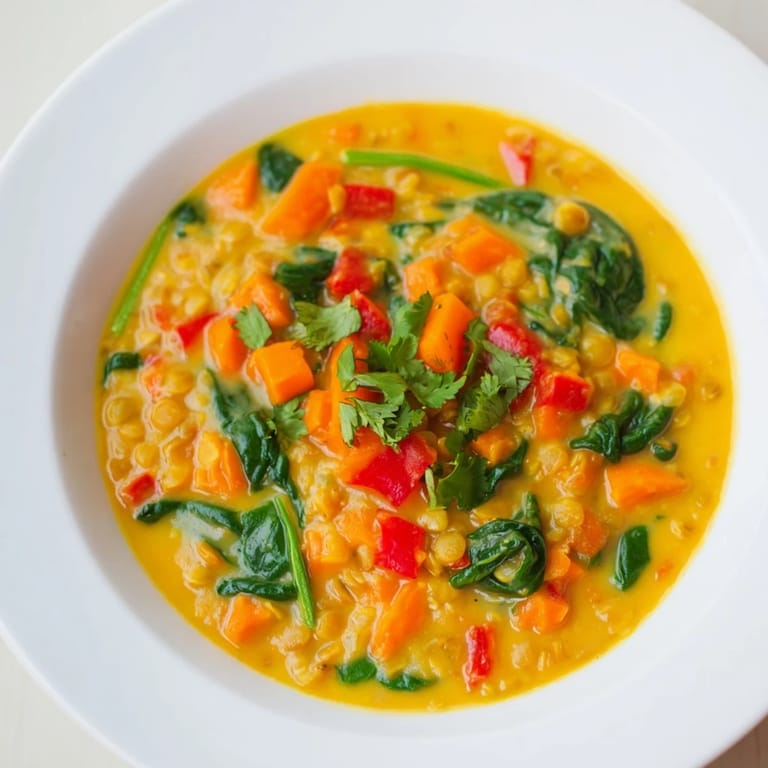
Save There's something about the smell of curry paste hitting hot oil that stops me mid-breath every time. I discovered this soup on a gray afternoon when I wanted something that felt both warm and alive, and somehow red lentils transformed into this bowl of comfort that's become my go-to when the weather turns cold or when I need to feed people without fuss. The first time I made it, I added way too much curry paste and my eyes watered while stirring, but that happy accident taught me exactly how bold I wanted the flavors to be.
I made this for my neighbor who'd just moved in, and watching her face when she tasted that first spoonful—the way the warmth and spice and creaminess all landed at once—made me realize why I keep coming back to it. She asked for the recipe before she'd finished the bowl, and now whenever I see her, she mentions making it again.
Ingredients
- Red lentils: They dissolve slightly as they cook, creating a naturally creamy texture without any cream, and they're done in about 25 minutes so nothing sits around waiting.
- Onion, garlic, ginger: This aromatics trio is non-negotiable; together they build the flavor foundation that makes everything else taste like it took hours.
- Carrot, red bell pepper, zucchini: The vegetables add sweetness and body, and the colors make the soup look alive in the bowl.
- Vegetable oil: Just enough to get things sizzling and wake up the curry paste.
- Red curry paste: Start with 3 tablespoons and taste as you go; some pastes are spicier than others, and you want to enjoy this, not suffer through it.
- Coconut milk: Full-fat is essential here—it's what makes this taste like a restaurant version of itself instead of just flavored broth.
- Vegetable broth: Quality matters since it's the backbone; I taste it plain first to make sure it's not overly salty.
- Soy sauce or tamari: A tablespoon adds depth that you don't quite taste but definitely notice if it's missing.
- Turmeric: This ground spice adds earthiness and a golden tint that makes the soup feel intentional.
- Lime juice: Squeeze it in at the end; it brightens everything and keeps the soup from tasting heavy.
- Fresh cilantro: Cilantro is divisive, but even cilantro-skeptics seem to enjoy it sprinkled on top as an optional garnish.
Tired of Takeout? 🥡
Get 10 meals you can make faster than delivery arrives. Seriously.
One email. No spam. Unsubscribe anytime.
Instructions
- Build your aromatics:
- Heat the oil over medium heat and add diced onion, letting it soften for about 3 minutes until the edges start to turn translucent. This patience matters—you're not rushing, you're inviting the flavors to start waking up.
- Wake up the spices:
- Stir in garlic and ginger and let them cook for a minute, then add the red curry paste and turmeric, stirring constantly for 1 to 2 minutes. You'll know it's ready when the kitchen smells like a Thai restaurant and the paste darkens slightly.
- Add the vegetables:
- Toss in carrot, bell pepper, and zucchini if using, and let them soften for a few minutes. They'll release their own flavors into the oil, building layers.
- Bring it all together:
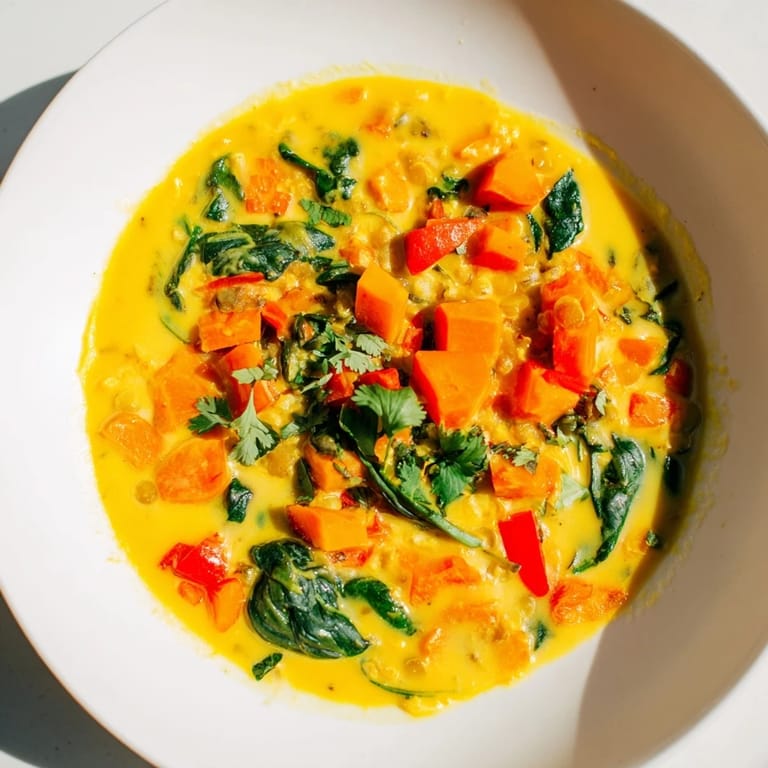
- Stir in the lentils, coconut milk, vegetable broth, and soy sauce, then bring everything to a boil before reducing the heat to a gentle simmer. This is where the magic happens—the lentils soften, the broth turns a beautiful coral-gold, and your kitchen smells incredible.
- Finish with greens and brightness:
- After 20 to 25 minutes when the lentils are tender, add the spinach and let it wilt for about 2 minutes, then squeeze in the lime juice and taste for salt. The lime is what transforms this from good to memorable.
 Save
Save I remember my dad trying this and asking if I'd learned to cook Thai food secretly, which made me laugh because it's just good seasoning and patience. That moment—when someone tastes something you made and it transports them somewhere—that's when soup stops being just lunch and becomes something you want to make again.
Customizing Your Soup
The beauty of this recipe is how adaptable it is to what's in your fridge or what you're craving. I've made it with kale instead of spinach when I was out of spinach, and with extra mushrooms when I wanted more earthiness. The curry paste amount is genuinely up to you—I usually start with 3 tablespoons and add more if I want the soup to have more personality. Some people add a sliced chili for heat, others add lime leaves if they have them, and I've even added a splash of fish sauce on nights when I wanted it to taste less vegetarian. There's no wrong version here.
What to Serve With It
This soup is substantial enough to stand alone, but it becomes a complete meal with something starchy on the side. Jasmine rice soaks up the broth beautifully, or warm naan if you want bread. I've also served it with a simple salad on the side for nights when I wanted something fresh and bright alongside the warmth. The leftovers reheat better than almost anything—the flavors actually deepen overnight, which is rare.
Making Ahead and Storage
This soup is genuinely forgiving when it comes to timing, which makes it perfect for meal prep or cooking when you have unexpected guests. It stays vibrant in the refrigerator for about 4 days, and I actually prefer it the next day because the flavors have time to marry together. You can also freeze it in portions if you want to stock your freezer with easy dinners, though I'd add the spinach and lime juice after reheating so they taste fresh.
- Let the soup cool completely before refrigerating to avoid condensation and flavor loss.
- If you're freezing, leave a little headspace in each container since the soup expands slightly.
- Reheat gently on the stovetop rather than aggressively; low and slow brings back the depth without making it taste tired.
 Save
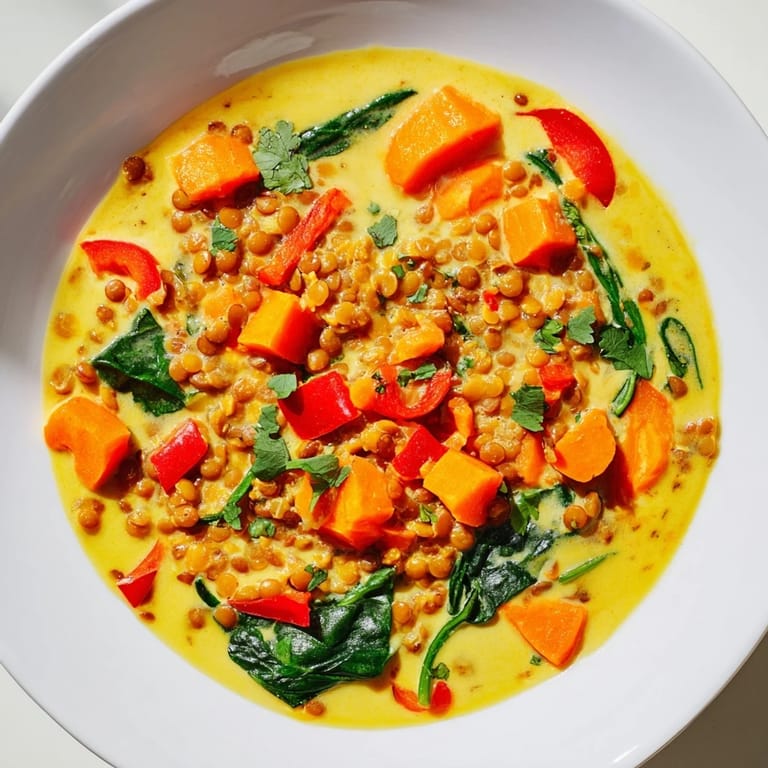
Save Making this soup has become my shortcut to feeling like I've cooked something impressive without stress, and it's the kind of dish that tastes better when shared. It's become the meal I reach for when I want to feel grounded and when I want to feed the people I care about something warm.
Recipe FAQs
- → What type of lentils work best?
Red lentils are ideal as they soften quickly and blend well with the creamy coconut base.
- → How can I adjust the spice level?
Modify the amount of red curry paste or add fresh chopped chili for extra heat.
- → Can I substitute the vegetables?
Yes, kale or other leafy greens can replace spinach, and different veggies like sweet potatoes can be added.
- → What is the best way to thicken the broth?
The red lentils naturally thicken the broth as they cook and break down over time.
- → Is there a recommended side to serve with this dish?
Steamed jasmine rice or naan bread complements the flavors and adds heartiness.