 Save
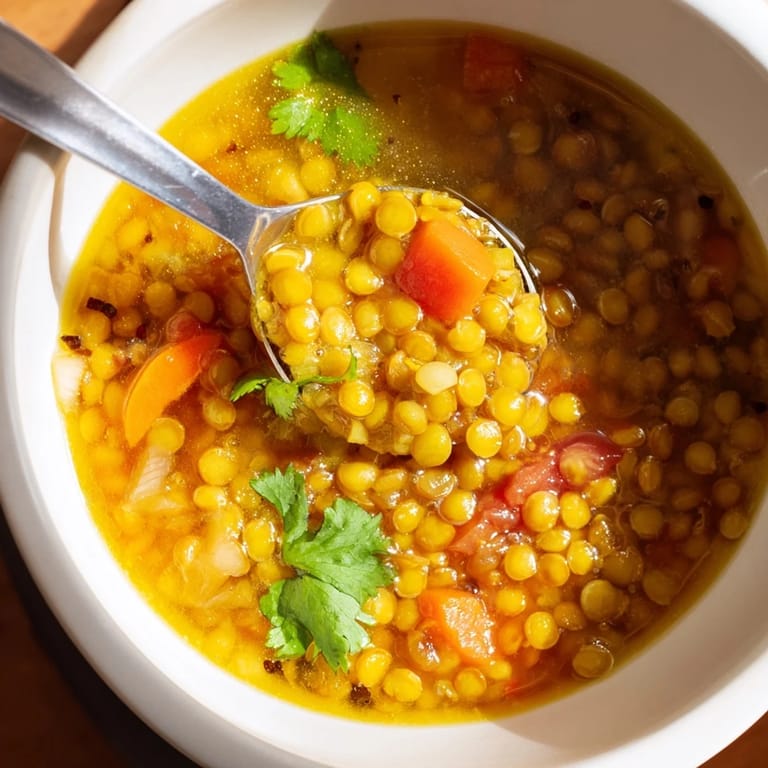
Save The first time I made mung bean soup, I was recovering from a terrible cold and my Indian neighbor dropped off a container of this golden, fragrant broth. One spoonful and I understood why generations have turned to this humble soup when bodies need healing. Now I make it whenever someone in my house needs comforting, or just when the weather turns gray and we crave something that feels like a warm blanket.
Last winter my sister came over after a rough breakup and I silently put a pot of this on the stove. We ate it sitting on the floor of my kitchen with spoons and didn't say much, but she asked for the recipe before she left and now she makes it for her roommates.
Ingredients
- 1 cup dried mung beans: Soaking them overnight transforms these tiny legumes into something that practically melts in your mouth
- 1 medium onion, finely chopped: I learned the hard way that larger pieces don't soften enough and you end up with crunchy bits in your spoon
- 2 cloves garlic, minced: Fresh garlic makes a difference here, jarred garlic somehow loses its punch in long simmered soups
- 1 inch fresh ginger, grated: The ginger brings this gentle heat that sneaks up on you, especially if you grate it instead of mincing
- 1 medium carrot, diced: This adds natural sweetness that balances the earthiness of the mung beans
- 1 medium tomato, chopped: Even though it simmers down, the tomato adds just enough acidity to brighten everything
- 1 small green chili, finely chopped: Optional but I love how it warms you from the inside out on cold days
- 1 tsp ground cumin: Toast your cumin in a dry pan for 30 seconds before adding, it deepens the flavor dramatically
- 1 tsp ground coriander: This gives the soup its characteristic warm, slightly citrusy undertone
- 1/2 tsp turmeric powder: Besides the golden color, turmeric adds this subtle earthiness that grounds all the spices
- 1/2 tsp ground black pepper: Freshly cracked pepper makes a noticeable difference in the final depth
- 1/2 tsp mustard seeds: Listen for them to pop in the hot oil, that sound means they have released their nutty flavor
- 1/4 tsp asafoetida (hing), optional: A tiny pinch goes an incredibly long way, adding this umami richness
- 1 tsp salt (or to taste): Taste at the end, the salt concentration changes as the soup thickens
- 6 cups water or vegetable broth: Broth adds depth but water works beautifully if you want the pure bean flavor
- 2 tbsp fresh cilantro, chopped: Add this right before serving so it keeps its bright, fresh character
- 1 tbsp fresh lemon juice: This final squeeze wakes up all the spices and makes everything taste alive
Tired of Takeout? 🥡
Get 10 meals you can make faster than delivery arrives. Seriously.
One email. No spam. Unsubscribe anytime.
Instructions
- Prep the mung beans:
- Drain and rinse those soaked beans until the water runs clear, I usually give them about three thorough rinses
- Wake up the mustard seeds:
- Heat a splash of oil in your large pot over medium heat, toss in the mustard seeds and wait for that satisfying popping sound, about 30 seconds
- Build your flavor base:
- Add the onion, garlic, and ginger to the pot, sauté until the onion turns translucent and your kitchen starts smelling incredible, about 3 minutes
- Add the vegetables and spices:
- Stir in carrots, tomato, green chili if you are using it, and all your ground spices, let everything cook together for another 2 minutes
- Simmer into soup:
- Add the mung beans and pour in your water or broth, bring it to a boil, then reduce heat to low and simmer uncovered for 35 to 40 minutes, until the beans are completely soft and the soup has thickened beautifully
- Season to perfection:
- Add salt and adjust any seasoning, I always taste it at this point and sometimes add a pinch more turmeric
- Finish with bright notes:
- Stir in the lemon juice and scatter fresh cilantro on top right before serving
 Save
Save My grandmother would sit with me after school while this soup bubbled on the stove, telling me stories about her childhood in Mumbai. Now whenever I smell turmeric and cumin warming in oil, I am transported back to that tiny kitchen with its chipped teacups and endless stories.
Making It Your Own
Sometimes I throw in a handful of spinach during the last five minutes of cooking, it wilts into the soup and adds nutrition without changing the flavor profile. I have also added diced potatoes when I wanted something more filling, and they soak up all those beautiful spices beautifully.
Serving Suggestions
This soup deserves to be the star of the meal, so I keep sides simple. Steamed basmati rice is perfect for soaking up every drop, or warm naan bread for dipping. On especially cold days, I serve it alongside a crisp cucumber salad with extra lemon to complement the warm, spiced broth.
Storage And Meal Prep
The soup actually develops more depth overnight as the spices continue to meld together. I often make a double batch on Sunday and portion it into containers for easy lunches throughout the week.
- Let the soup cool completely before refrigerating to prevent condensation
- It keeps beautifully in the fridge for up to five days
- Freeze individual portions for those nights when cooking feels impossible
 Save
Save There is something profoundly nourishing about a soup that has been perfected over generations, carrying warmth and healing in every spoonful. I hope this recipe finds you exactly when you need it most.
Recipe FAQs
- → Do I need to soak mung beans before cooking?
Yes, soaking dried mung beans for 4 hours or overnight helps them cook more evenly and reduces simmering time. It also improves digestibility and nutrient absorption.
- → Can I make this soup in a pressure cooker or Instant Pot?
Absolutely. Pressure cookers reduce the cooking time significantly. Cook on high pressure for about 10-12 minutes, then allow natural pressure release. The beans should be perfectly tender.
- → How long does this soup keep in the refrigerator?
This soup stores well in an airtight container for 4-5 days. The flavors actually deepen over time, making it an excellent meal prep option. Reheat gently on the stove, adding a splash of water if it has thickened too much.
- → Can I use split mung beans instead of whole?
Split mung beans cook faster and break down more, creating a thicker, creamier consistency. Reduce cooking time to about 20-25 minutes if using split yellow mung dal.
- → What can I serve with mung bean soup?
This pairs beautifully with steamed basmati rice, warm naan, or roti. A simple cucumber raita on the side adds a cooling contrast. For a light meal, serve with crusty bread or overcooked grains.
- → Is this soup suitable for freezing?
Yes, this soup freezes exceptionally well for up to 3 months. Let it cool completely, then transfer to freezer-safe containers. Leave some headspace as liquids expand when frozen. Thaw overnight in the refrigerator before reheating.