 Save
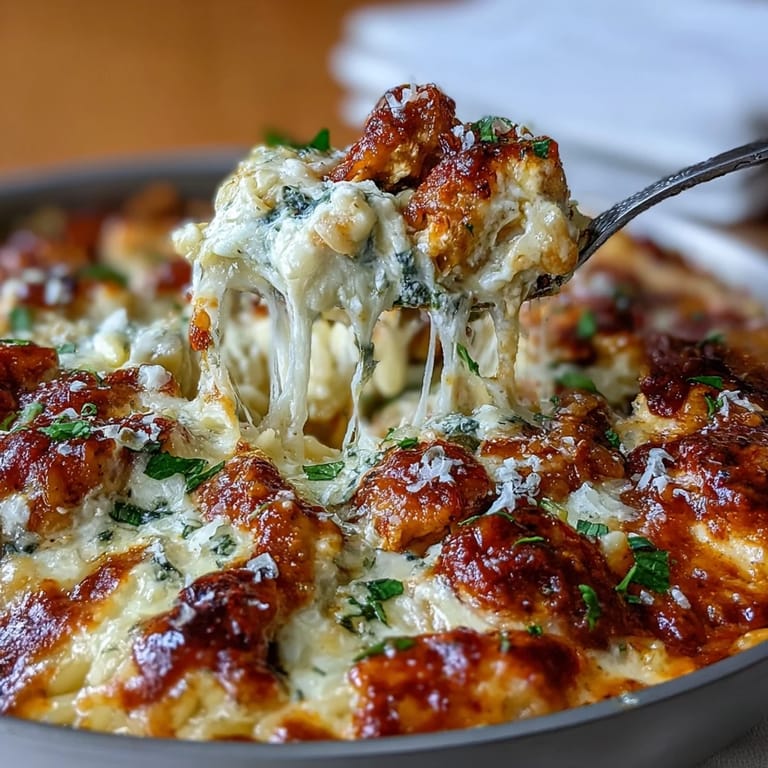
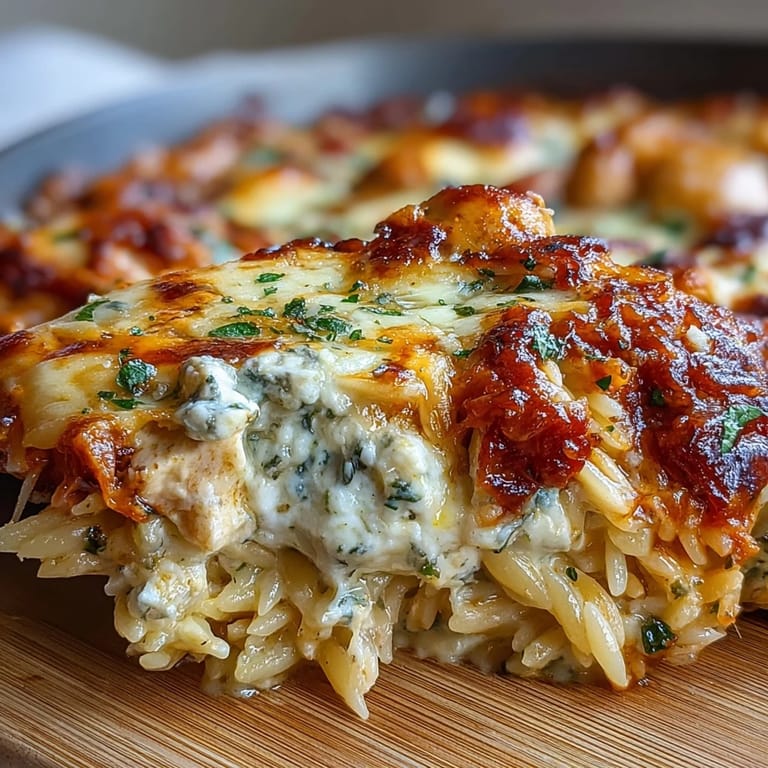
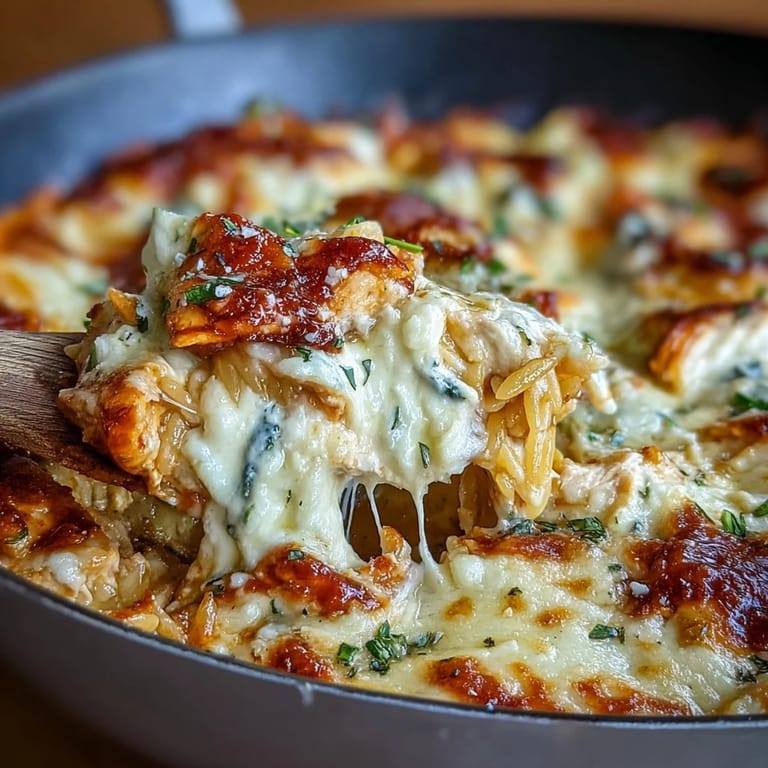
Save There's something magical about the moment when you realize you can make lasagna in a single skillet without the fuss of layering, boiling sheets, or nursing it in the oven for an hour. I discovered this while standing in my kitchen on a Tuesday evening, staring at a pound of chicken and wondering how to transform it into something that felt special without the usual production. Thirty minutes later, I had a creamy, bubbling pan of orzo that tasted like comfort but arrived at the table faster than I could set it. It became my secret weapon for weeknight dinners when I wanted something that looked like I'd actually tried.
I made this for my partner on a rainy Saturday when we were both too hungry to wait for delivery, and watching their face when they took that first bite—the way the creamy cheese clung to each tiny piece of pasta—made me realize this wasn't just a shortcut recipe, it was actually better than the traditional version in its own way. Since then, it's become the dish I reach for when friends text asking what to cook for their families, and I love how excited they sound when they tell me it was done before the garlic bread finished toasting.
Ingredients
- Olive oil: Two tablespoons is enough to build a flavorful base; don't skip this step because it's what coaxes the chicken to a golden color and sets the whole dish up for success.
- Chicken breast or thighs: Cut into bite-sized pieces so they cook evenly and integrate throughout the dish rather than sitting in chunks.
- Yellow onion and garlic: These two aromatics are your foundation, and taking the minute to chop them fine means they'll melt into the sauce instead of announcing themselves.
- Orzo pasta: This rice-shaped pasta is the secret MVP because it cooks directly in the broth and soaks up all those tomato and chicken flavors like a sponge.
- Chicken broth and crushed tomatoes: Together they create the liquid backbone; the broth keeps things rich while the tomatoes add brightness and that essential lasagna-like tang.
- Tomato paste: Just one tablespoon deepens the tomato flavor without making the sauce taste thin or watered down.
- Italian herbs: A teaspoon of the dried blend keeps this simple, but you can adjust to your taste or use fresh herbs if you have them on hand.
- Mozzarella, ricotta, and Parmesan: The ricotta is what pushes this from being a pasta dish to feeling like actual lasagna; dollop it on top so it stays creamy and luxurious instead of melting completely into the sauce.
- Fresh basil: This final garnish is non-negotiable because it adds a brightness that reminds you this is a fresh dish, not something that's been simmering for hours.
Tired of Takeout? 🥡
Get 10 meals you can make faster than delivery arrives. Seriously.
One email. No spam. Unsubscribe anytime.
Instructions
- Sear the chicken until it's just starting to turn golden:
- Heat your oil in a large deep skillet over medium heat, then add the chicken pieces and let them sit for a minute or two before you start stirring—this is how they develop that appealing color. You're not looking to cook them all the way through at this point, just getting them started so they're ready to finish in the broth.
- Build the flavor base with onion and garlic:
- Once the chicken comes out, toss the chopped onion into the same skillet and let it soften until it's just starting to turn translucent, about two minutes. Add the garlic and listen for that sizzle; when the smell hits you, you'll know you're about thirty seconds away from adding the next ingredient.
- Toast the orzo to wake it up:
- This is a small step that makes a big difference—dry pasta in a hot pan for just one minute gets nutty and fragrant, and it prevents those pieces from clumping together later. Stir it constantly so nothing catches or burns.
- Pour in all the wet ingredients and aromatics at once:
- The broth, tomatoes, tomato paste, herbs, and spices all go in together; stir everything really well so there are no paste pockets hiding at the bottom. This is your moment to taste the broth and adjust the salt and pepper because once you cover it, you've locked in the flavor.
- Return the chicken and bring everything to a simmer:
- The chicken goes back into the pan along with any juices that collected on the plate—these are liquid flavor, so don't waste them. Watch for the mixture to start bubbling gently around the edges, then cover and reduce to a simmer.
- Cook covered, stirring occasionally, until the orzo is almost tender:
- This takes about nine to eleven minutes depending on your skillet and stove; you'll know it's close when most of the liquid has been absorbed and the pasta is soft but still has a little bite. Stir every couple of minutes so nothing sticks to the bottom.
- Stir in the mozzarella and Parmesan while the heat is low:
- You're creating a creamy sauce here, so do this gently and keep the heat low—high heat will make the cheese separate and look broken. Once it melts and looks silky, you're ready for the next step.
- Dollop ricotta over the top and crown it with remaining mozzarella:
- Don't stir this in; let it sit on top like clouds, then cover for two to three more minutes so the cheese gets melty and warm. This is the visual moment that makes people think you spent hours on this.
- Remove from heat and scatter fresh basil across the top:
- The heat of the pan will warm the basil just enough to release its perfume without cooking it completely away. Serve while everything is still warm and creamy, with extra basil on the side for anyone who wants more.
 Save
Save There was this moment last week when someone tasted this and said it felt like cheating because it was so good and so easy, and I realized that's the whole point. This dish proves that shortcuts don't have to mean shortcuts on flavor or care.
Why One Pan Changes Everything
The beauty of cooking everything in one vessel is that every element gets to know every other element—the chicken absorbs the tomato-broth, the orzo picks up the chicken juices, and the cheese gets to mingle with all those flavors instead of sitting on top as an afterthought. You're not just assembling components; you're creating a conversation where each ingredient supports the others. Plus, there's something deeply satisfying about watching a simple skillet become a complete meal without any intermediate steps or hidden pans.
The Ricotta Moment
The ricotta is what separates this from being just another one-pot pasta and transforms it into something that actually tastes like lasagna. When you dollop it on top instead of stirring it in, it stays creamy and cloud-like, creating little pockets of richness as you eat. I learned this by making the mistake of mixing it all together the first time, and the result was flat and one-note—now I know better, and that layer of ricotta is non-negotiable.
Variations and Flexibility
This recipe is forgiving in ways that make it feel less like a rigid formula and more like a starting point for whatever's in your kitchen. I've made it with ground turkey when I had that on hand, and once when my friend was visiting and wanted vegetarian, I sautéed mushrooms instead of chicken and used vegetable broth, and honestly it was just as delicious. The structure stays the same even when the main ingredient changes, which is the hallmark of a truly useful recipe.
- Ground turkey or Italian sausage work beautifully if you want a different protein, and you can brown them right at the beginning just like the chicken.
- For vegetarian, mushrooms or spinach sautéed until they release their moisture replace the chicken perfectly, and vegetable broth keeps the flavor warm and complete.
- If you're feeding someone who's sensitive to dairy, a version using cashew cream instead of ricotta would give you that same creamy-luxe feeling.
 Save
Save This is the kind of recipe that quietly becomes part of your regular rotation because it's reliable, genuinely delicious, and makes you feel capable in the kitchen. Keep it close.
Recipe FAQs
- → Can I make this vegetarian?
Absolutely. Simply omit the chicken and swap the chicken broth for vegetable broth. Add sautéed mushrooms, spinach, or zucchini for extra substance and flavor.
- → What can I substitute for orzo pasta?
Small pasta shapes like ditalini, small shells, or even broken spaghetti pieces work well. Rice would change the dish significantly but could work in a pinch.
- → How do I prevent the orzo from sticking to the pan?
Stir occasionally while simmering and ensure there's enough liquid in the pan. The sauce should be slightly brothy while cooking—it will thicken as the orzo absorbs liquid.
- → Can I use different cheeses?
Yes. Fontella or provolone can replace mozzarella. Mascarpone or cottage cheese work instead of ricotta. Just keep the total cheese amounts roughly the same.
- → How should I store leftovers?
Store in an airtight container in the refrigerator for up to 3 days. Reheat gently with a splash of water or broth to restore creaminess.
- → Can I freeze this dish?
It's best enjoyed fresh, but you can freeze it for up to 2 months. The texture may change slightly—the orzo absorbs more liquid as it freezes.