 Save
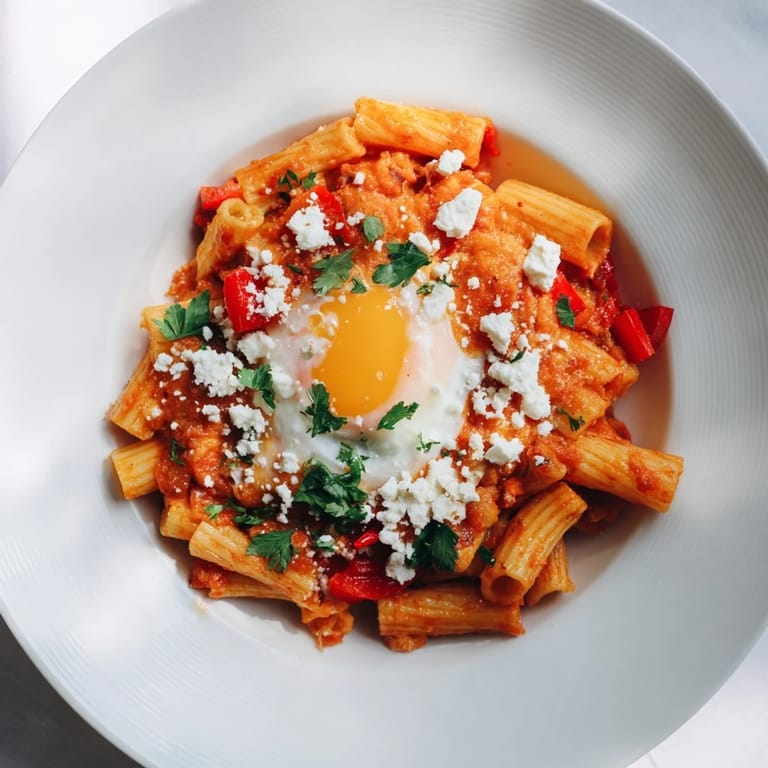
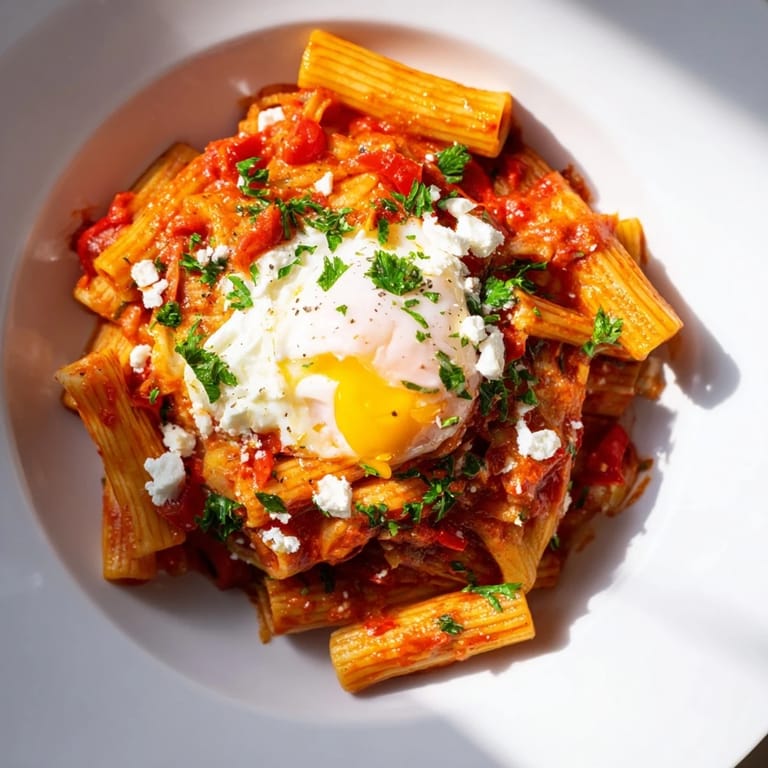
Save I discovered this dish on a Tuesday night when my fridge was nearly empty except for a can of tomatoes and four eggs. My partner was coming over for dinner, and instead of ordering takeout, I started building layers of flavor—first the onions and peppers hitting the hot oil with that immediate sizzle, then the spices blooming into something almost intoxicating. By the time the sauce was bubbling away, I'd already decided this was going to be something special, even if I was essentially improvising. The eggs cracked into those wells felt like the final flourish, and watching the yolks stay gloriously runny while the whites set firm felt like small magic on a weeknight.
I made this for friends who were always talking about trying shakshuka but felt intimidated by it, and watching them taste it was worth every minute. Their relief was palpable—here was this restaurant-quality dish emerging from my kitchen in the time it takes to watch an episode of something. One friend went back for seconds and asked if the secret was the smoked paprika, and honestly, she wasn't wrong.
Ingredients
- Penne or rigatoni, 300 g: The tube shape catches the sauce in all those little pockets, so you get flavor in every bite instead of sauce sliding off.
- Olive oil, 2 tbsp: This is where the warmth starts—use something you actually like the taste of, because it's doing real work here.
- Medium onion, finely chopped: Don't skip the chopping; finer pieces dissolve into the sauce and build a sweeter base layer.
- Red bell pepper, diced: The sweetness balances the heat and spice, plus it softens into something almost jammy if you give it time.
- Garlic cloves, 3 minced: Add it after the onions and peppers or it burns; that bitter char ruins everything you've worked for.
- Ground cumin, 1 tsp: This is the spice that makes people ask what that mysterious flavor is—it's earthy and warm without being overpowering.
- Smoked paprika, 1 tsp: It gives the whole dish a depth that feels like it's been simmering for hours, even though it hasn't.
- Chili flakes, 1/4 tsp optional: Start small and taste as you go; heat is personal, and you can always add more but you can't take it back.
- Crushed tomatoes, 1 can 400 g: Canned is honestly better here than fresh; the acidity and consistency are already balanced for you.
- Tomato paste, 1 tbsp: This concentrated depth is what keeps the sauce from tasting thin or watery, so don't leave it out.
- Sugar, 1/2 tsp: A tiny pinch rounds out the acidity in the tomatoes and makes everything taste more harmonious.
- Salt and black pepper to taste: Taste as you build the sauce; seasoning in layers means it all melds together instead of feeling sharp at the end.
- Large eggs, 4: The yolks are the whole point here, so if they're not from chickens you trust, adjust your expectations a little.
- Fresh parsley or cilantro, 2 tbsp chopped: Cilantro brings something bright and almost floral if you're into that; parsley is classic and more forgiving.
- Feta cheese, crumbled optional: It adds a salty creaminess that echoes the richness of the yolks, but it's not required.
Tired of Takeout? 🥡
Get 10 meals you can make faster than delivery arrives. Seriously.
One email. No spam. Unsubscribe anytime.
Instructions
- Start the water:
- Bring a large pot of salted water to a boil while you prep everything else. Salt it generously so the pasta tastes like something from the start, not like you're seasoning it later.
- Cook the pasta:
- Stir it a few times so nothing sticks to the bottom, and fish out a piece a minute before the package says it's done to check for that al dente bite. Reserve about half a cup of the starchy water before you drain it; that liquid is your secret weapon for making everything silky.
- Build the base:
- Heat olive oil in a large skillet over medium heat until it shimmers, then add onion and pepper. You'll know it's working when the kitchen starts smelling sweet and the vegetables begin to soften, which takes about five minutes of gentle stirring.
- Bloom the spices:
- Add garlic, cumin, paprika, and chili flakes, and stir constantly for about a minute—this is when everything becomes fragrant and the spices lose their raw edge. If you skip this step, the spices taste dusty and separate instead of woven in.
- Build the sauce:
- Pour in crushed tomatoes, tomato paste, and sugar, then season carefully with salt and pepper. Let it bubble away for eight to ten minutes, stirring now and then; the sauce will thicken and darken slightly, and the flavors will start tasting like they belong together instead of like individual ingredients.
- Make the wells:
- Using the back of a spoon, create four shallow indentations in the sauce, spacing them out so they're not too close together. Crack one egg into each well, trying to keep the yolk intact and centered.
- Cook the eggs:
- Cover the skillet with a lid and reduce heat to medium-low, then cook until the egg whites turn opaque and set but the yolks still jiggle when you gently shake the pan, which takes four to six minutes. Peek after four to check; every stove is different, and you don't want to overcook the yolks.
- Bring it all together:
- Add the cooked pasta to the skillet and gently fold and toss it into the sauce, using two utensils so you don't break the eggs. If it looks a little thick or sticky, add some of that reserved pasta water a splash at a time until everything feels loose and saucy.
- Finish and serve:
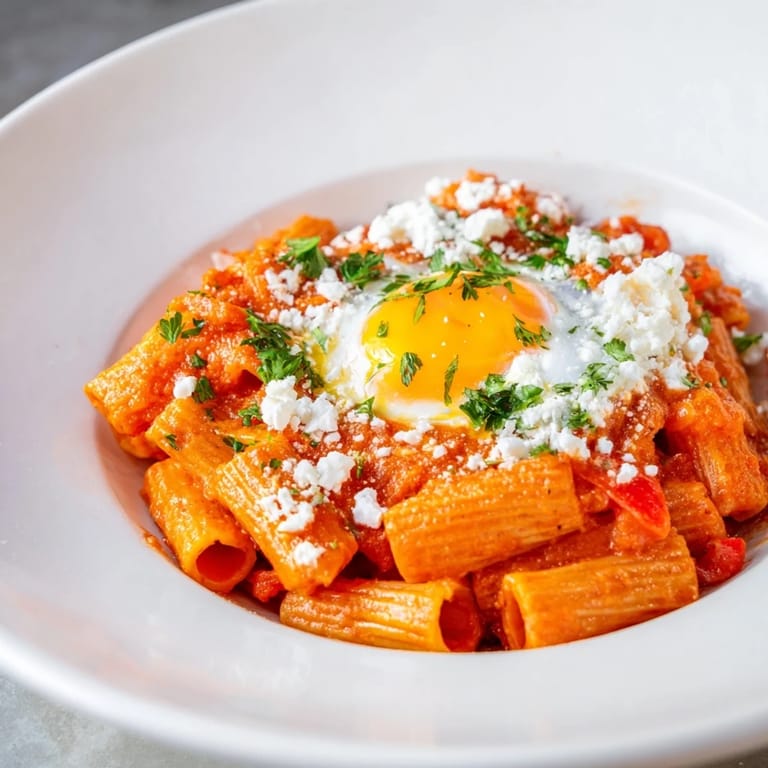
- Scatter fresh herbs and feta over the top, then divide everything between bowls, making sure each person gets an egg. Serve right away while the sauce is still hot and the yolks haven't started to cool.
 Save
Save There's a moment, right when you cover the skillet and the steam starts fogging up the lid, where you realize this dish has stopped being about efficiency and started being about something almost meditative. Time slows down in that small waiting period, and when you lift the lid to find those perfect eggs surrounded by sauce, it feels like you've created something intentional and real.
Why This Dish Works
The genius of shakshuka is that it's humble enough to make on a Tuesday but confident enough to serve to people you want to impress. The sauce does the heavy lifting with its depth and warmth, while the eggs and pasta simply amplify everything without competing. There's no complicated technique, no specialized equipment beyond what most people already have, and yet somehow the result tastes like you've spent hours thinking about every detail.
Variations Worth Trying
Once you've made this a few times and feel comfortable with the basic rhythm, the dish opens up in interesting ways. You can swap the red pepper for roasted red peppers if you want less preparation, use orzo or broken spaghetti if you prefer smaller pasta shapes, or even swap feta for a dollop of sour cream stirred in at the very end. Some nights I add a handful of spinach right before the eggs so it wilts into the sauce, and other times I've stirred in a few spoonfuls of hummus for creaminess. The bones of the dish are strong enough that they support whatever your kitchen has on hand.
Cooking Tips That Actually Matter
The biggest mistake I see people make is rushing the sauce, as if the tomatoes and spices will taste better if you hurry them along. They won't. Those eight to ten minutes of simmering aren't padding; they're when the sauce transforms from separate ingredients into something unified and deep. The second thing is overcooked yolks, which defeats the entire purpose of this dish—if you're worried, start checking at the four-minute mark and remember that the residual heat keeps cooking them even after you've lifted the lid.
- Taste the sauce before you add the pasta and eggs, and adjust salt and heat at that point; it's your last chance to fix things without fishing them out.
- If you're cooking for someone with a runny-yolk aversion, you can cook their egg a minute or two longer without ruining the whole dish, or just fry an egg separately and lay it on top instead.
- Leftover sauce keeps in the fridge for a few days and is incredible over toast, with roasted vegetables, or even straight from a spoon when you're standing in front of the open fridge at midnight.
 Save
Save This is the kind of dish that reminds you why home cooking matters—it's quick enough to feel manageable but interesting enough to feel intentional. Once you understand how it works, you'll find yourself making it again and again, each time slightly differently, each time tasting like home.
Recipe FAQs
- → How do I achieve runny yolks while cooking eggs in the sauce?
Cook the eggs covered on low heat for 4–6 minutes, until the whites are set but the yolks remain soft and runny.
- → Can I use different pasta types for this dish?
Yes, penne or rigatoni work best to hold the sauce, but any short pasta with ridges can be substituted.
- → What can I add for extra heat without overpowering the dish?
Adjust chili flakes to taste or add a pinch of cayenne powder for a subtle spicy kick.
- → Is it possible to make the sauce creamier?
Adding reserved pasta water gradually while tossing the pasta into the sauce enhances creaminess without heaviness.
- → How can I adapt this for dairy-free diets?
Simply omit the crumbled feta or replace it with a plant-based cheese alternative.