 Save
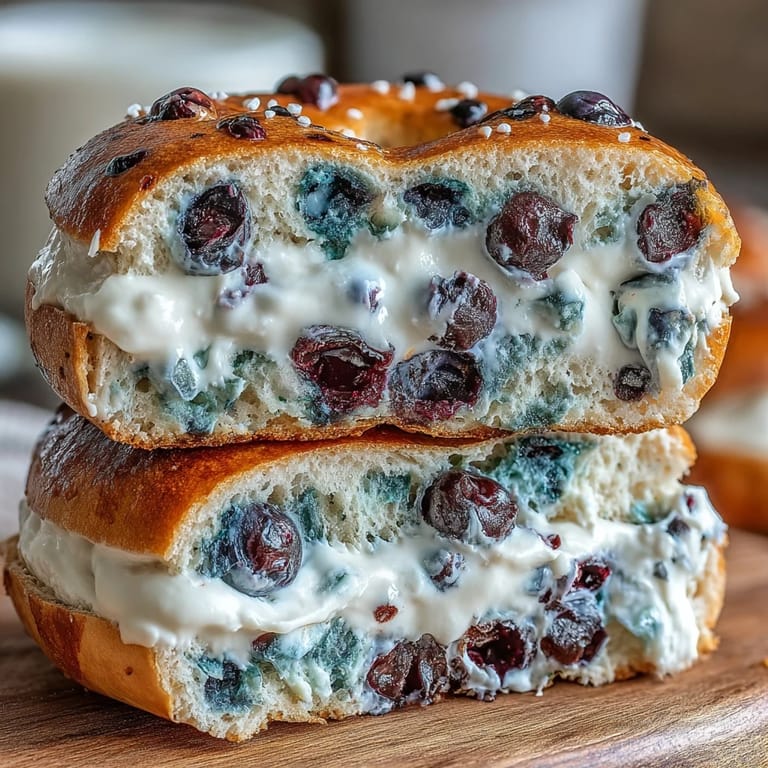
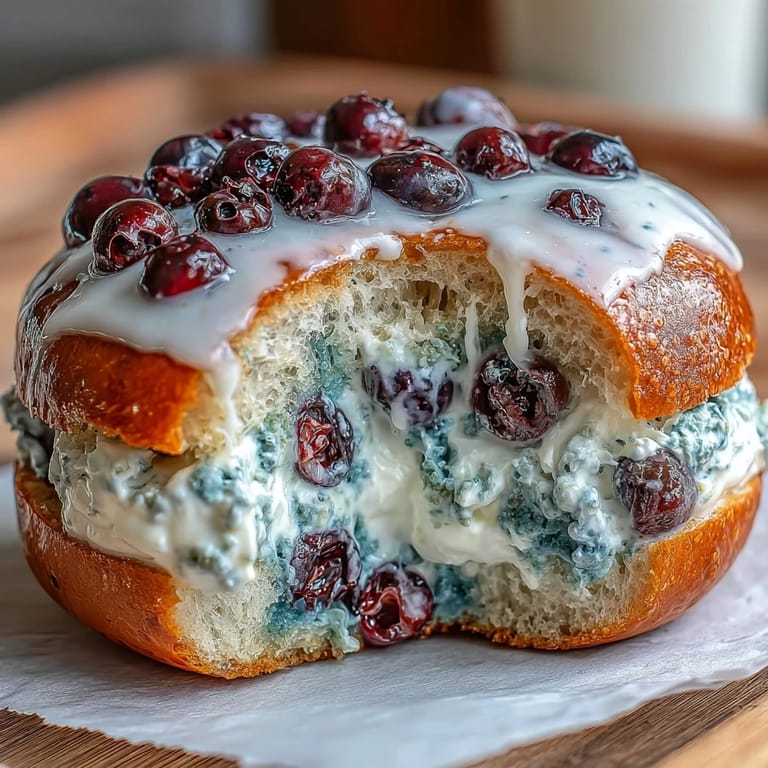
Save There's something quietly magical about the moment blueberries burst in your mouth while biting into warm, chewy bagel dough. I stumbled onto this recipe on a Tuesday morning when my usual grocery haul left me with Greek yogurt, protein powder, and a pint of blueberries that needed rescuing. What started as an experiment—could I make bagels that actually felt substantial enough for my post-workout breakfast?—turned into something I now make almost every weekend. The tart frosting against the slightly sweet dough with those pockets of jammy fruit feels indulgent in a way that's somehow still good for you.
I'll never forget bringing these to my book club and watching my friend Sarah bite into one expecting the typical dense protein bagel situation, then actually pause mid-chew with genuine surprise. She asked for the recipe before she'd even finished eating, which doesn't happen often. Now whenever I show up with these, there's this collective exhale of relief—everyone knows it means real, satisfying breakfast, not the obligatory health food nobody actually wants.
Ingredients
- Bread flour: Use bread flour instead of all-purpose—it develops gluten better and gives you those chewy bagel strands you're after.
- Unflavored whey protein powder: The unflavored part is non-negotiable; flavored versions will taste like you're eating a gym smoothie in bread form.
- Instant dry yeast: Make sure it's fresh; old yeast won't give you that beautiful rise and airy crumb.
- Warm water (110°F / 43°C): Too hot kills the yeast, too cold and nothing happens—use a thermometer if you have one, or test it on your inner wrist like you're checking a baby's bottle.
- Fresh or frozen blueberries: Frozen is actually better here because they stay whole and create little flavor pockets instead of turning your dough blue.
- Neutral oil: This helps the dough stay supple and prevents it from drying out during kneading.
- Honey or maple syrup in the boil: This adds a subtle sweetness to the bagel exterior and helps them brown beautifully.
- Baking soda in the water bath: This is what makes the outside dense and chewy; skip it and you'll have bread-shaped disappointment instead of true bagels.
- Greek yogurt: Full-fat tastes richer, but 2% works fine if that's what you have; plain is essential.
- Powdered sugar: Just enough sweetness so the frosting doesn't taste sour—add it gradually and taste as you go.
Tired of Takeout? 🥡
Get 10 meals you can make faster than delivery arrives. Seriously.
One email. No spam. Unsubscribe anytime.
Instructions
- Mix your dry ingredients:
- In a large bowl, whisk together the flour, protein powder, sugar, yeast, and salt. This distributes the yeast evenly so you get consistent rising, and mixing the protein powder with flour prevents clumpy pockets later.
- Bring the dough together:
- Pour warm water and oil into the center of your dry ingredients and stir with a spoon until everything comes together into a shaggy, sticky mess. You'll think it looks wrong—that's exactly right.
- Knead it smooth:
- Flip this onto a lightly floured surface and knead for 8 to 10 minutes until the dough becomes smooth, elastic, and springs back when you poke it. Your shoulders might get tired; that's fine, it means it's working.
- Add the blueberries gently:
- Knead in your frozen (not thawed) blueberries until they're scattered throughout without breaking apart. This takes patience—rushing means purple-stained dough instead of beautiful pockets of fruit.
- Let it rise:
- Pop the dough in a greased bowl, cover it loosely with plastic wrap or a damp towel, and leave it in a warm corner of your kitchen for 45 minutes. You're looking for it to roughly double in size; if your kitchen is cold, it might take closer to an hour.
- Shape into bagels:
- Punch down the dough (this is oddly satisfying), divide it into 6 pieces, and roll each into a ball. Poke a hole in the center with your thumb or a wooden spoon handle, then stretch it gently into a bagel shape about 3 inches across.
- Boil them briefly:
- Bring your water bath (with honey and baking soda) to a rolling boil. Working one or two at a time, boil each bagel for 45 seconds per side—this creates that signature chewy exterior.
- Bake until golden:
- Transfer boiled bagels to a parchment-lined baking sheet and bake at 375°F for 20 to 25 minutes until the tops turn golden brown. The kitchen will smell incredible.
- Cool completely:
- Let bagels rest on a wire rack until they're completely cool before frosting; warm bagels will melt the frosting into a puddle.
- Make the frosting:
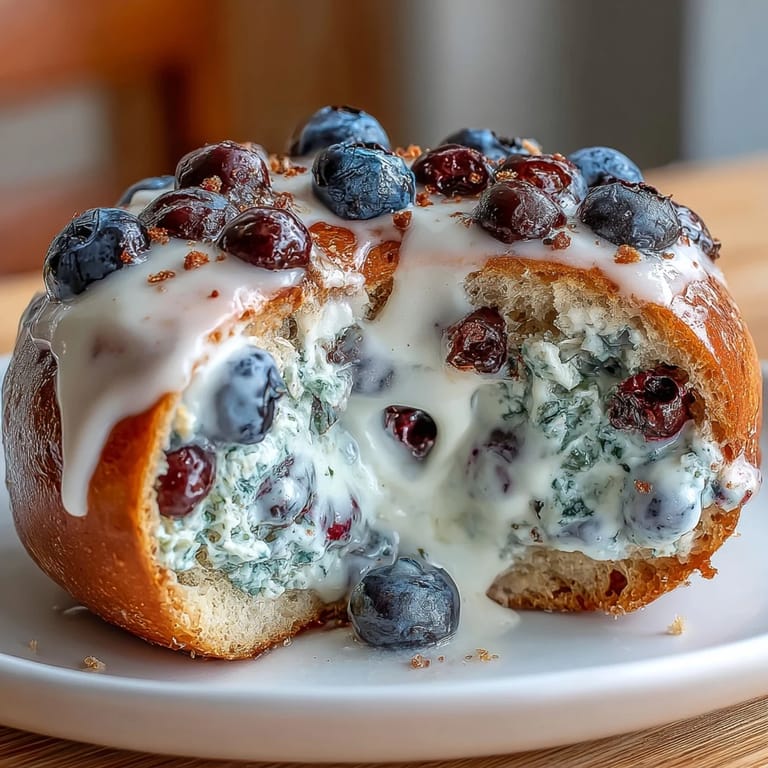
- While bagels cool, whisk Greek yogurt, powdered sugar, and vanilla until smooth and spreadable. Taste it and add more sugar if you want it sweeter.
- Frost and serve:
- Spread or pipe frosting onto cooled bagels right before eating for the best texture contrast between creamy and chewy.
 Save
Save There was this one morning last month when my nephew came downstairs, smelled these bagels toasting, and asked if he could eat breakfast here more often. That's when I realized these had moved beyond being just a good protein option—they'd become something people actually wanted to wake up for. It's a small thing, but it's everything.
Why the Water Bath Matters
The boiling step is what transforms these from dense, bread-like dough into actual bagels with that distinctive chewy-but-not-cakey texture. The baking soda in the water gelatinizes the outside of the dough, creating a thin, slightly tough exterior that gives way to soft, stretchy crumb. I learned this the hard way by skipping it once, which resulted in something that looked like a bagel but chewed like a hockey puck. Now I treat the boil with the same respect I would treat a professional bakery procedure, because essentially, that's what it is.
Making Them Ahead
The beauty of this recipe is that you can bake and freeze the unfrosted bagels for up to a week, then frost them the morning you want to eat them. I usually make a double batch on Sunday, wrap the cooled bagels individually in plastic wrap, and stack them in a freezer bag. To reheat, just pop one in the toaster oven for a few minutes until warm through, then add fresh frosting. This means you can have fresh-tasting breakfast bagels ready whenever you need them, which honestly changes the game on hectic mornings.
Customizing the Frosting and Toppings
The vanilla frosting is classic, but this is where you can get creative depending on your mood and what's in your pantry. A tiny pinch of lemon zest makes it brighter, or you could stir in a teaspoon of honey for more sweetness. Some mornings I add a sprinkle of lemon zest on top, and other times I just keep it simple. The frosting is tangy enough that it doesn't need much, but the customization possibilities are endless.
- Stir lemon zest into the frosting for brightness, or sprinkle it on top after spreading.
- Add an extra tablespoon of protein powder to the frosting if you want even more protein per bagel.
- Toast the bagels before frosting for a warm, chewy interior contrasted with crispy edges.
 Save
Save These bagels have become my answer to that 3 p.m. slump when I need something substantial enough to actually keep me full, but not so heavy that it makes me sluggish. They're proof that healthy food doesn't have to taste like punishment.
Recipe FAQs
- → How do the protein powder and blueberries affect the texture?
The protein powder adds a slightly denser, chewier texture while the blueberries provide bursts of fresh juiciness, balancing softness and elasticity.
- → What is the purpose of boiling the bagels in water with honey and baking soda?
Boiling firms the exterior to create a chewy crust and helps develop the classic bagel shine and texture, while honey adds a subtle sweetness.
- → Can frozen blueberries be used without thawing?
Yes, frozen blueberries can be mixed directly into the dough to prevent excess moisture that might affect rise and texture.
- → How is the Greek yogurt frosting made creamy and tangy?
Combining plain Greek yogurt with powdered sugar and vanilla extract creates a smooth frosting with a subtle tartness that complements the bagels' flavor.
- → What is the best way to store these bagels to keep freshness?
Store unfrosted bagels in an airtight container at room temperature for up to three days; apply frosting just before serving.
- → Can the frosting be enriched with additional protein?
Yes, adding protein powder to the frosting intensifies the protein content and adds richness without affecting smoothness.