 Save
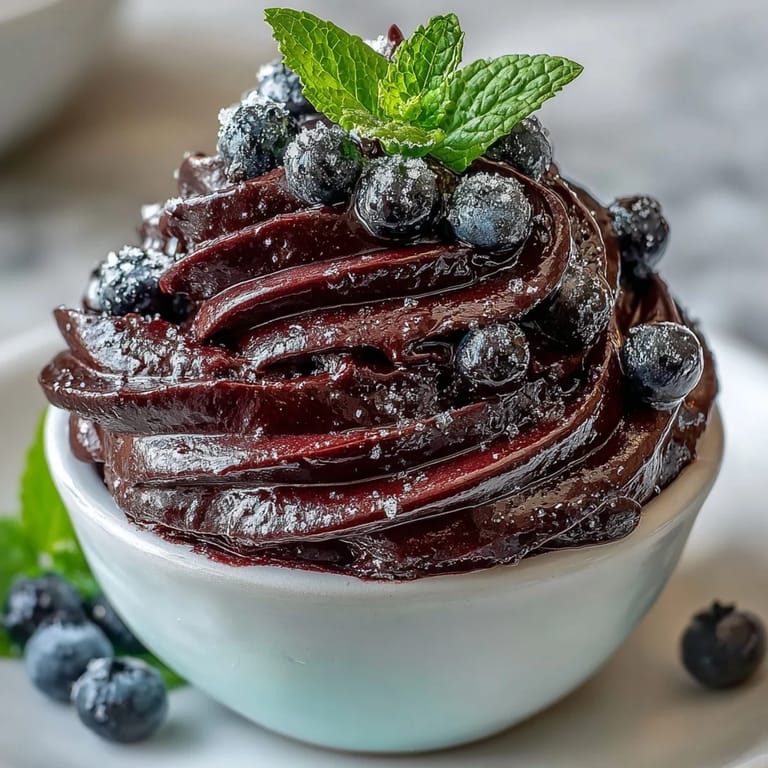
Save Black currant frosting found me during a gray London afternoon when a local bakery's window display stopped me mid-walk. Their petit fours gleamed with a deep purple-black glaze that tasted simultaneously tart and luxurious—nothing like the one-note sweetness I'd made before. That day, I decided to chase that complexity in my own kitchen, learning that the best frostings whisper rather than shout.
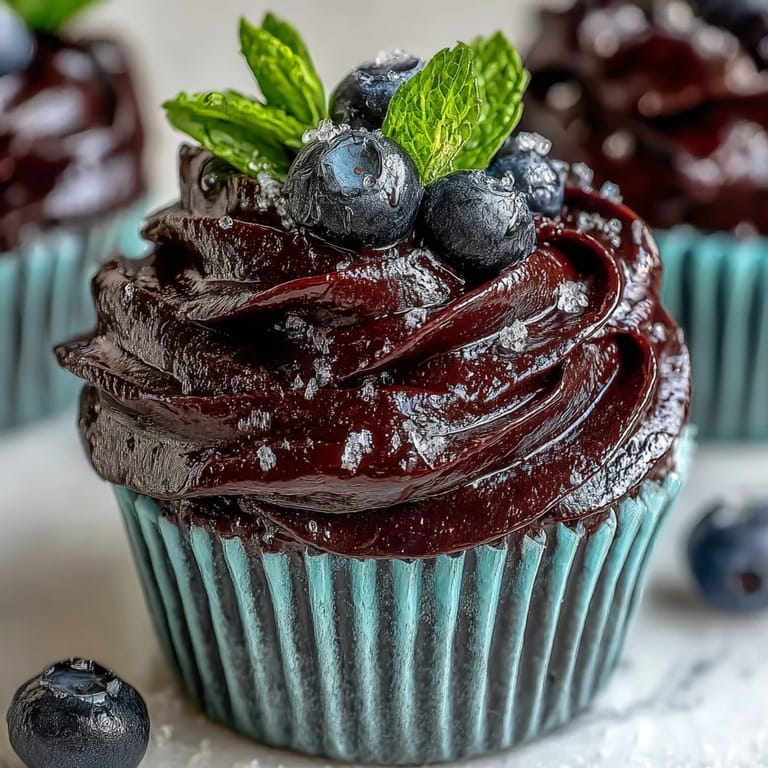
I made this for my sister's birthday brunch last spring, piping it onto vanilla cupcakes while she set the table outside. When her friend took a bite and closed her eyes, I realized frosting could be a conversation starter—she spent ten minutes asking what made it taste so different from anything she'd had before. That's the moment I knew this recipe was worth keeping.
Ingredients
- Black currant jam or preserves: This is your flavor foundation, so choose quality jam with real fruit taste—seedless works best unless you enjoy straining, which I learned the hard way after my first batch looked grainy.
- Water: Just enough to loosen the jam into a pourable consistency without diluting the flavor.
- Unsalted butter, softened: Room temperature butter creams properly; cold butter stays lumpy no matter how long you beat it, so plan ahead.
- Powdered sugar, sifted: Sifting removes clumps and aerates, making the frosting smooth instead of gritty—this step genuinely matters.
- Vanilla extract: A whisper of vanilla rounds out the tartness without competing with the black currants.
- Salt: A tiny pinch amplifies the currant flavor and keeps sweetness from feeling flat.
- Lemon juice (optional): Add this if your jam tastes muddled or one-dimensional; it brightens everything instantly.
- Fresh black currants for garnish: A few berries on top turn a cupcake into a statement.
Tired of Takeout? 🥡
Get 10 meals you can make faster than delivery arrives. Seriously.
One email. No spam. Unsubscribe anytime.
Instructions
- Warm and cool the jam:
- Pour jam and water into a small saucepan and stir over low heat until it softens into a glossy liquid, about two to three minutes. You're not cooking it; you're just loosening it enough to blend smoothly with butter later. Let it cool completely—warm jam will melt your frosting into a puddle.
- Cream the butter:
- Beat softened butter on medium speed for two to three minutes until it's pale and fluffy, almost cloud-like. This aeration is what makes the frosting light instead of dense and greasy.
- Build in the sugar gradually:
- Add sifted powdered sugar in batches, beating on low speed after each addition so you don't create a sugar explosion. The gradual approach prevents lumps and ensures even incorporation.
- Add vanilla and salt:
- Mix in vanilla extract and salt, beating just until combined. These enhance rather than dominate.
- Fold in the cooled currant mixture:
- Pour the completely cooled black currant mixture into the butter-sugar base and beat until the color is even and the frosting feels silky. Scrape down the bowl as you go to catch any butter hiding at the edges.
- Brighten if needed:
- Taste and add lemon juice if the frosting tastes flat or one-dimensional—sometimes jam needs a little lift to sing. Beat it in completely.
- Chill if necessary:
- If the frosting feels too soft to pipe or spread, refrigerate for ten to fifteen minutes until it firms up slightly. You want it spreadable, not runny.
- Frost and garnish:
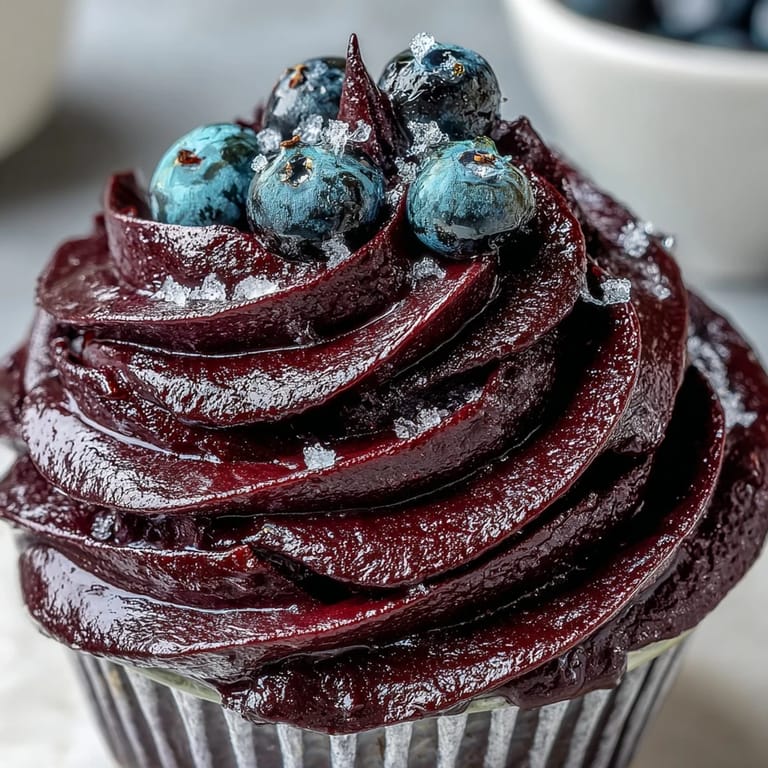
- Apply to cooled cakes or cupcakes with an offset spatula or piping bag, and crown with fresh black currants if you have them. The berries add flavor and make people stop before they eat it just to admire it first.
 Save
Save My neighbor came over one afternoon and saw this frosting in my piping bag—the color alone made her curious. After frosting a cupcake together and tasting it, she asked if I could make it for her daughter's wedding. That moment taught me that good food creates unexpected connections.
Consistency is Everything
The texture of black currant frosting walks a fine line between spreadable and stable. Too soft and it slumps on warm cakes; too stiff and it tears the cake surface as you work. Temperature matters more than you'd think—a kitchen that's seventy degrees will behave differently from one that's eighty. I learned to keep mine in the fridge on hot days and at room temperature on cooler ones, checking the consistency before I start frosting. If it feels off, a few minutes in the cold or a quick re-whip fixes almost everything.
Pairing This Frosting with Cakes
Black currant frosting has strong opinions about what it wants to sit on top of. Vanilla cake is the obvious choice—neutral enough to let the frosting shine without competing. Lemon cake amplifies the tartness in a beautiful way, especially if you added lemon juice to the frosting. Chocolate cake creates an unexpected sophistication; the earthiness balances the currant's brightness. I've even used it on almond cakes, where the nuttiness and tartness create something close to magic. Think about what flavor journey you want before you choose your cake.
Storage and Second Life
This frosting is forgiving if you need to make it ahead. At room temperature, it lasts a day before it starts to look tired; refrigerated, it keeps for five days and actually improves slightly as flavors meld. The only catch is that cold frosting becomes stiff—always bring it back to room temperature and re-whip it for thirty seconds before using, otherwise it tears cakes instead of gliding across them. I've also found that leftover frosting makes an exceptional filling between layers of plain cookies or a swirl into plain yogurt when you want something sweet without commitment.
- Cover frosting tightly to prevent it from absorbing fridge smells or drying out.
- If it separates after storage, whip it again on low speed—the texture returns within a minute.
- Frozen frosting lasts up to a month and thaws beautifully if you're planning ahead for busy weeks.
 Save
Save This frosting became my secret weapon for turning simple cakes into moments people remember. There's something about that deep purple color and the way it tastes slightly tart that makes people pause and actually pay attention.
Recipe FAQs
- → Can I use fresh black currants instead of jam?
Fresh black currants can be cooked down with sugar to create a homemade reduction, but using quality jam or preserves saves time and provides consistent flavor. If using fresh berries, simmer them with a tablespoon of sugar until broken down and thickened, then strain before cooling and incorporating into the frosting base.
- → How do I store leftover frosting?
Keep the frosting covered at room temperature for up to one day, or refrigerate in an airtight container for up to five days. When ready to use chilled frosting, let it come to room temperature and re-whip with an electric mixer to restore the creamy texture before spreading or piping.
- → Why is my frosting too soft or runny?
Soft frosting usually results from overly warm butter or excessive liquid from the fruit reduction. Chill the bowl for 10-15 minutes to firm it up, or gradually incorporate more sifted powdered sugar until you reach the desired consistency. For future batches, ensure the black currant mixture has cooled completely and measure liquids precisely.
- → What cakes pair best with this frosting?
The tartness of black currants complements vanilla and lemon cakes beautifully, cutting through sweetness with bright acidity. Chocolate also creates a sophisticated flavor combination when paired with the fruity notes. The frosting works equally well on pound cake, sponge layers, or as a filling for macarons and sandwich cookies.
- → Can I make this frosting ahead of time?
Yes, prepare the frosting up to three days in advance and store it in the refrigerator. The flavors often develop and meld more intensely after resting. Bring to room temperature and re-whip before using. The black currant reduction can also be made separately and kept refrigerated for up to a week.
- → How do I achieve a vibrant purple color?
The natural purple hue comes from the concentrated black currant reduction. Using seedless jam or straining the mixture after cooking ensures a smooth, consistent color. Avoid adding food coloring—let the berries provide the beautiful shade naturally. The intensity may vary slightly depending on the brand of jam used.