 Save
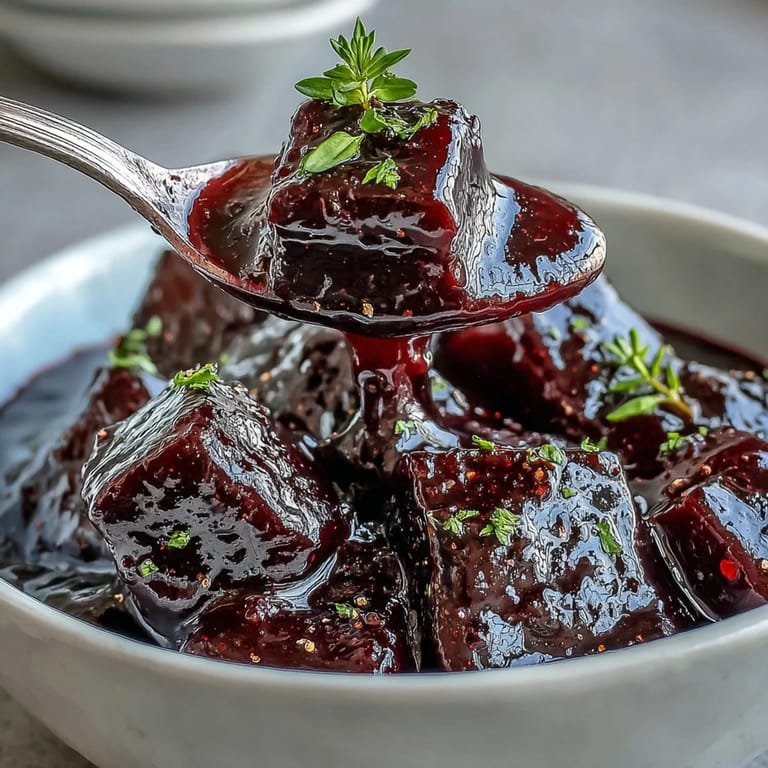
Save I discovered black currant reduction quite by accident while hunting for something to rescue an oversalted duck breast. A friend had left a bag of frozen black currants on my counter, and instead of tossing them, I decided to build a sauce around their tart, almost mysterious flavor. What emerged was nothing short of magic—deep, wine-dark, and sophisticated enough to make even a modest roasted chicken feel like restaurant food. Now it's become my secret weapon whenever I need to elevate something simple into something memorable.
The first time I served this to people who actually knew food, I watched their faces light up when they tasted it—that moment when someone pauses mid-chew, surprised by a flavor they weren't expecting. One guest asked if I'd studied French cooking, and I had to laugh and admit it was born from desperation and frozen berries. That night taught me that sometimes the best dishes come from constraints rather than grand plans, and that deep, complex flavors don't require complicated techniques.
Ingredients
- Fresh or frozen black currants (1 cup, 150 g): These are the heart of the sauce, offering a tart-sweet depth that regular berries can't match; frozen ones work beautifully and are often easier to find than fresh.
- Dry red wine (1 cup, 240 ml): Choose something you'd actually drink, as the flavor concentrates—cheap wine makes for a cheap-tasting sauce.
- Chicken or vegetable stock (1/2 cup, 120 ml): This adds body without overwhelming the delicate fruit flavors, so don't skip it or use bouillon cubes.
- Balsamic vinegar (2 tbsp, 30 ml): The secret to balancing sweetness with a subtle tang; a good balsamic makes all the difference in the final taste.
- Shallot, finely chopped (1 small): More refined than onion, it dissolves into the sauce and adds aromatic sweetness without any harsh bite.
- Fresh thyme sprig and bay leaf: These gentle herbs whisper rather than shout, adding complexity that keeps people guessing about your technique.
- Granulated sugar (2 tbsp, 25 g): Use this to balance the wine's acidity, but taste as you go because you can always add more.
- Freshly ground black pepper and fine sea salt (1/4 tsp each): Freshly ground pepper makes a real difference here, blooming subtly against the dark fruit.
- Cold unsalted butter, cubed (2 tbsp, 30 g): This finishing touch transforms a good sauce into a glossy, restaurant-quality one that clings to meat beautifully.
Tired of Takeout? 🥡
Get 10 meals you can make faster than delivery arrives. Seriously.
One email. No spam. Unsubscribe anytime.
Instructions
- Start with the aromatics:
- Melt a tablespoon of butter in your saucepan over medium heat and let the chopped shallot soften for 2 to 3 minutes, listening for that subtle sizzle and watching for it to turn translucent. This gentle beginning builds flavor without burning anything, which is easier than it sounds.
- Build the sauce body:
- Add the black currants, red wine, stock, balsamic vinegar, thyme, bay leaf, sugar, salt, and pepper all at once, stirring until everything is combined. The mixture will look loose and a bit chaotic, but trust the process.
- Let it reduce:
- Bring everything to a gentle boil, then lower the heat and simmer uncovered for 15 to 20 minutes, stirring occasionally. You'll notice the liquid darkening and thickening, and eventually it should reduce by about half—this is where the magic happens.
- Strain for silkiness:
- Pour the sauce through a fine mesh strainer into a clean pot, pressing the currants and solids with the back of a spoon to extract every last bit of flavor. Don't rush this step; the pressure releases all the concentrated juice trapped in the fruit.
- Mount with butter:
- Return the strained sauce to low heat and whisk in the cold butter cubes one at a time, watching as each piece melts and transforms the sauce into something glossy and luxurious. This final step is what separates a good sauce from one that feels truly special.
- Taste and finish:
- Taste it now and adjust the seasoning or add more vinegar if you want extra sharpness. Serve warm, and watch it cascade beautifully over your plate.
 Save
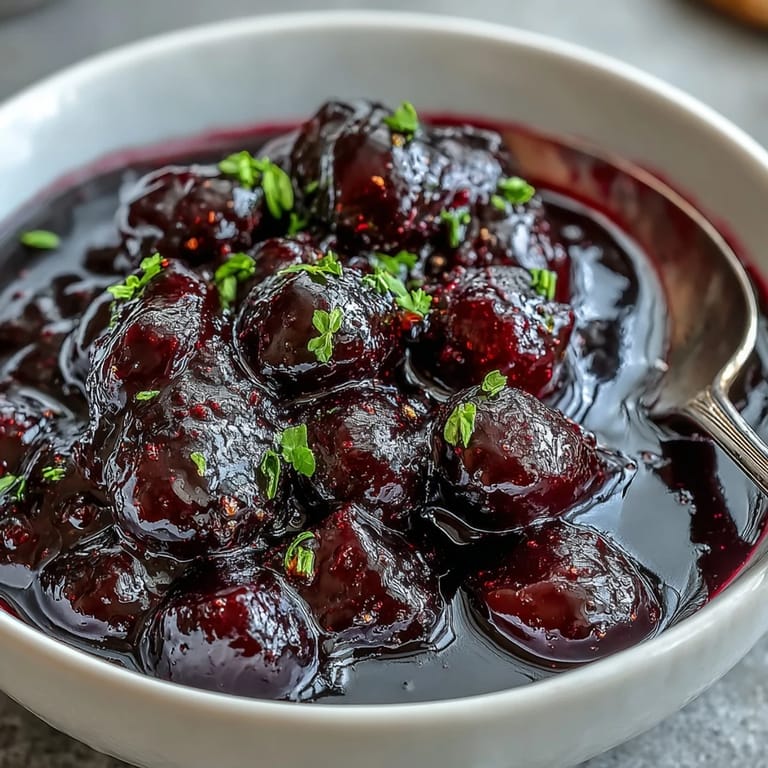
Save There was a moment last winter when I made this sauce for a small dinner party on a night when everything else had gone wrong—timing was off, a dish had oversalted, and I was questioning my ability to host anyone at all. When I poured this reduction onto the plate, suddenly the whole meal came together, and I remembered why I cook in the first place. Sometimes a sauce isn't just a sauce; it's a small moment of redemption.
When to Make This Ahead
One of my favorite aspects of this sauce is that it actually tastes better the next day—the flavors mellow and meld into something even more sophisticated. Make it in the morning, store it in a glass jar in the refrigerator, and simply reheat gently over low heat just before serving, adding a splash of water if it's thickened too much. This forward-thinking approach means you can focus on cooking your protein perfectly instead of juggling multiple pans at the last moment.
Variations Worth Trying
While the base recipe is nearly perfect as written, there are subtle ways to shift its personality depending on what you're serving it with. A splash of crème de cassis instead of some of the wine creates an almost liqueurish depth that's stunning with venison, while an extra teaspoon of balsamic vinegar adds sharpness that plays beautifully against fatty charcuterie. I've even experimented with a pinch of ground juniper or a whisper of Dijon mustard, each time discovering new dimensions to this already sophisticated sauce.
Pairing Perfection
This sauce was born for duck, but it genuinely shines across a surprising range of proteins and even some vegetables. I've drizzled it over roasted pork tenderloin, spooned it beside seared venison steaks, and even used it to dress a charcuterie board where it played off aged cheddar and prosciutto in unexpected ways. The key is matching richness with richness—save this for dishes with enough body to stand up to its bold, sophisticated flavor.
- Serve warm, but not piping hot, to let the fruit flavors sing without being muted by heat.
- A small spoonful goes a long way, so don't drown your plate in generosity.
- It keeps in the refrigerator for up to four days, making it your secret weapon for unexpected guests.
 Save
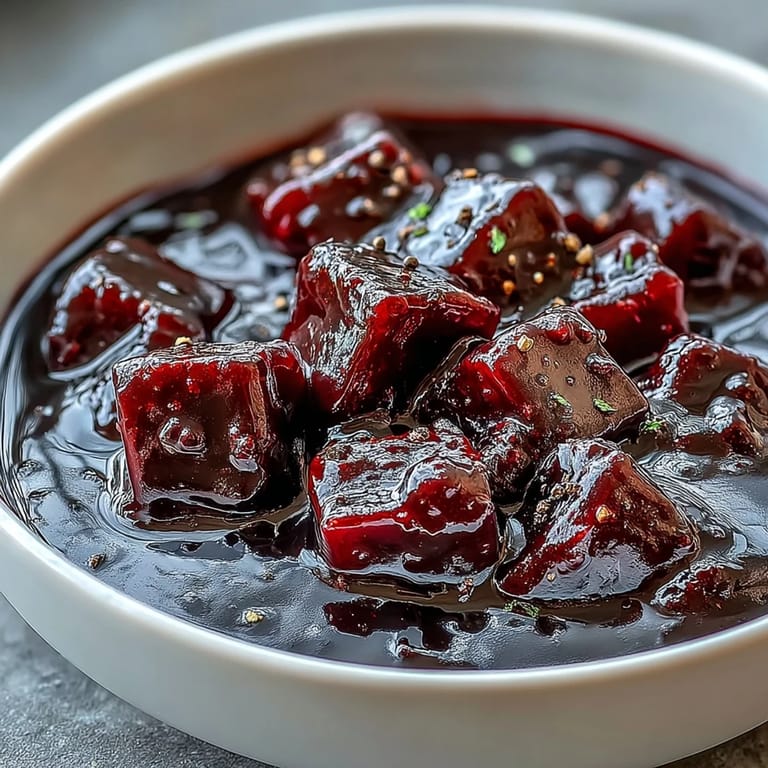
Save There's something deeply satisfying about mastering a single sauce that makes everything taste better. Once you've made this black currant reduction a few times, you'll find yourself reaching for it constantly, confident in your ability to create restaurant-quality elegance in your own kitchen.
Recipe FAQs
- → What meats pair best with this reduction?
This sauce complements rich, savory meats like roasted duck, pork tenderloin, venison, and lamb. It also enhances charcuterie boards and pâtés.
- → Can I use frozen black currants?
Yes, frozen currants work perfectly. Thaw them slightly before adding to the pan—they'll release their juices just as well as fresh ones during reduction.
- → How long can I store this sauce?
Keep refrigerated in an airtight container for up to 5 days. Gently reheat over low heat, whisking to restore consistency. The butter may separate—simply whisk while warming.
- → What can I substitute for red wine?
Try port wine for sweeter depth, grape juice mixed with extra vinegar for non-alcoholic version, or add crème de cassis alongside reduced wine for extra berry intensity.
- → Why strain the sauce before finishing?
Straining removes skins, seeds, and cooked aromatics for a silky, professional texture. Press firmly to extract all flavorful liquid before discarding solids.