 Save
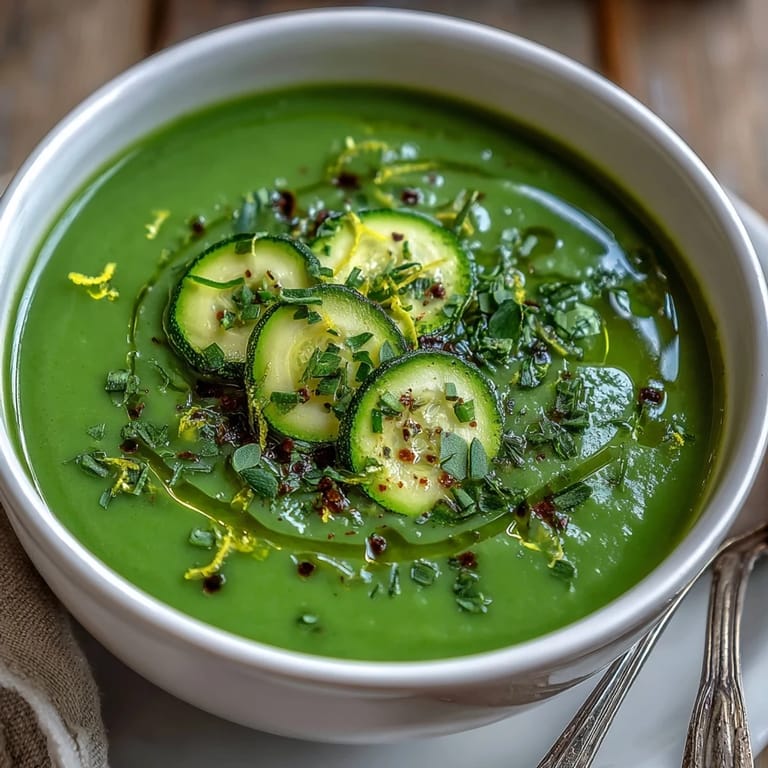
Save The first time I made zucchini soup was during a surprise summer squash surplus from my neighbor's garden. Standing in my kitchen, surrounded by a small mountain of glossy green zucchini, I remembered my grandmother's philosophy that the simplest preparations often highlight an ingredient's true character. The silky texture that emerged after blending those humble vegetables genuinely surprised me. What began as a practical solution to excess produce has become one of my most cherished summer traditions.
Last July, I brought a thermos of this chilled zucchini soup to an outdoor concert. As the music played and the evening cooled, I passed small cups around to friends who were initially skeptical about cold soup. Their surprised smiles as they tasted the bright, herbaceous flavors against the backdrop of violin notes floating through the air created one of those perfect summer memories. Even my friend who claims to hate zucchini asked for the recipe.
Ingredients
- Zucchini: The star of the show needs little preparation beyond a simple slice, and Ive found the smaller, younger ones offer the sweetest flavor without any bitterness.
- Potato: My secret texture agent that gives the soup body without heaviness, creating that silky mouthfeel without needing tons of cream.
- Fresh herbs: The combination of parsley, basil and thyme creates layers of flavor that make people wonder what your secret ingredient might be.
- Lemon zest: This bright note cuts through the natural sweetness of the vegetables and lifts the entire dish, becoming the difference between good soup and unforgettable soup.
Tired of Takeout? 🥡
Get 10 meals you can make faster than delivery arrives. Seriously.
One email. No spam. Unsubscribe anytime.
Instructions
- Build the flavor base:
- Heat your olive oil until it shimmers, then add the onion and celery, allowing them to soften and release their aromatics. Youll know youre on the right track when your kitchen fills with that sweet, savory smell.
- Bloom the garlic:
- Add minced garlic and cook just until fragrant, about 60 seconds. Be careful not to let it brown or it will turn bitter.
- Bring in the stars:
- Stir in your sliced zucchini and diced potato, coating them in the aromatics. This brief cooking before adding liquid helps develop deeper flavor notes.
- Simmer to tenderness:
- Pour in the vegetable broth, bring everything to a gentle boil, then reduce to a simmer. The vegetables should become completely tender but still maintain their bright color.
- Infuse with freshness:
- Off the heat, add your herbs and lemon zest to preserve their vibrant flavors. The residual heat will be enough to release their essential oils without dulling their brightness.
- Transform with blending:
- Use your immersion blender to create that silky smooth texture that makes this soup special. Watch the transformation from rustic vegetables to elegant puree happen right before your eyes.
- Enrich and season:
- Now stir in your cream or coconut milk if using, and adjust salt and pepper to taste. Tasting as you season is essential here.
- Serve with flair:
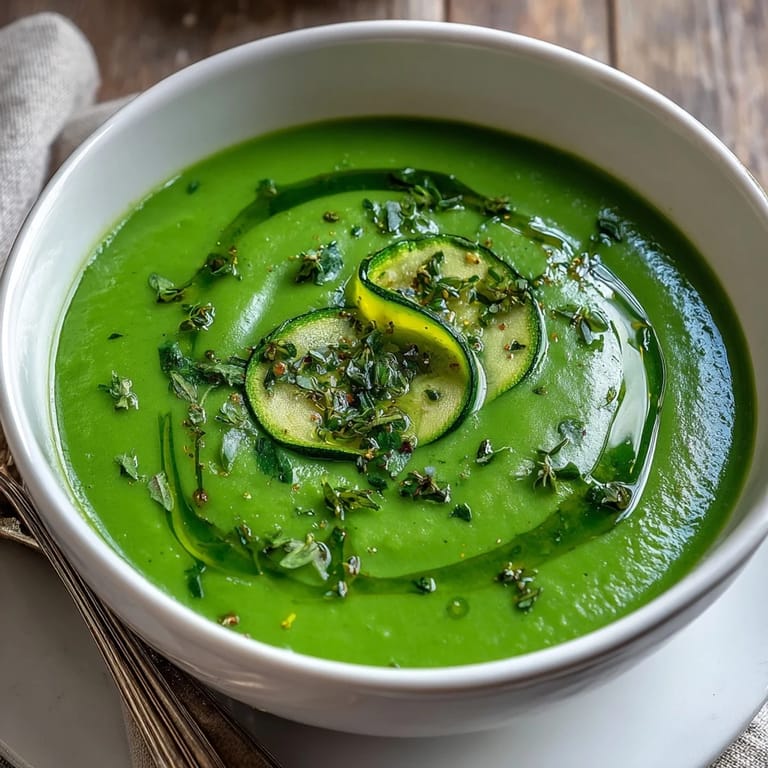
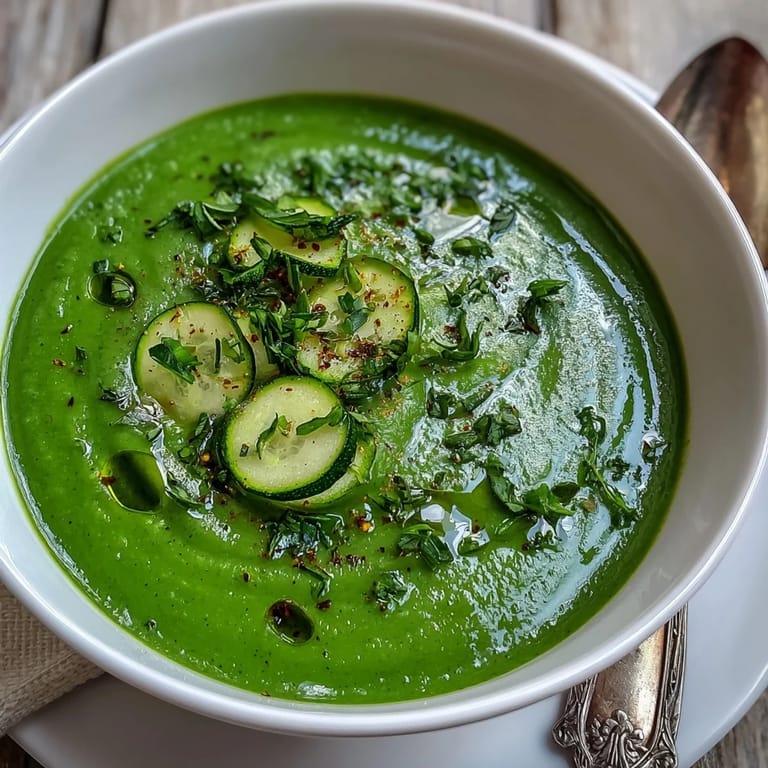
- Whether hot or chilled, finish each bowl with a drizzle of your best olive oil and a sprinkle of fresh herbs. These final touches make all the difference in presentation and flavor.
 Save
Save  Save
Save The soup became a lifesaver when my sister was recovering from dental surgery last year. Unable to chew solid food, she was growing tired of smoothies and puddings. Her eyes lit up when she tasted this zucchini soup, warm and nourishing but gentle enough for her situation. We sat together at her kitchen table, steam rising from our bowls, and for a moment, the discomfort of her recovery faded as we shared stories over something that brought actual pleasure back to her restricted diet.
Seasonal Variations
In early summer, I often make this with tender young zucchini and a handful of fresh peas for sweetness. By late summer, when the zucchini get larger, I scoop out the seedy centers and add a roasted red pepper for depth. Come fall, a pinch of nutmeg and a swirl of brown butter transform this into a transitional soup that bridges the seasons beautifully. The recipe grows with the garden, adapting to whatever vegetables are at their peak.
Serving Suggestions
Though perfect on its own, this soup creates a complete meal with simple accompaniments. A slice of grainy sourdough spread with salted butter, a small plate of marinated olives, or a simple green salad dressed with lemon vinaigrette all complement without competing. For dinner parties, I serve it in small cups as a starter before the main course, garnished with a tiny sprig of herbs and perhaps a few toasted pine nuts.
Storage and Make-Ahead Tips
This zucchini soup actually improves after a night in the refrigerator as the flavors meld and develop complexity. The bright green color will fade slightly but the taste becomes more nuanced and harmonious.
- Store in airtight containers in the refrigerator for up to 4 days, keeping the garnishes separate until serving.
- For freezing, leave out the cream or coconut milk and add it when reheating for the best texture.
- When reheating, do so gently over low heat to preserve the delicate flavors and prevent the dairy from separating.
 Save
Save 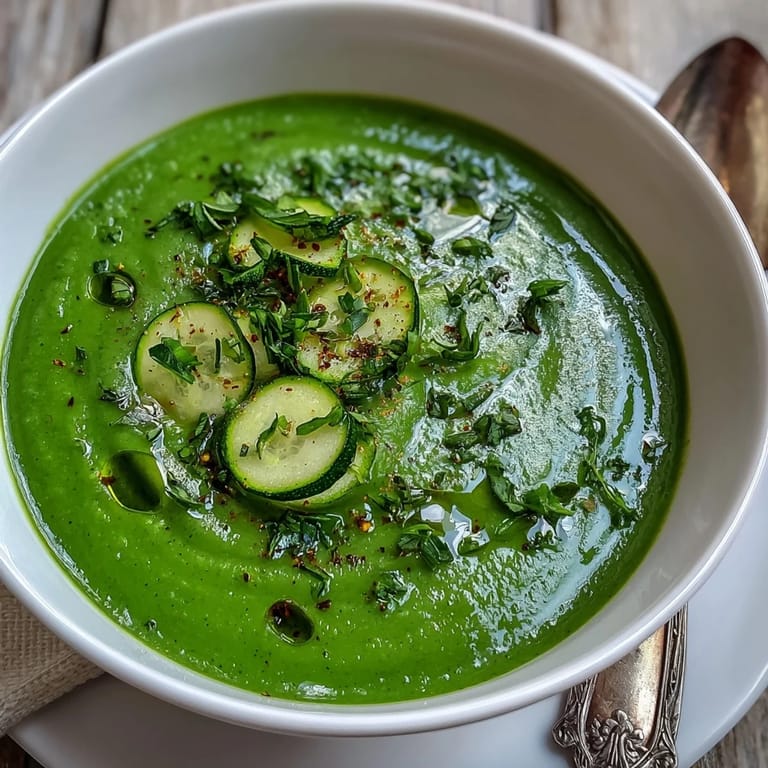 Save
Save This humble soup reminds me that good cooking isnt always about complexity or exotic ingredients. Sometimes its simply about treating simple ingredients with care and attention, allowing their natural qualities to shine.
Recipe FAQs
- → Can I serve this soup chilled?
Yes, this soup works beautifully chilled. Let it cool completely, then refrigerate for at least 2 hours. The flavors meld beautifully when cold, making it perfect for warm summer days.
- → How do I make it vegan?
Substitute coconut milk or a plant-based cream alternative for dairy cream. Ensure your vegetable broth is vegan-friendly. The result remains silky and satisfying without any animal products.
- → Can I freeze this soup?
Absolutely. Let the soup cool completely, then freeze in airtight containers for up to 3 months. Thaw overnight in the refrigerator and reheat gently. If adding cream, stir it in after reheating for best texture.
- → What can I substitute for potato?
Cauliflower or white beans work as excellent alternatives. Both provide the creamy body that potato offers while adding their own subtle flavors. Use about 1 cup cauliflower florets or ½ cup canned beans.
- → How do I get the smoothest texture?
Blend thoroughly with an immersion blender or high-speed blender. For extra-silky results, pass the blended soup through a fine-mesh sieve. This removes any fibrous bits for restaurant-quality smoothness.
- → Can I add protein to make it a meal?
White beans, lentils, or shredded chicken blend seamlessly. Stir in cooked cannellini beans before blending, or top with crispy pancetta bits and grated Parmesan for a heartier version.