 Save
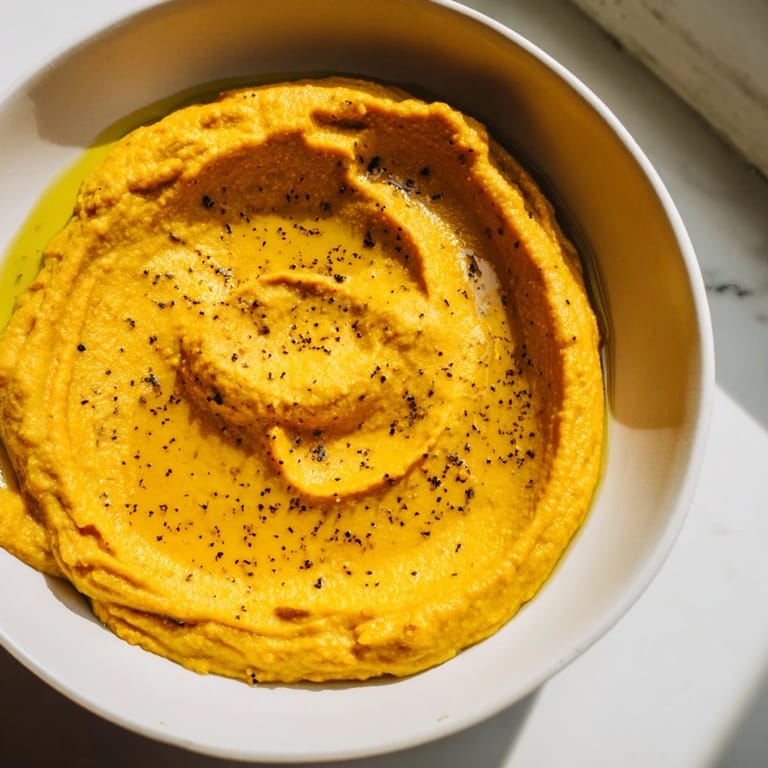
Save I discovered this curry paste by accident while trying to use up a half-empty can of chickpeas on a lazy Sunday afternoon. My friend had mentioned wanting something more interesting than hummus for her lunch boxes, and I thought, why not spin chickpeas in a different direction? That first batch came together in under ten minutes, and the smell of toasted spices hitting the blender made me stop and just breathe it in. It became the kind of thing I now make without measuring, just by feel and taste, but I'll walk you through exactly how to get it right the first time.
I brought this to a potluck last fall, served it with warm naan and some chopped vegetables, and watched people keep coming back to it like it held answers to life's questions. Someone asked if I'd bought it from a fancy deli, which felt like the highest compliment I could receive in that moment. It was the kind of simple dish that somehow makes you look like you know what you're doing in the kitchen, even though you've spent most of your afternoon scrolling through your phone.
Ingredients
- Chickpeas (1 can, drained and rinsed): These are the foundation, and rinsing them properly keeps the paste from turning gummy or dense, a lesson I learned after my first too-thick batch.
- Tahini (2 tbsp): This sesame paste adds richness and keeps everything creamy without needing dairy, and a little goes a long way in building depth.
- Fresh lemon juice (2 tbsp): The acid brightens everything and stops the spices from sitting heavy on your palate, so don't skip it or substitute with bottled.
- Garlic clove (1 small, minced): One small clove is enough to whisper garlic without screaming it, which keeps the paste subtle and balanced.
- Curry powder (1 tbsp): This is your flavor anchor, so choose a quality blend you actually enjoy tasting on its own.
- Ground cumin (½ tsp) and turmeric (¼ tsp): These warm spices give the paste its golden color and gentle earthiness that makes people ask what that mysterious flavor is.
- Cayenne pepper (¼ tsp, optional): Add this only if you want heat, and even then, taste before you blend it all in.
- Olive oil (3 tbsp): Use something you'd actually drizzle on bread, since it's tasted directly and becomes part of the personality here.
- Cold water (2–4 tbsp): This is your texture control, added slowly so you don't accidentally thin it into something that won't stay on a cracker.
- Salt and black pepper: Season as you go, tasting constantly, because everything tastes different before and after the spices really meld.
Tired of Takeout? 🥡
Get 10 meals you can make faster than delivery arrives. Seriously.
One email. No spam. Unsubscribe anytime.
Instructions
- Gather everything in one place:
- Have your food processor running and all ingredients measured before you start, because once you begin blending, you'll want to work quickly and adjust on the fly. This takes thirty seconds but prevents the fumbling that happens when you're halfway through.
- Combine and blend:
- Add the drained chickpeas, tahini, lemon juice, minced garlic, curry powder, cumin, turmeric, optional cayenne, olive oil, salt, and pepper to your food processor. Pulse first, then blend, scraping down the sides every few seconds until you reach a texture that looks smooth but still has a little weight to it.
- Add water gradually:
- Pour in cold water one tablespoon at a time while the blender is running, watching how the paste transforms from thick to spreadable. Stop as soon as it reaches the consistency you want, because you can always add more but you can't take it back.
- Taste and adjust:
- This is the moment you become the cook instead of following orders. Pinch some on your finger, taste it straight, and decide if it needs more salt, more lemon brightness, or deeper spice.
- Transfer and finish:
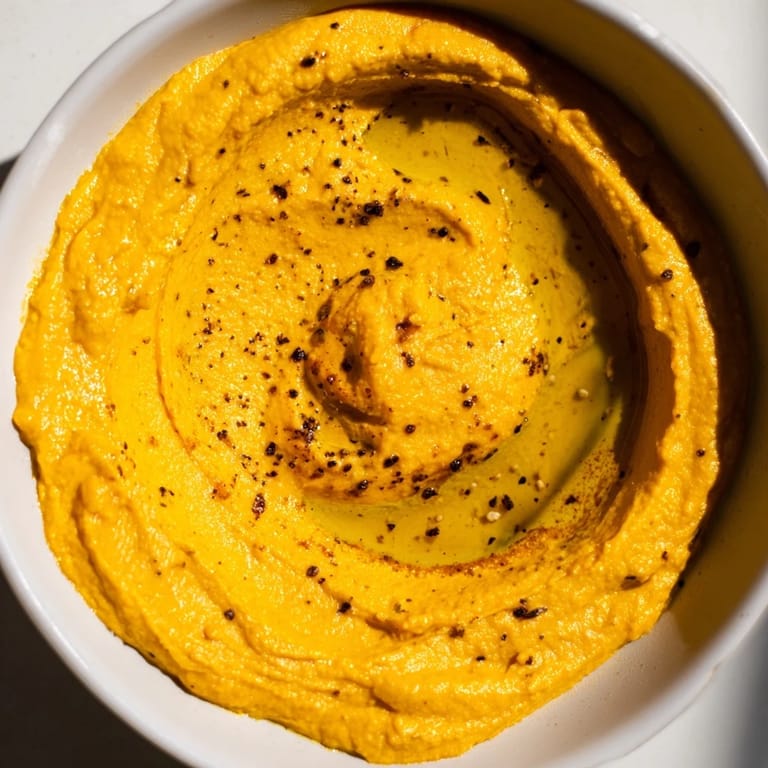
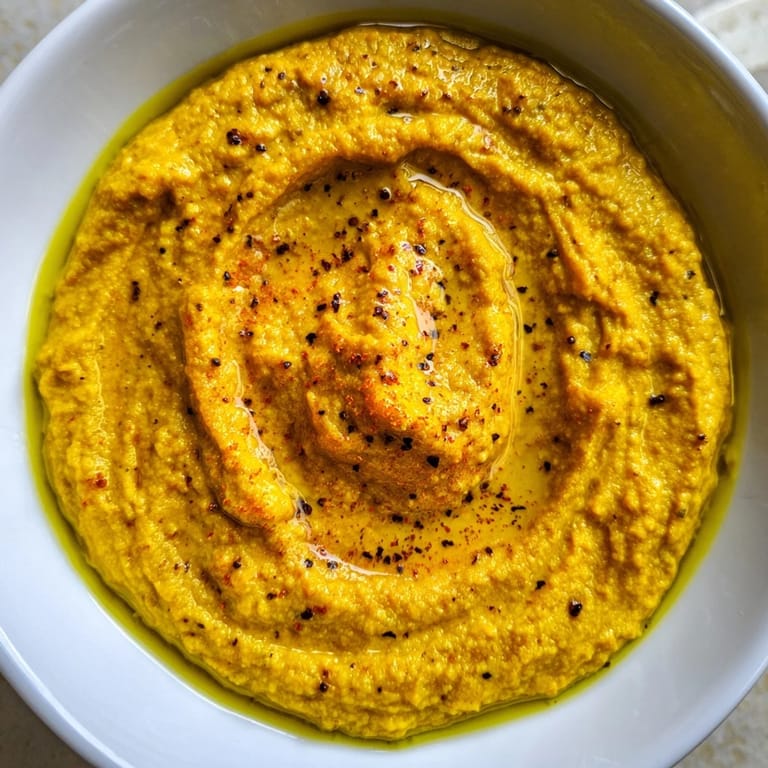
- Spoon the paste into a serving bowl, and if you want it to look intentional, drizzle a little extra olive oil on top and sprinkle with curry powder like you meant to do that. Serve immediately or cover and refrigerate for later.
 Save
Save My neighbor started using this as a sandwich spread and now she texts me when she's running low, which might be the sweetest kitchen compliment I've ever received. There's something about a recipe that solves actual problems in people's daily lives that makes all the testing and tweaking feel worthwhile.
What Makes This Different from Regular Hummus
Hummus is beautiful, but it plays it safe with tahini and garlic. This curry paste gets spicy, warm, and a little mysterious, which is why people always guess there's something special in it they can't quite name. The turmeric and cumin are quieter than aggressive curry powder, so the whole thing feels sophisticated rather than heavy-handed.
How to Serve It
I've found this works best when you give people options, because everyone discovers their own favorite way to eat it. Serve it as intended and watch what people reach for, then make notes for next time.
Storage and Make-Ahead
This paste keeps beautifully for five days in an airtight container, and it actually deepens in flavor as it sits, which means making it on Sunday for the week ahead is genuinely the move. The cold water will separate slightly on top if you're storing it, so just stir it back in before serving, and don't stress about it.
- Make it up to five days ahead and store in an airtight container in the coldest part of your fridge.
- Freeze it in ice cube trays if you want single-serving portions for later use, and it thaws beautifully in about an hour.
- If it dries out while stored, whisk in a tablespoon of cold water to bring it back to life.
 Save
Save This is the kind of recipe that lives in that perfect middle ground where it feels fancy enough to serve guests but easy enough that you'll actually make it for yourself. Once you've made it once, you'll find yourself craving it constantly and wondering how you ever lived without it.
Recipe FAQs
- → Can I make this paste ahead of time?
Yes, this paste keeps well in an airtight container in the refrigerator for up to 5 days. The flavors actually deepen after a day, making it even more delicious. Store it with a thin layer of olive oil on top to prevent browning.
- → What can I serve this with?
This paste pairs beautifully with warm pita bread, naan, crispy crackers, or fresh vegetable sticks like carrots, cucumbers, and bell peppers. It also works wonderfully as a sandwich spread or a creamy base for grain bowls.
- → How do I adjust the consistency?
Add cold water one tablespoon at a time while blending until you reach your preferred thickness. For a thinner consistency, add more water; for a thicker paste, reduce the water or add another tablespoon of tahini.
- → Is this suitable for people with allergies?
This paste is naturally vegan, dairy-free, and gluten-free. However, it contains sesame (from tahini), so it's not suitable for those with sesame allergies. Always check store-bought ingredient labels for potential hidden allergens.
- → How can I make it spicier?
Increase the cayenne pepper to ½ teaspoon or blend in a small fresh chili pepper during preparation. You can also stir in extra cayenne or a pinch of red pepper flakes after blending to control the heat level.
- → Can I use dried chickpeas instead of canned?
Yes, use about 1 cup of cooked dried chickpeas as a substitute. Cook them until tender, then cool slightly before blending. The texture and flavor will be virtually identical to using canned chickpeas.