 Save
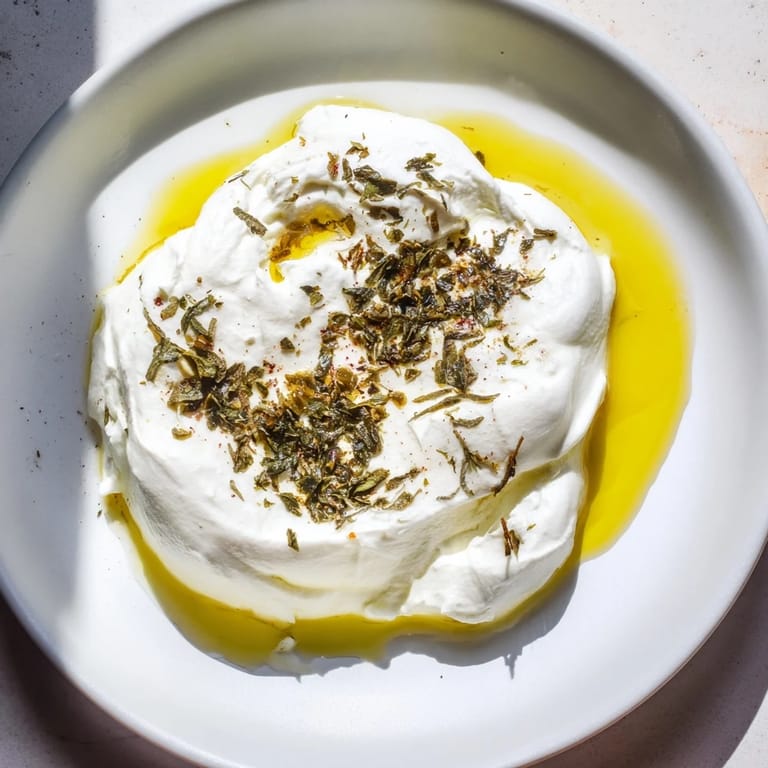
Save I stumbled into labneh by accident when I forgot a bowl of salted yogurt in the fridge, covered with a towel I'd meant to use for something else. Two days later, I lifted the cloth and found this impossibly thick, creamy spread that tasted like tangy clouds. I drizzled it with olive oil, tore into warm pita, and never looked back. Now I make it on purpose, usually on Sunday nights when I know I want something luxurious waiting for me midweek. It's become my quiet little kitchen ritual, the kind that asks almost nothing and gives everything.
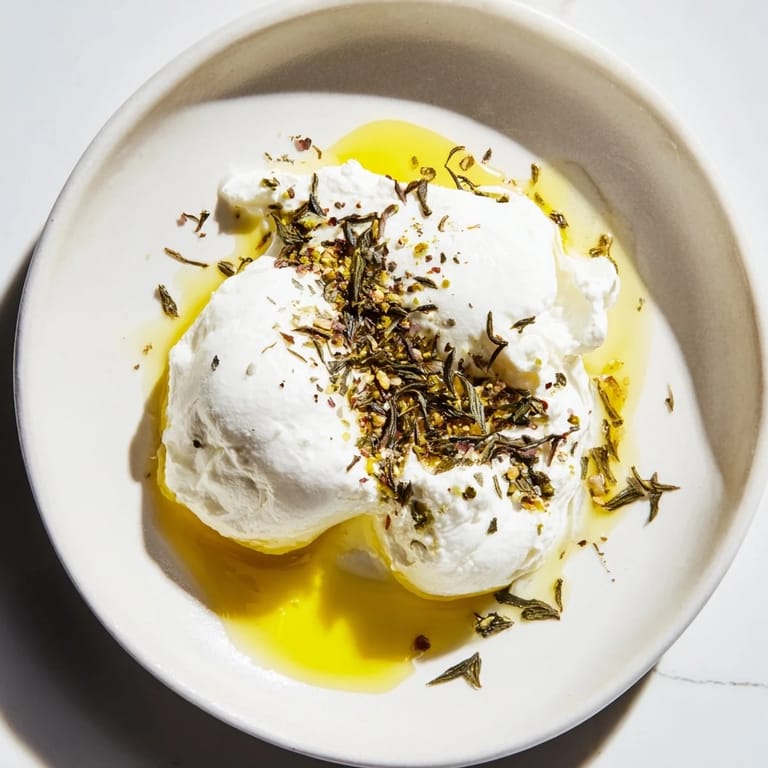
The first time I served this at a dinner party, I shaped the labneh into little balls and floated them in olive oil with crushed Aleppo pepper and thyme. My friend Nadia, who grew up eating her teta's version every Friday, closed her eyes after the first bite and said it tasted like home. I think about that moment every time I tie up the cheesecloth. Food doesn't need to be complicated to mean something.
Ingredients
- Full-fat plain yogurt: The backbone of labneh, go for Greek or a thick strained variety so you start with a head start on creaminess.
- Fine sea salt: Just enough to deepen the tang and help draw out the whey without tasting salty.
- Extra-virgin olive oil: This is not the place for bargain oil, use something grassy and golden that you'd happily dip bread into.
- Dried mint or zaatar: A sprinkle adds warmth and a whisper of the Levant, but it's lovely plain too.
- Aleppo pepper or sumac: Aleppo brings a fruity heat, sumac brings brightness, both are optional but memorable.
Tired of Takeout? 🥡
Get 10 meals you can make faster than delivery arrives. Seriously.
One email. No spam. Unsubscribe anytime.
Instructions
- Salt the yogurt:
- Stir the salt into the yogurt in a medium bowl until it disappears completely. This takes maybe thirty seconds and sets everything in motion.
- Prepare your straining setup:
- Line a large sieve or colander with two layers of cheesecloth or a clean, thin kitchen towel, then nestle it over a deep bowl. Make sure there's enough room underneath for the whey to pool without touching the bottom of the sieve.
- Transfer and cover:
- Spoon the salted yogurt into the cloth-lined sieve, then gather the edges of the cloth loosely over the top like you're tucking in a baby. Slide the whole setup into the fridge.
- Let time work:
- Leave it alone for 12 to 24 hours depending on how thick you want it. At 12 hours you'll have soft, spreadable labneh, at 24 you'll get something firm enough to roll into balls.
- Finish and serve:
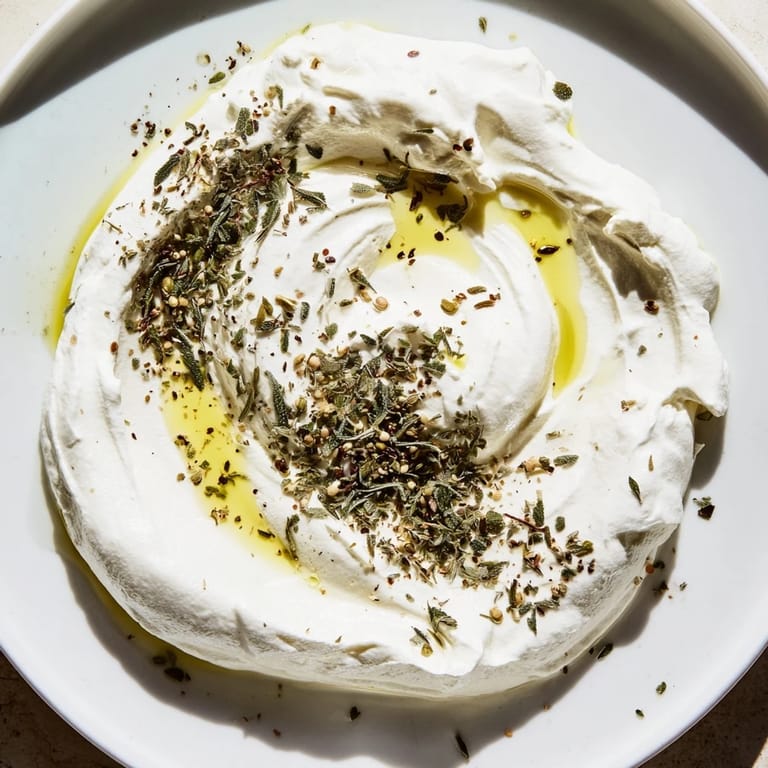
- Unwrap your labneh, transfer it to a shallow dish, and drizzle generously with olive oil. Scatter dried mint, zaatar, or sumac on top if you like, then serve it cold with warm pita or vegetables.
 Save
Save One morning I spread labneh on toast, added sliced cucumbers and a crack of black pepper, and realized I'd made myself the kind of breakfast that feels like care. It wasn't fancy, but it was exactly right. That's the magic of labneh, it meets you where you are.
How to Store Labneh
Keep it in an airtight container in the fridge for up to five days. If you've shaped it into balls, submerge them completely in olive oil with a sprig of thyme or a few peppercorns, they'll keep for two weeks and the oil becomes a delicious bonus for drizzling later.
What to Serve It With
Labneh loves warm pita, crunchy vegetables like radishes and carrots, briny olives, and ripe tomatoes. I've also smeared it inside a sandwich with roasted red peppers and it was revelatory. It's the kind of thing that makes everything around it taste better.
Variations and Flavor Ideas
You can fold in minced garlic and lemon zest before straining for a zesty version, or stir in finely chopped herbs like dill or parsley once it's thick. Some people add a pinch of cumin or coriander, others keep it pure and let the olive oil do the talking.
- For a vegan version, use a thick unsweetened plant-based yogurt, coconut or cashew work beautifully.
- Try rolling the balls in crushed pistachios, sesame seeds, or dried rose petals for a stunning mezze platter.
- If you want it sweeter, skip the salt and serve it with honey, fresh fruit, and granola for breakfast.
 Save
Save Labneh taught me that some of the best things happen when you step back and let time finish the job. I hope it becomes a little ritual in your kitchen too.
Recipe FAQs
- → What is labneh and how is it made?
Labneh is a creamy, tangy dairy spread made by straining full-fat yogurt to remove whey, resulting in a thicker texture.
- → How long does the straining process take?
Straining typically takes 12 to 24 hours, depending on the desired thickness—from soft spreadable to firm consistency.
- → Can I use plant-based yogurt for labneh?
Yes, thick plant-based yogurt can be strained similarly to create a vegan-friendly labneh alternative.
- → What are common garnishes for labneh?
Extra-virgin olive oil is drizzled on top, often complemented by dried mint, zaatar, or sumac for added flavor.
- → How should labneh be stored and served?
Store labneh refrigerated for up to five days. Serve chilled alongside pita bread, fresh vegetables, or as part of a mezze platter.
- → What kitchen tools are needed to make labneh?
A mixing bowl, cheesecloth or kitchen towel, a sieve or colander, and a deep bowl for catching whey are required.