 Save
Save The first time I tasted real merguez, it was sizzling on a street vendor's grill in the medina, the smoke carrying that distinctive blend of cumin, coriander, and something sharp and spicy that made my eyes water in the best way. I didn't know all the spices that made it sing until years later, when I decided to make it at home and discovered that this North African treasure isn't as mysterious as it seems—it just demands respect for its bold flavors and a willingness to get your hands properly dirty with good meat and aromatic spices.
I remember bringing homemade merguez to a dinner party and watching my friend bite into one, expecting the usual grocery store sausage blandness, then pausing mid-chew as the real flavors registered—the fennel, the cumin, that lingering heat from cayenne. She asked for the recipe that night, and now she makes them for her family's weekend grills, which felt like the highest compliment I could receive.
Ingredients
- Ground beef and lamb (500 g total): The combination gives you richness and depth that either meat alone can't achieve—beef provides body while lamb brings its own distinctive mineral sweetness.
- Harissa paste (2 tbsp): This is your foundation of heat and complexity; Tunisian harissa is earthier than some versions, so taste as you go and adjust if yours skews particularly fiery.
- Cumin, coriander, fennel, and caraway (1 tbsp each of the first two, 1 tsp each of the others): These aren't filler spices—they're the heart of the flavor, so use whole seeds if you can grind them yourself for noticeably fresher taste.
- Smoked paprika and cayenne (1 tsp each): The paprika adds warmth and a subtle smokiness that suggests time on the grill, while cayenne delivers the final kick that should make you pause and respect what you're eating.
- Fresh cilantro and parsley (2 tbsp each): Don't skip these or substitute dried herbs—the brightness cuts through the richness and prevents the sausages from feeling heavy.
- Sausage casings (optional): Natural casings give you that satisfying snap when you bite into them, but forming patties works beautifully if you'd rather skip the extra step.
Tired of Takeout? 🥡
Get 10 meals you can make faster than delivery arrives. Seriously.
One email. No spam. Unsubscribe anytime.
Instructions
- Combine your meats and aromatics:
- Throw the beef and lamb into a bowl together, then add garlic, harissa, and all those spices at once. Mix with your hands until everything looks evenly coated and the color shifts from brown to a deeper, more uniform shade—this takes longer than you'd think, maybe two to three minutes of proper mixing.
- Add the brightness:
- Fold in the cilantro and parsley, then add cold water a little at a time while mixing until the whole thing becomes distinctly sticky and cohesive. This is the texture you want—not dry, not soupy.
- Fill or shape:
- If using casings, fit them onto your stuffer or piping bag and fill slowly, twisting into links about 5 to 6 inches long. If going casing-free, wet your hands slightly and form the mixture into sausage-shaped logs, then refrigerate for 30 minutes so they firm up enough to handle on the grill.
- Get your grill ready:
- Heat your grill or grill pan over medium-high heat until a drop of water sizzles immediately on contact. You want it hot enough to get color and cook through in about 10 minutes.
- Grill with attention:
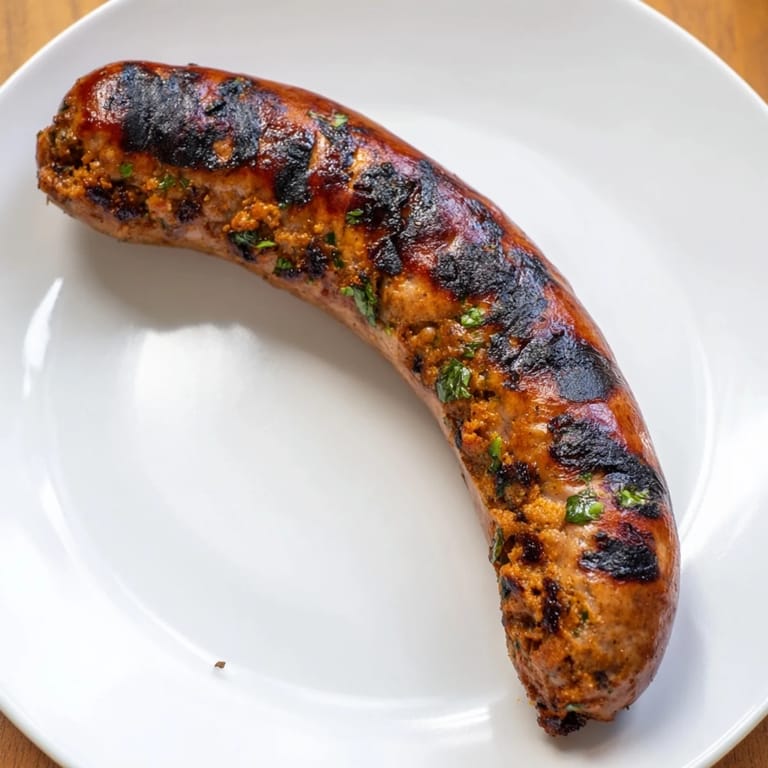
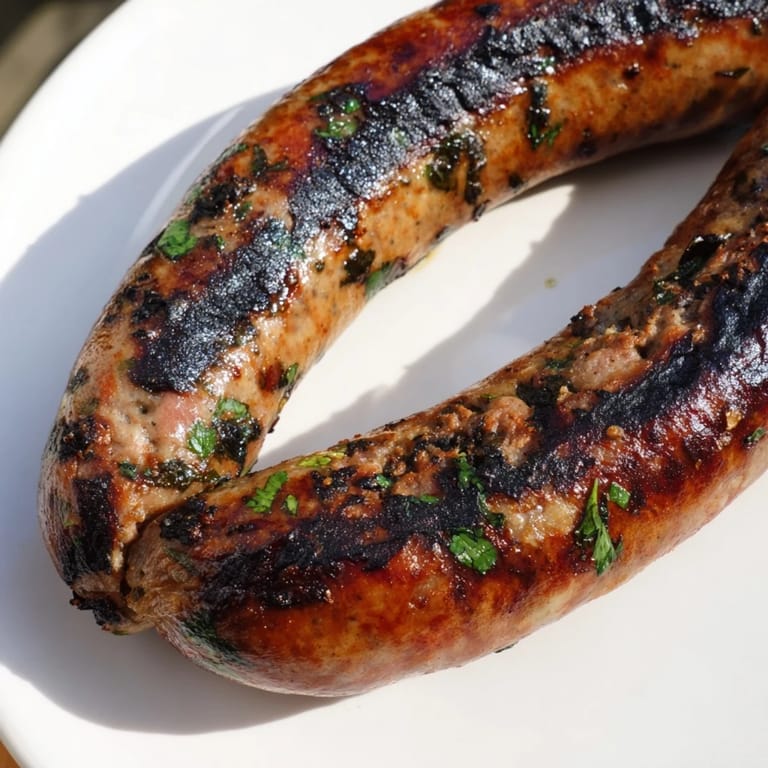
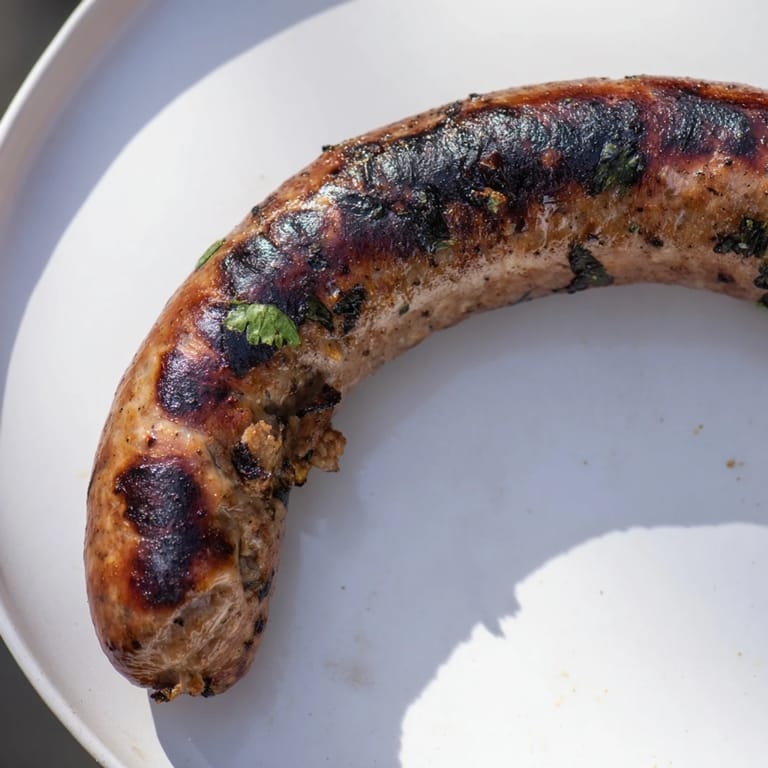
- Lay the sausages on the grill and resist the urge to immediately move them—let them sit for a minute or two until they develop a deep brown exterior. Turn occasionally and keep an eye out for flare-ups from rendered fat, which will happen and is part of the show.
 Save
Save There's a moment when you're standing at the grill, watching merguez cook, that the aroma hits you all at once—smoke mixing with cumin and coriander and that unmistakable harissa heat—and you realize why this sausage has survived centuries and traveled across continents. It stops being just dinner and becomes something that connects you to a whole culinary tradition.
The Right Way to Serve Them
Merguez isn't meant to be eaten alone on a plate like a piece of grilled chicken. Warm flatbread, a good crusty baguette, or a bed of fluffy couscous transforms them from sausage into a complete experience that feels both casual and special. I've served them alongside a simple cucumber and tomato salad dressed with olive oil and lemon, which cuts through the richness perfectly and lets the spices shine even brighter.
Making Them Your Own
The beauty of merguez is that while the basic spice formula is traditional, there's room for your own preferences. If harissa isn't available or you prefer milder heat, you can use tomato paste and extra paprika instead. Some people add a touch of red wine or even a beaten egg to change the texture slightly. I once replaced half the cayenne with Aleppo pepper for a sausage that was complex rather than aggressively hot, and it became the version I make most often.
Storage and Make-Ahead Tips
Merguez keeps well in the refrigerator for three days and actually tastes slightly better the next day once the spices have mellowed and melded together. You can also freeze the shaped sausages for up to two months—just thaw them overnight before grilling. I like to make a batch on Sunday and grill them throughout the week for quick dinners or to toss into couscous grain bowls.
- Form the meat mixture the day before if you're skipping casings, as overnight refrigeration makes them even easier to handle.
- If using casings, stuff them in advance and refrigerate until you're ready to grill, which actually improves the final texture.
- Leftover grilled merguez reheats beautifully in a pan with a splash of water, taking just a few minutes to warm through without drying out.
 Save
Save Making merguez at home transforms what could be just another grilled sausage into something that tastes like a small adventure in your own kitchen. The first batch you make will teach you what you like, and from there it's just tweaking and enjoying.
Recipe FAQs
- → What type of meat is best for Merguez?
A mix of ground beef and lamb balances richness and texture, providing authentic flavor for North African-style Merguez.
- → Can I make Merguez without sausage casings?
Yes, simply shape the spiced mixture into patties or logs and refrigerate to hold shape before grilling.
- → How spicy is the Merguez sausage?
Harissa paste and cayenne pepper bring moderate heat, which can be adjusted to taste for mild or bold spiciness.
- → What cooking method works best for Merguez?
Grilling over medium-high heat gives the sausages a smoky char and juicy interior, enhancing the aromatic spices.
- → What dishes pair well with Merguez?
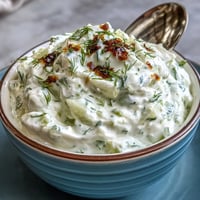
Merguez complements couscous, fresh salads, flatbreads, and bold red wines like Syrah, or cooling mint yogurt sauces.