 Save
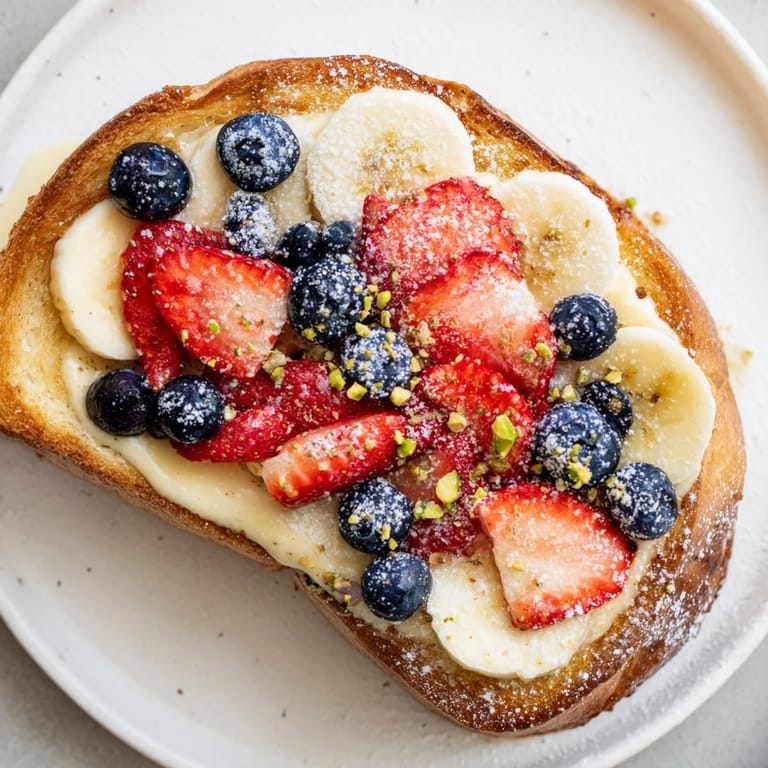
Save There's something about a baked yogurt toast that caught me completely off guard one Sunday morning when I was scrolling through my phone during coffee and stumbled on this viral trend. I was skeptical at first—yogurt on toast sounded oddly trendy, the kind of thing that would disappear in two weeks. But I made it anyway, mostly because I had all the ingredients sitting in my fridge and nowhere to be. The moment it came out of the oven, golden and bubbling slightly at the edges, with the custard just set but still creamy, I understood why people were losing their minds over it.
I brought this to brunch at my friend Emma's place one Saturday, and watching her face when she took that first bite was worth all the fussing with creating little wells in the bread. She asked if I'd ordered it from some fancy bakery, which honestly made my day. Now she texts me every couple of weeks asking if I'm making it again.
Ingredients
- Thick-cut bread (brioche or challah): The sturdier the bread, the better it holds the custard without falling apart—I learned this the hard way when I tried it with regular sandwich bread and ended up with a soggy mess.
- Greek yogurt: Plain works perfectly, but vanilla adds a subtle sweetness that reduces how much honey you need to drizzle later.
- Egg: This is what transforms the yogurt into a custard when baked; it's the difference between yogurt toast and actual baked magic.
- Honey or maple syrup: Use whichever one you reach for first—both caramelize beautifully and add depth that plain sweetener doesn't.
- Vanilla extract: Pure vanilla is worth the small splurge; the artificial stuff tastes thin against the richness of the custard.
- Fresh fruit: Strawberries, blueberries, and banana are the classic trio, but raspberries and peaches work wonderfully if that's what you have.
- Powdered sugar and nuts: Both optional, but the nuts add a textural contrast that makes each bite more interesting.
Tired of Takeout? 🥡
Get 10 meals you can make faster than delivery arrives. Seriously.
One email. No spam. Unsubscribe anytime.
Instructions
- Preheat and prepare:
- Set your oven to 375°F and line a baking sheet with parchment paper—this prevents any sticking and makes cleanup almost zero.
- Create the wells:
- Arrange your bread slices on the sheet and use the back of a spoon to gently press down the center of each slice, leaving the edges standing. Don't press too hard or you'll crack the bread; you're just creating a shallow bowl to hold the custard.
- Mix the custard:
- Whisk together the Greek yogurt, egg, honey, and vanilla until completely smooth and creamy with no lumps. This usually takes about a minute of steady whisking.
- Fill and top:
- Spoon the custard evenly into each bread well, then arrange your sliced fruit on top in whatever pattern feels right. The fruit will release a little juice as it bakes, which mingles with the custard beautifully.
- Bake until set:
- Slide everything into the oven for 12 to 15 minutes until the custard looks just set but still trembles slightly in the center when you give the pan a gentle shake. The bread edges should be turning golden brown.
- Cool and garnish:
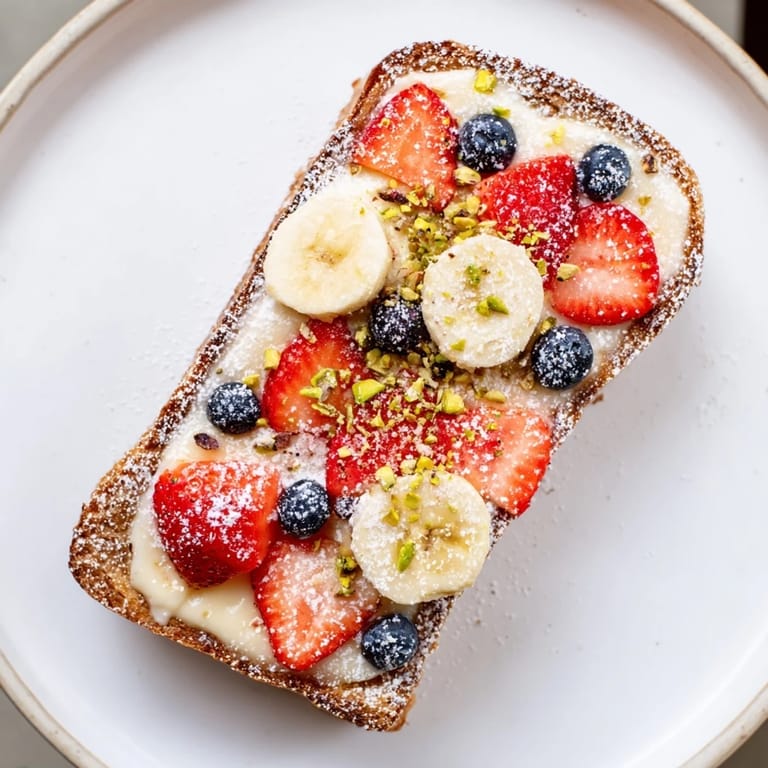
- Let it cool for a few minutes so the custard firms up just slightly, then dust with powdered sugar and scatter nuts over the top if using. Serve warm.
 Save
Save There's a moment when this dish stops being just breakfast and becomes something you crave—when you're already thinking about making it again before you've even finished eating. That's the feeling I chase every time I make it, and it never quite goes away.
Fruit Swaps That Work
Once you've made this a few times with strawberries and blueberries, you'll start noticing what else looks good at the market. Raspberries are delicate and sweet, peaches bring a soft luxury, and thin slices of mango add a tropical brightness. Even pomegranate seeds scattered on top add a pop of tartness that cuts through the creamy custard. The beauty of this recipe is that it adapts to the seasons without any other changes.
Making It Your Own
I've started experimenting with the flavors of the custard itself, adding a pinch of cardamom or a tiny splash of almond extract instead of just vanilla. Some mornings I use honey, other mornings maple syrup depending on my mood. You can also swap the Greek yogurt for a thicker, creamier yogurt if you find one you love, though the baking time might shift slightly.
Storage and Reheating
This is best the moment it comes out of the oven when the custard is still slightly warm and the bread is crispy at the edges. If you have leftovers, they'll keep in an airtight container in the refrigerator for a day, and you can warm them gently in a toaster oven to bring back some of that texture.
- Reheat at 300°F for about 5 minutes so the custard warms through without drying out.
- Don't use the microwave unless you enjoy rubbery custard—the toaster oven is worth the extra minute.
- Add fresh fruit after reheating if possible, so it doesn't get soft during the warming process.
 Save
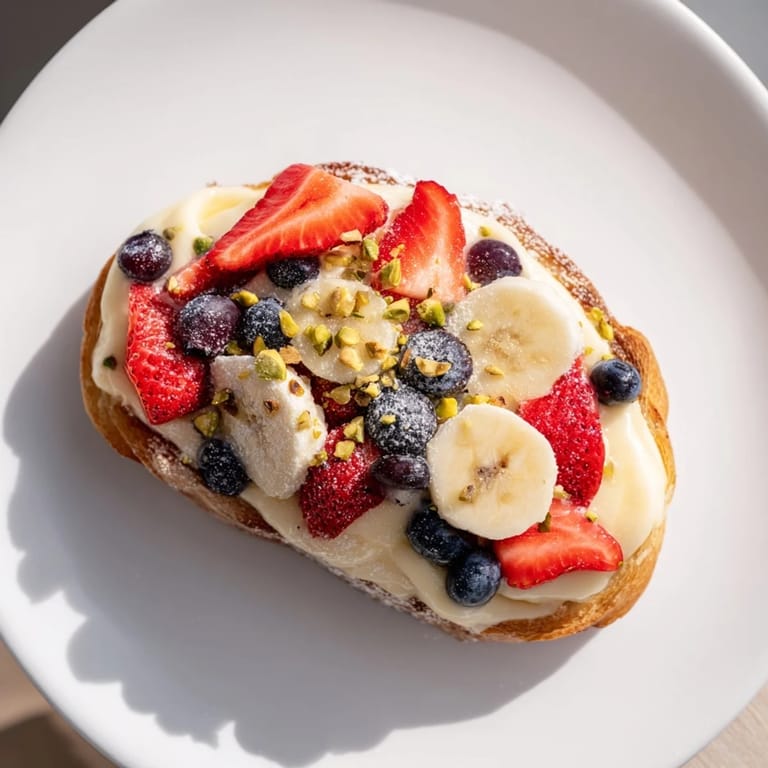
Save This recipe has become my go-to when I want to feel like I've made something special without actually stressing in the kitchen. That feeling of pulling something golden and perfect out of the oven is never old.